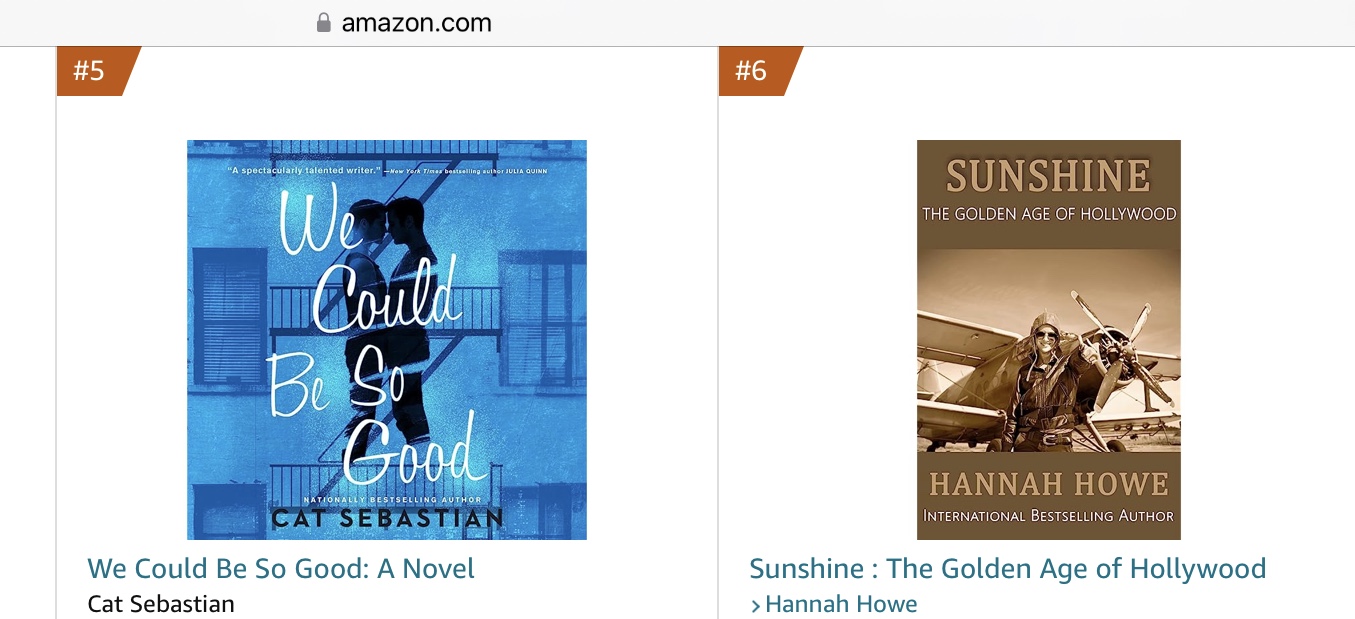
A week ago, we published the eBook version of Tula, book one in the Golden Age of Hollywood. It’s been an eventful week. Tula is currently #12 on Amazon’s genre charts while Sunshine, book two in the series and scheduled for publication next April, is #6. Once published, Amazon does not count Tula’s pre-orders in its chart positions, hence the discrepancy of book two being ahead of book one.
We have three translations in production: Afrikaans, Portuguese and Spanish, with more planned. We also have the audiobook version in production and the print version due next week, ready for sale and distribution to the main libraries in Wales, Ireland, England and Scotland, including the Bodleian Library.
So far, most of the sales have been in America, followed by Canada and Britain. This we anticipated. We are hoping to increase sales in other countries as we progress.
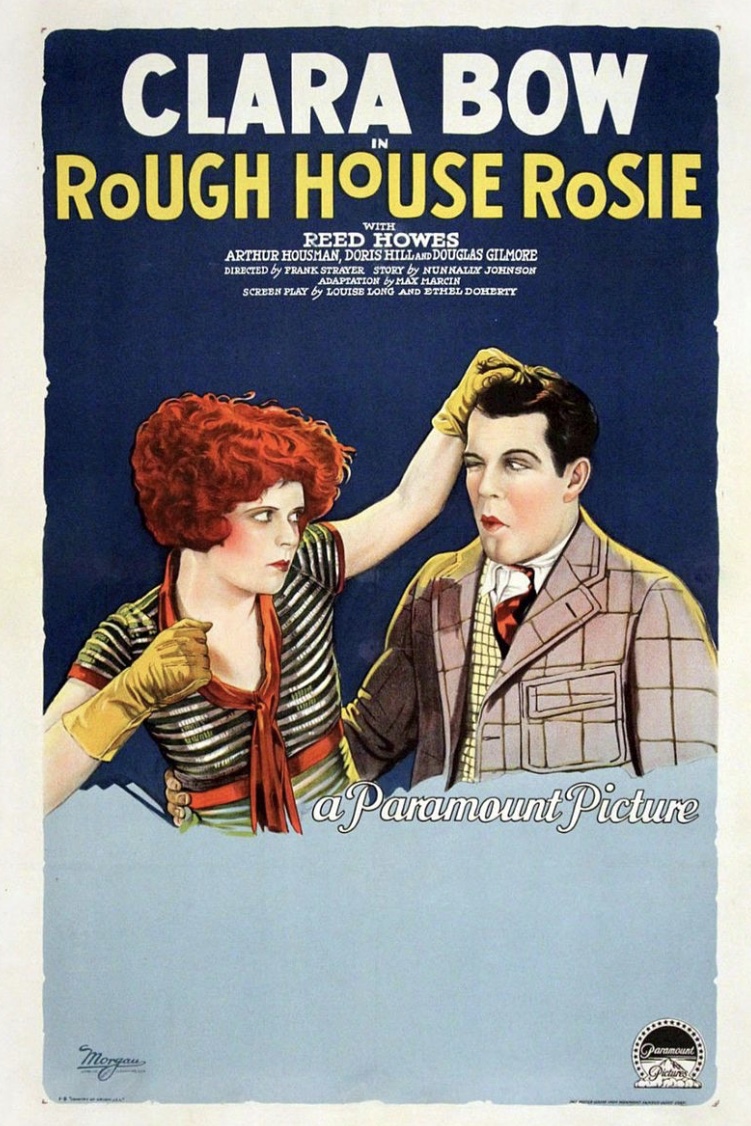
Clara Bow’s fortieth movie was Rough House Rosie, produced between January 24 and March 11, 1927, and released on May 14, 1927. Clara played Rosie O’Reilly. Sadly, this film is now considered lost.
At this stage, Clara was working from 6 am until midnight, six days a week. Exhausted, she collapsed and was granted a three month vacation.
Romantically, Clara was torn between director Victor Fleming and actor Gary Cooper. Fleming, much older than Clara, was a ‘father figure’, whereas Cooper, basically a shy man, was trapped under his mother’s thumb. Cooper and Clara were well suited, but in the complex world of Clara Bow their relationship faded, although I strongly suspect that their affection for each other lasted until her final day.
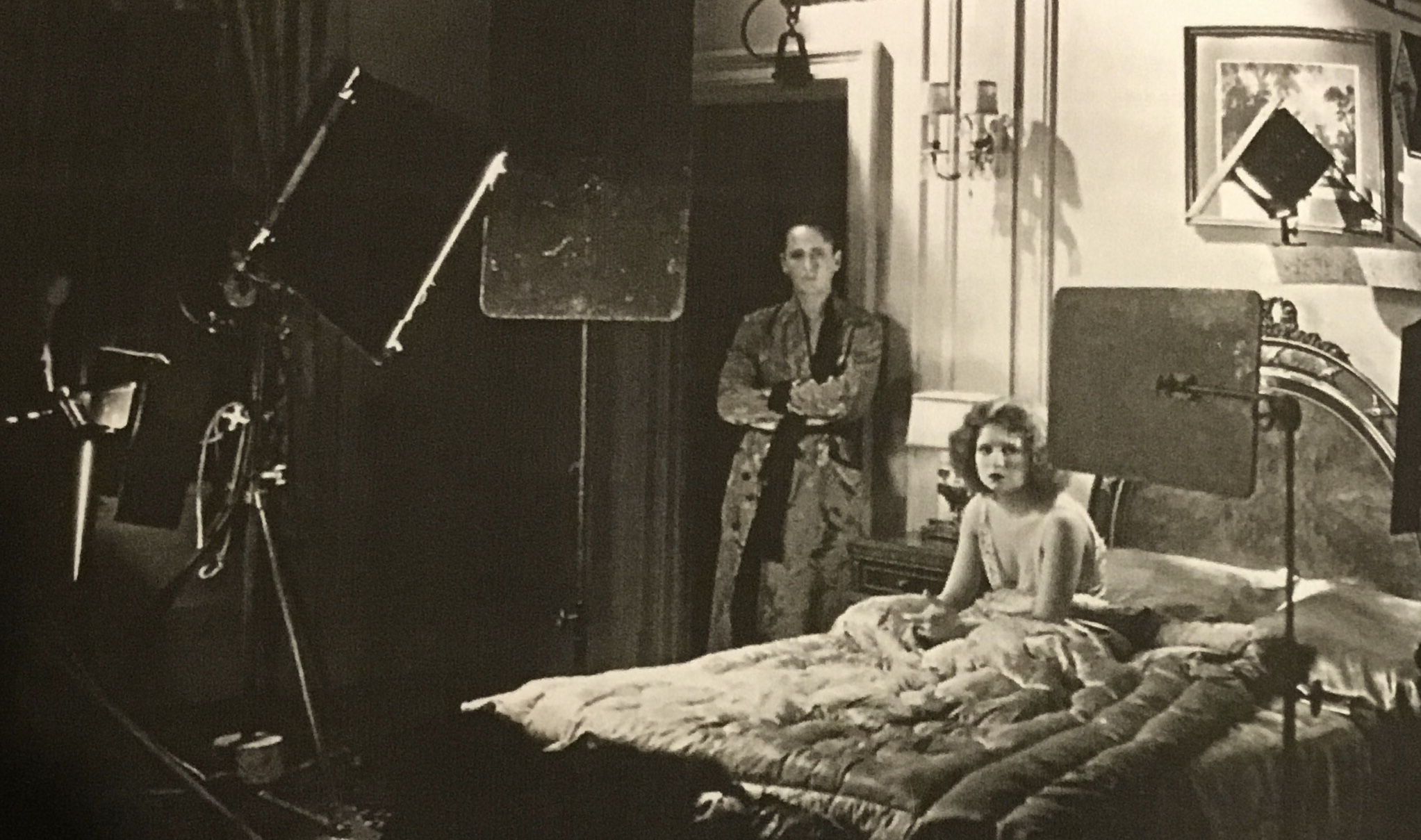
Setting up a scene for Clara Bow’s Call Her Savage (1932), one of her eleven talkies. She also made forty-six silent movies.
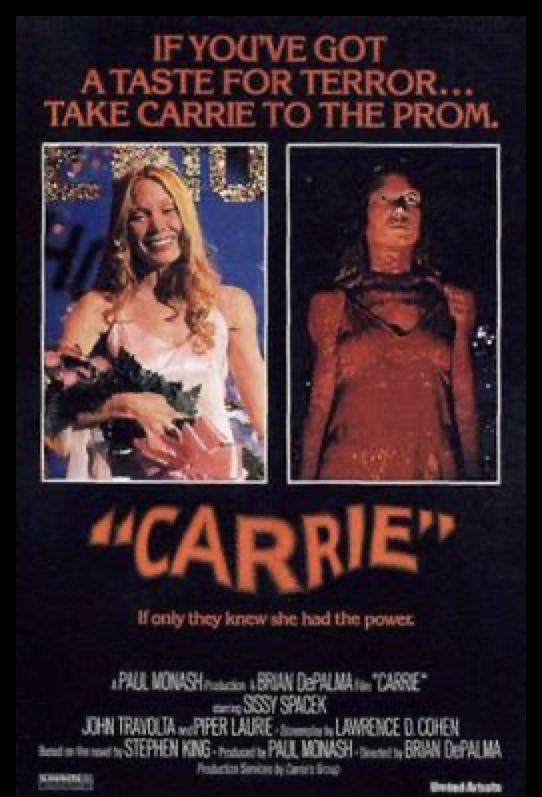
The Mastodon 1970s Mega Movie Poll, Second Round
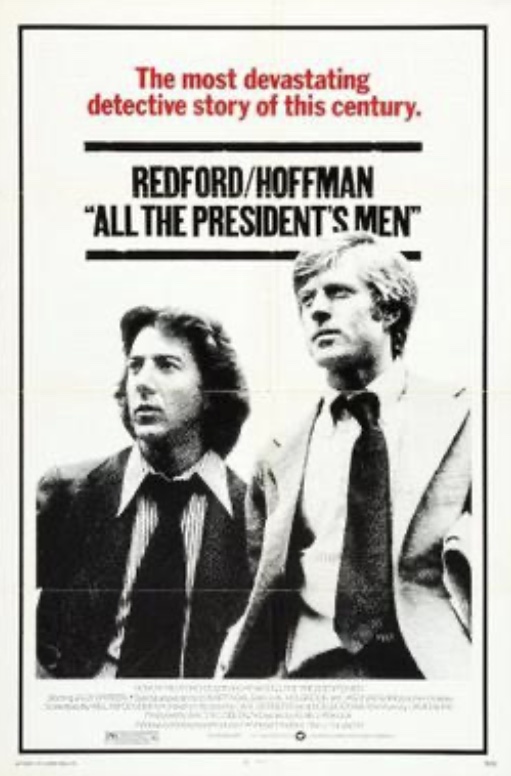
The Long Goodbye 30% v 70% All the President’s Men
Apocalypse Now 76% v 24% The China Syndrome
Taxi Driver 51% v 49% The Conversation
The Godfather 95% v 5% Twilight’s Last Gleaming
Last Sixteen
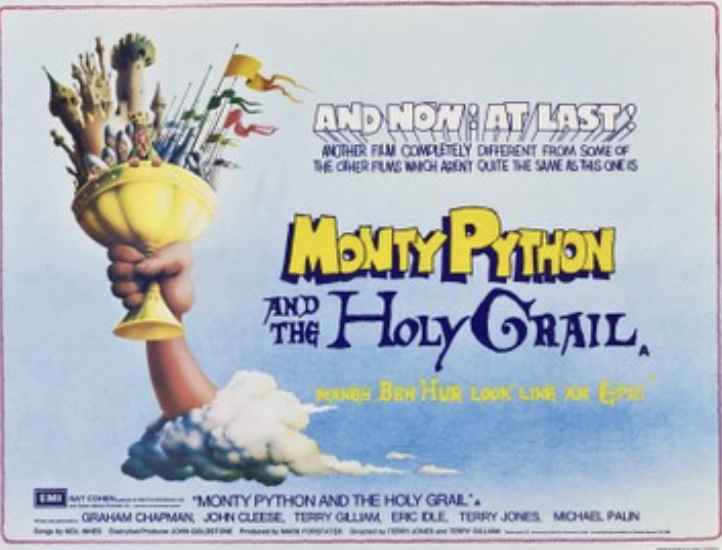
Monty Python and the Holy Grail 76% v 24% Network
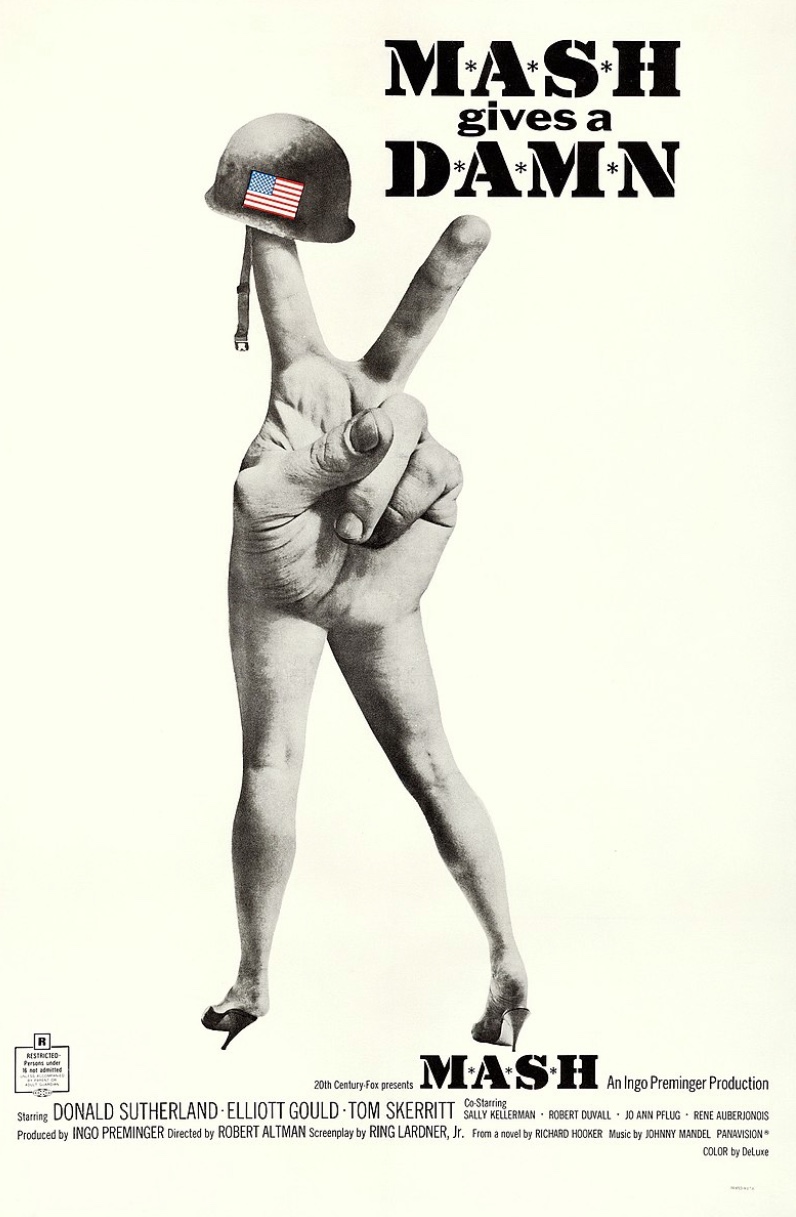
M*A*S*H 65% v 35% Willy Wonka and the Chocolate Factory
Clara Bow’s thirty-ninth movie was Children of Divorce, a silent romantic drama produced between November 26, 1926 and January 15, 1927, and released on April 2, 1927. Clara played Kitty Flanders, a young flapper. The movie co-starred one of Clara’s lovers, Gary Cooper, who she met a few months earlier during the filming of Wings.
Gary Cooper was very nervous on the set (one scene required twenty-three straight takes; he was fired, but Clara made sure that he was rehired). He was especially nervous during the love scenes with co-star Esther Ralston. This was ironic because he developed a reputation as one of Hollywood’s great lovers.
Clara’s character died in this movie. Director Victor Fleming said, “Clara Bow’s death scene in Children of Divorce is the greatest ever done on the screen.”
At times, Clara Bow was ‘wild’ and ‘crazy’. She was also a great actress.
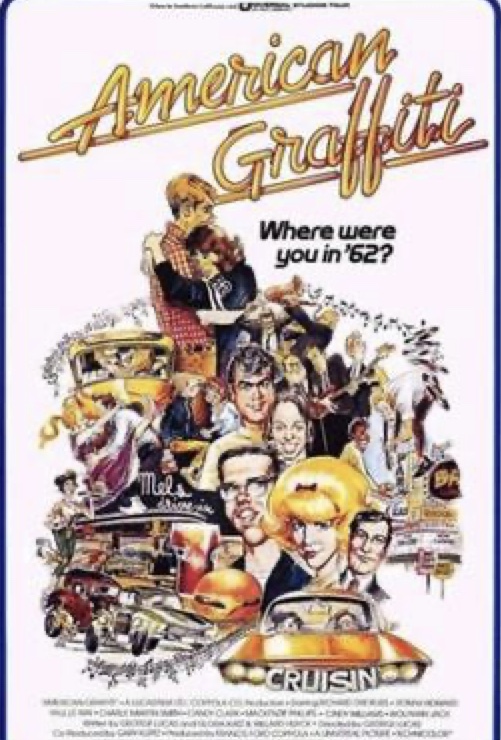
The Mastodon 1970s Mega Movie Poll, Second Round
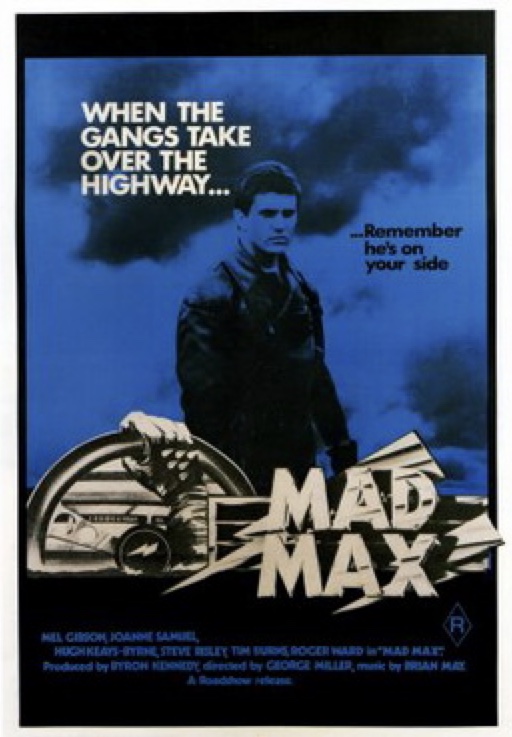
Mad Max 51% v 49% The French Connection
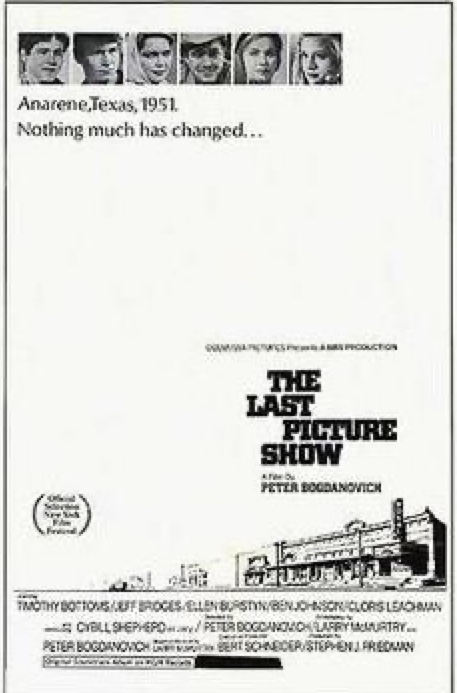
Jaws 71% v 29% The Last Picture Show
The Deer Hunter 68% v 32% Slaughterhouse-Five
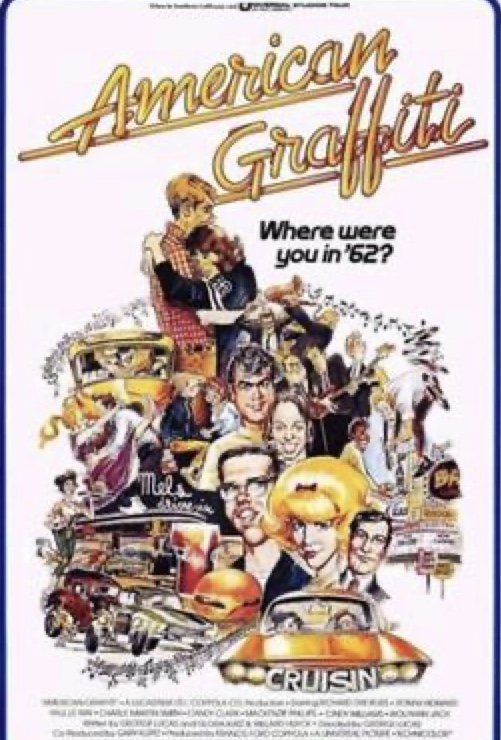
American Graffiti 32% v 68% A Clockwork Orange
Chinatown 65% v 35% The Taking of Pelham 123
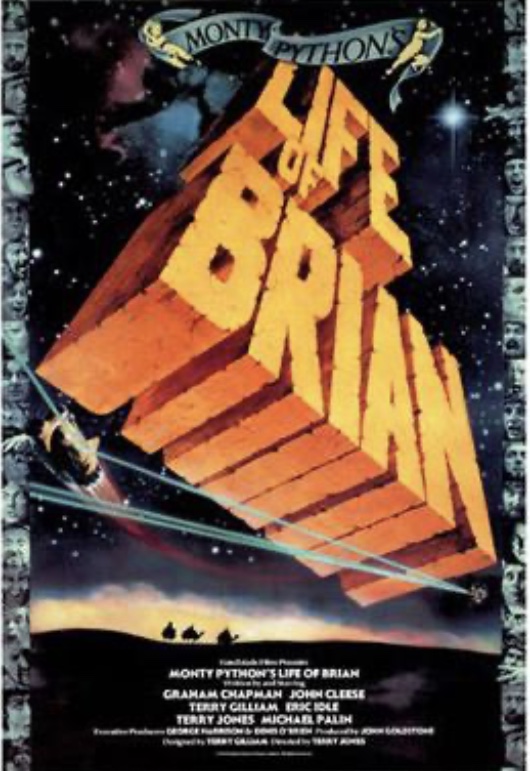
Monty Python’s Life of Brian 71% v 29% The Sting
Willy Wonka and the Chocolate Factory 53% v 47% Dog Day Afternoon
My latest movie article for the Seaside News can be found on page 40 of the magazine.
I’m outlining a novel set in 1918 and the Hero was proving elusive. So, I asked my youngest son, who has a deep knowledge of WW1, how could a soldier leave the war, alive, before its conclusion? There are several answers, of course, but he said “desertion” and the Hero, and the conclusion of the book, came to life. The working title is The Ninety-Three (the initial idea arrived when I thought, what if you turn everything about The Thirty-Nine Steps around?)
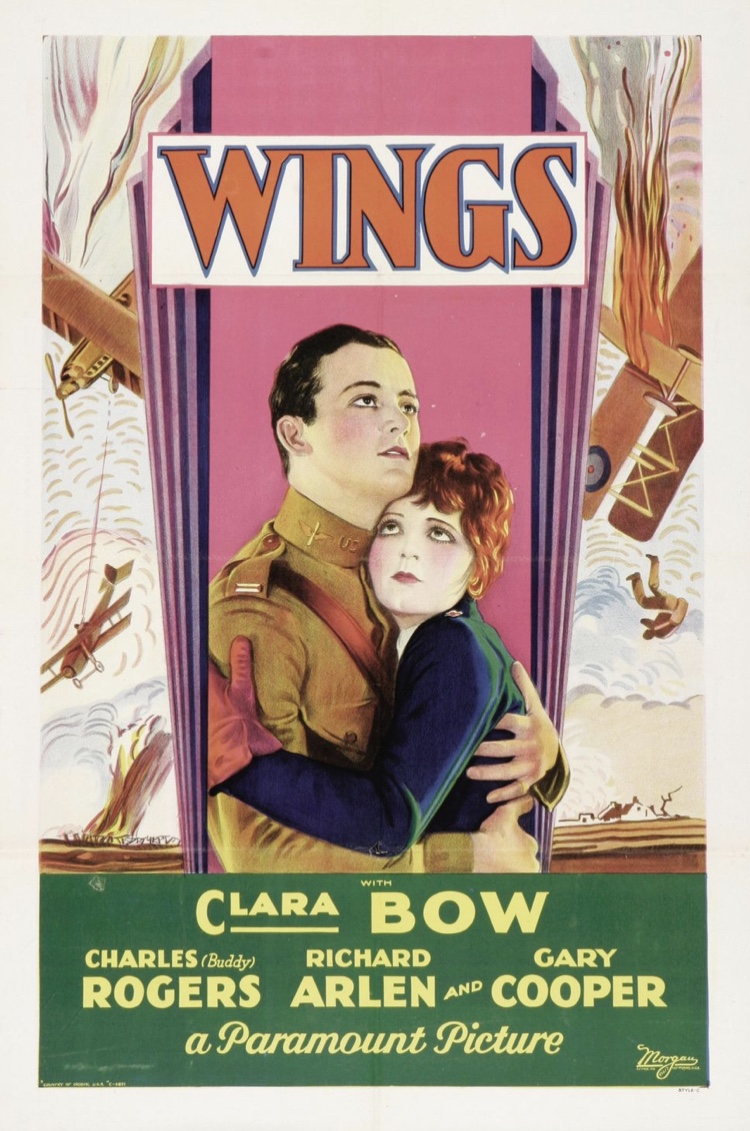
In terms of production, Clara Bow’s thirty-seventh movie was Wings, September 7, 1926 – April 7, 1927. General release, January 5, 1929. Clara played Mary Preston.
Wings was a homage to First World War fighter pilots. As Clara rightly observed, it was a buddy movie and she was only added to the cast because she was red hot at the box office. Clara’s appearance guaranteed that the movie would be a success. Furthermore, the quality of the film, and the amazing stunt flying, ensured that Wings won the first ever Academy Award for Best Picture.
Born Mary Ann Howe on 2 September 1879, but known in the family as Auntie Ann, my great grandaunt lost a leg as a child. Apparently, she fell out of a tree. Family legend states that the surgeon removed her leg, which presumably had become infected, on the kitchen table. This legend stems from Auntie Ann’s sister, Edith who, being present, is obviously a good source.
Auntie Ann kept house for her brother, Evan, a limestone quarryman. She had a penchant for snuff and used to take a pinch whenever she visited Edith. She lived in Lilac Cottage, pictured, a building that did not have indoor running water. She would gather her water from a pump in the garden.
A dressmaker, and due to the family allotment largely self-sufficient, Auntie Ann made her own lemonade. One day, her still exploded, showering her kitchen with lemonade. She had a number of idiosyncrasies including a refusal to handle copper coins. Consequently, she insisted on paying tradesmen in ten shilling or pound notes. Maybe she told them to keep the change?
With her crutch under her arm, Auntie Ann remained mobile well into her eighties. She died on 3 April 1966 aged eighty-six with her sister Edith and brother Evan at her side.
***
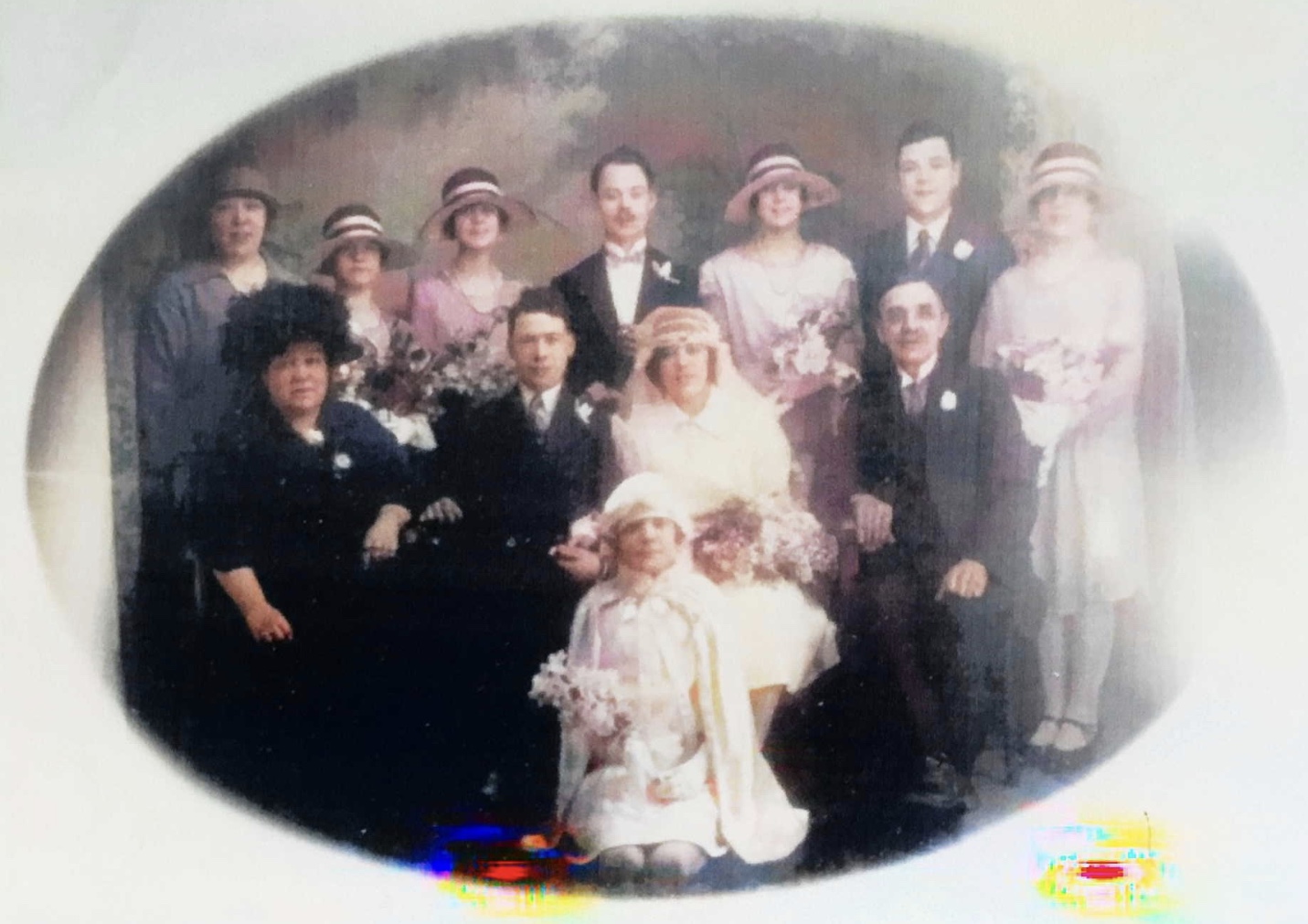
A wedding in London, 20 February 1927. My 2 x great grandmother Jane Dent is seated on the left and her husband, my 2 x great grandfather William Stokes, is seated on the right. The bride is their daughter Louisa Elizabeth Stokes. William was a master carpenter while Jane was a teenager in Whitechapel during the terror of Jack the Ripper.
Colourised, hence the flashes on the bottom.
The Mastodon 1970s Mega Movie Poll Round One Continued
Apocalypse Now 67% v 33% Silent Running
The Last Picture Show 73% v 27% A Woman Under the Influence
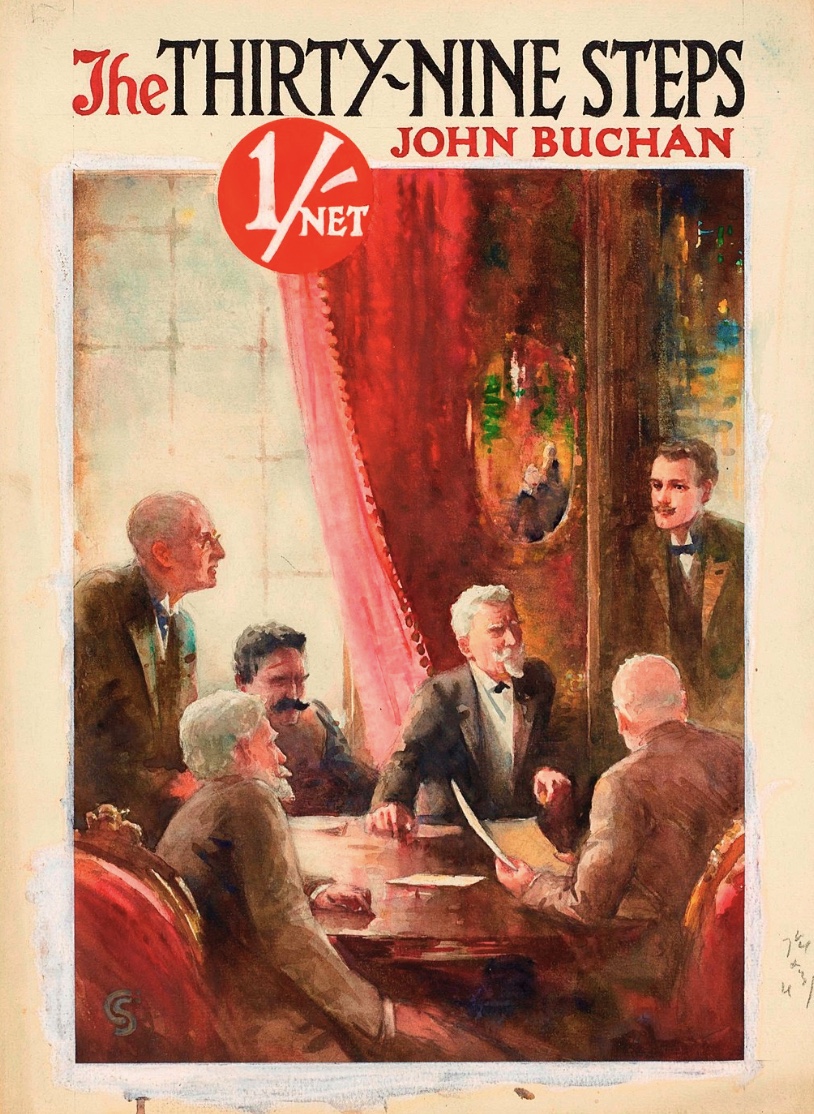
The Thirty-Nine Steps by John Buchan first appeared as a serial in All-Story Weekly, (5 – 12 June 1915) and Blackwood’s Magazine (July – September 1915). The story was published as a novel in October 1915 by William Blackwood and Sons.
Note: some productions used ‘The Thirty-Nine Steps’ others ‘The 39 Steps’ as the title.
Along with three movie adaptations and eight BBC radio adaptations, there have been seven American radio adaptations including a 1937 version starring Robert Montgomery and Ida Lupino, a 1938 version starring Orson Welles, and a 1943 version starring Herbert Marshall, with Madeleine Carroll reprising her 1935 movie role.
I’m imagining myself as the producer of The Thirty-Nine Steps, mixing and matching the movies from the past. Who would I cast as Richard Hannay?
To start at the beginning…
Robert Donat’s performance was well-received at the time. C.A. Lejeune wrote in The Observer: “Mr. Donat, who has never been very well served in the cinema until now, suddenly blossoms out into a romantic comedian of no mean order. He possesses an easy confident humour that has always been regarded as the perquisite of the American male star.”
I’m not sure that John Buchan perceived his story as a comedy, but Alfred Hitchcock and other directors emphasised that angle. That said, I reckon that Robert Donat made a convincing Hannay and I would place him in my final two for the part.
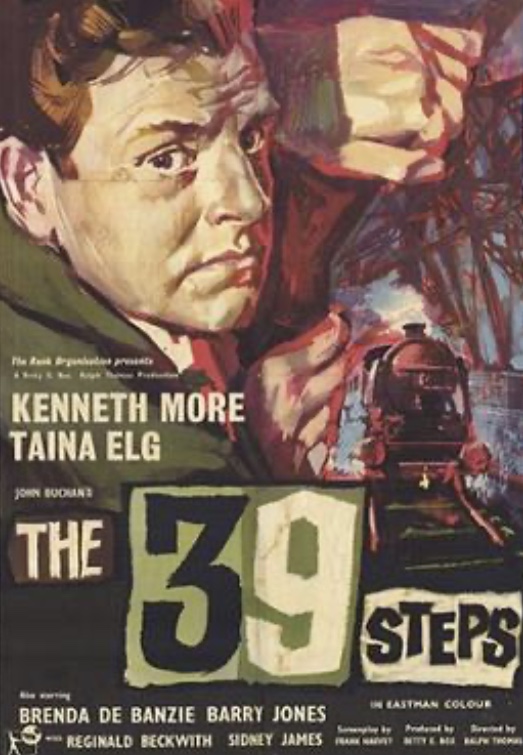
Kenneth More’s strengths were his ability to portray charm, and as an “officer returning from the war” he was superb. Those qualities made him suitable for Hannay. In his 1959 version of The 39 Steps, I think the comedic aspects were overplayed at the expense of the suspense, which was virtually non-existent, such was the confidence More exuded, whatever the situation. Credit to the actor for that.
Kenneth More enjoyed a distinguished career, but I would overlook him for the role of Hannay in my fantasy production.
Robert Powell reprised the role of Hannay in a TV series, ‘Hannay’, which I’m currently rewatching. Along with his wit and charm, he brought an athletic element to the role and a sense of adventure, which suited the character’s background.
For my fantasy production of The Thirty-Nine Steps, my choice is between the two Roberts, Donat and Powell. I’m inclined towards Powell. Feel free to disagree…
Alfred Hitchcock introduced Pamela to the story. He cast Madeleine Carroll in the role and offered this comment: “How very well Madeleine fitted into the part. I had heard a lot about her as a tall, cold, blonde beauty. After meeting her, I made up my mind to present her to the public as her natural self.”
Pamela became the archetype for the Hitchcock “ice cold blonde”. Personally, I found Pamela too cold and, at times, annoying.
Critic David Shipman was not impressed by Madeleine Carroll. He wrote: “Madeleine Carroll belonged to that unselect band of ladies whose looks were more immediately apparent than her acting ability.” Ouch! A bit harsh. Nevertheless, I wouldn’t cast Madeleine Carroll as my female lead.
Taina Elg was cast as Miss Fisher in the 1959 version of The Thirty-Nine Steps. Previous to this, Rank announced that Kay Kendall and June Allyson would take the role. Rank were keen to cast an American star to make the movie more appealing to American audiences. They ended up casting a Finnish dancer. Go figure 🤷♀️
Many of Taina Elg’s scenes, including the famous stocking scene, were identical to Madeleine Carroll’s 1935 scenes. However, I think Taina Elg brought more warmth to the role. I’m tempted to cast her in my fantasy The Thirty-Nine Steps movie, but I have my doubts.
The 1978 version of The Thirty-Nine Steps featured Karen Dotrice as Alex Mackenzie. A child star and television actress, this was her only feature film as an adult.
As a character, Alex Mackenzie was more interesting than Pamela (1935) and Miss Fisher (1959). I would include Alex in my fantasy production, but not the actress. Therefore, I have a dilemma: I’ve rejected all three actress. But a solution is at hand…
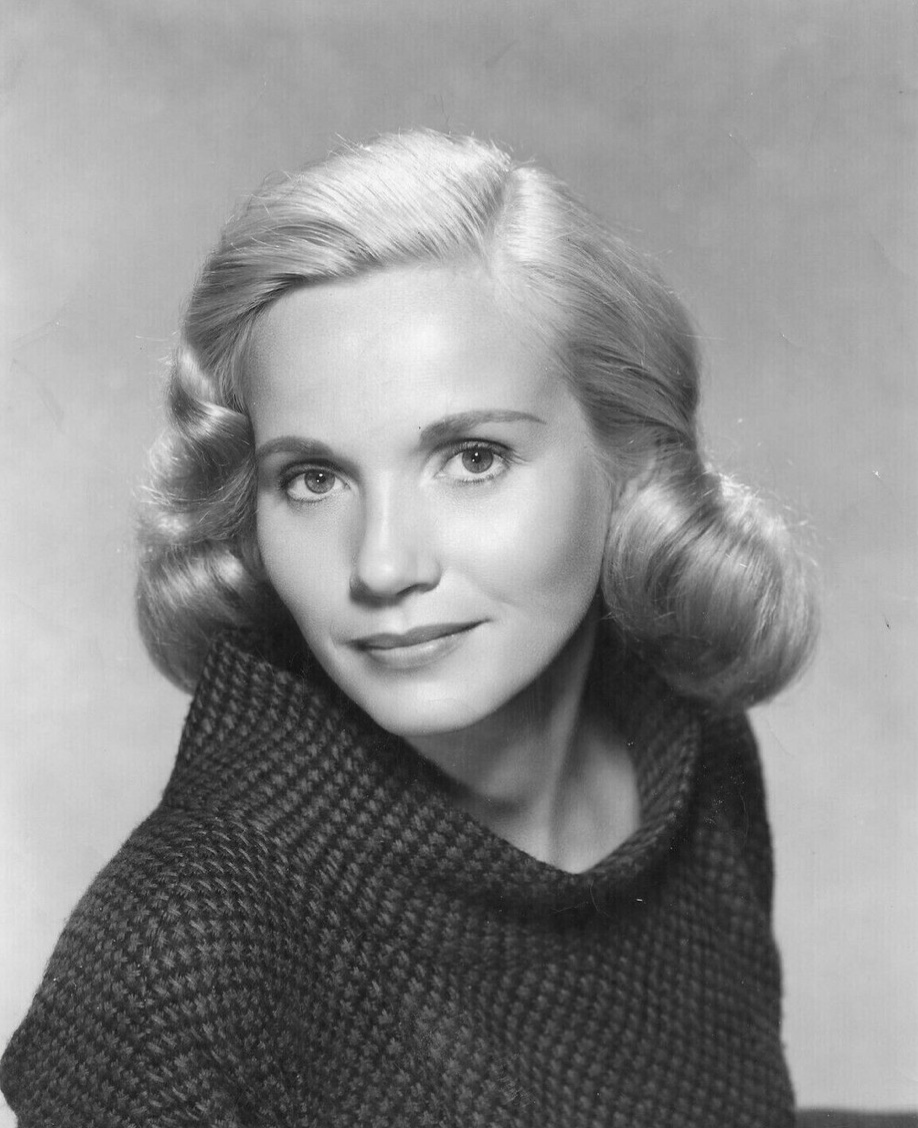
I’ve allowed myself a wild card, someone who was not involved in any of the three films. I’m using that wild card to select my actress: Eva Marie Saint (pictured). I think she would be excellent in the Alex role.
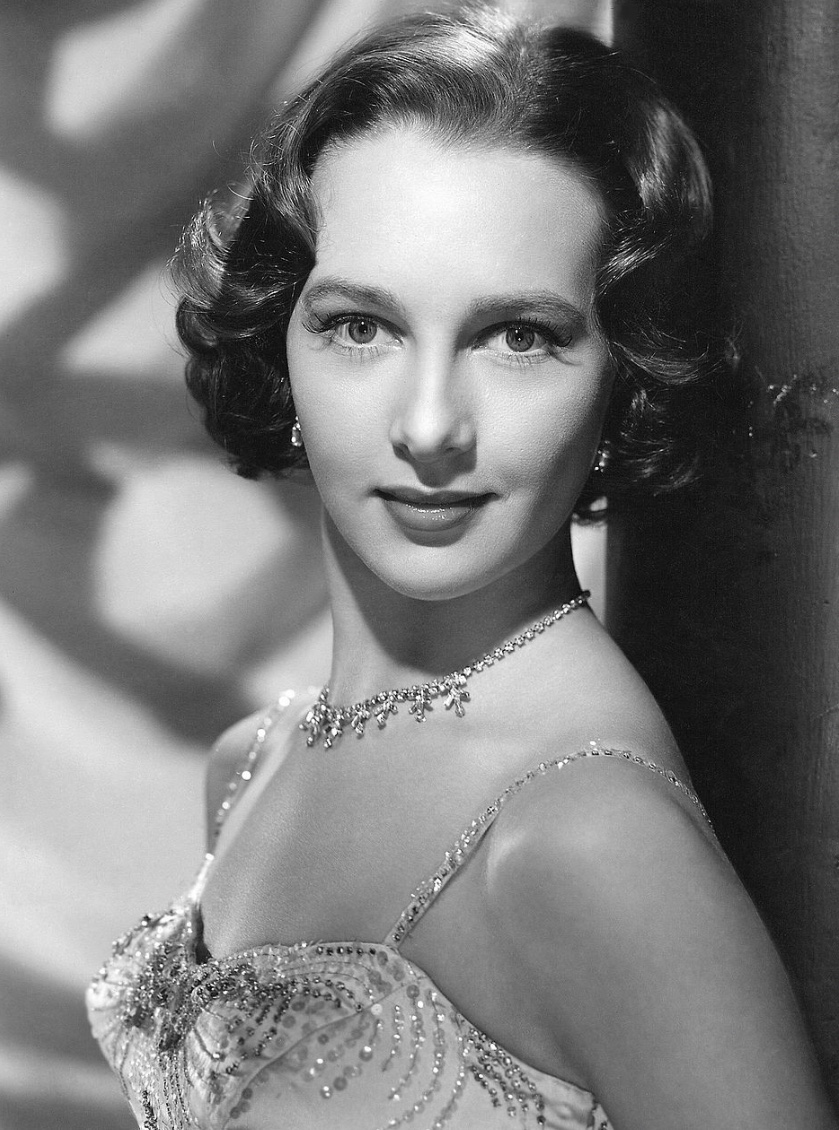
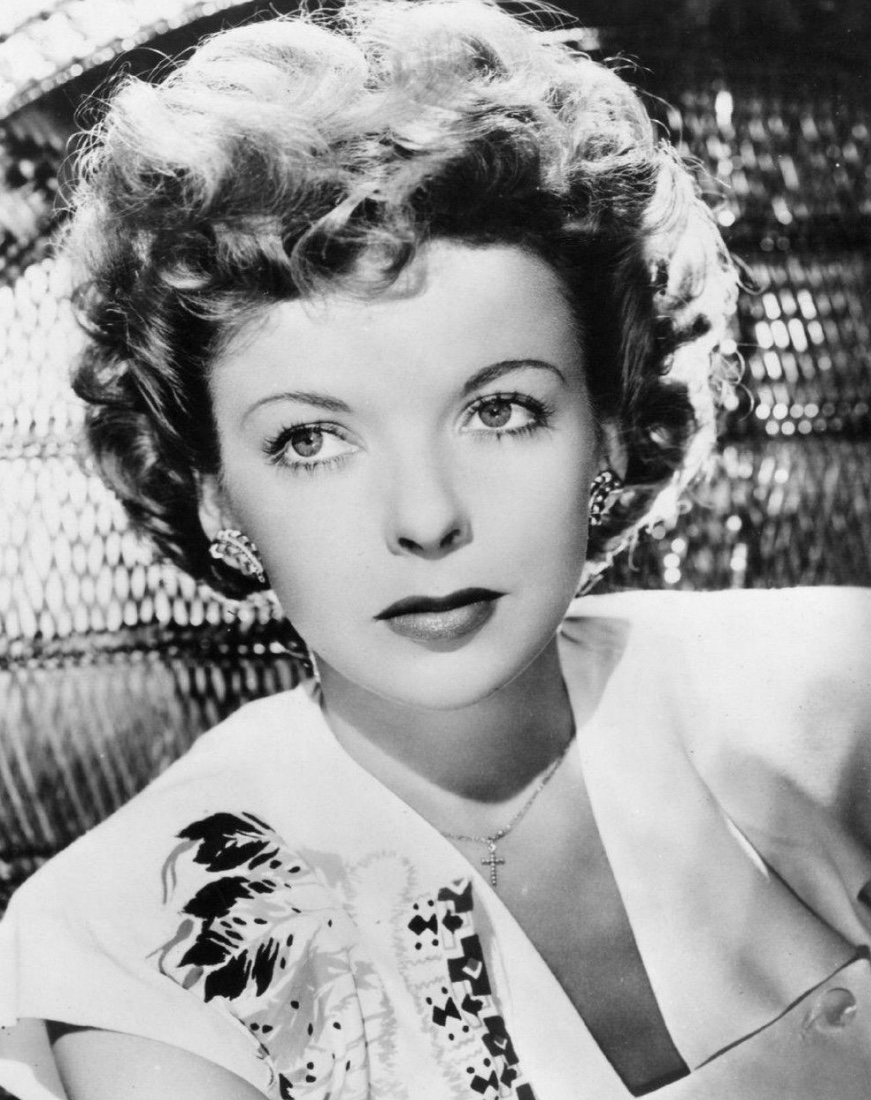
I’m listening to the Lux Radio Theatre’s production of The 39 Steps. Recorded in 1937, this production featured Robert Montgomery as Richard Hannay and Ida Lupino (pictured) as Pamela Stewart. It was based on Hitchcock’s 1935 movie version, condensed to fifty minutes.
Robert Montgomery played Hannay with a harder, more realistic, edge while Ida Lupino added spirit and depth to the Pamela Stewart role. She’s excellent. The whole production is more dramatic than the movie versions.
Although Eva Marie Saint is one of my favourite actresses, and I nominated her for the role, to be true to the original productions, I’ve decided to cast Ida Lupino as the lead actress in my fantasy version of The 39 Steps.
A word from our sponsor: to avoid chapped hands in the winter, housewives recommend washing up with Lux soap flakes.
I’m looking for a director for my fantasy version of The 39 Steps.
The 1978 version was directed by Don Sharp, one of Britain’s best action-adventure directors of the era, and a man familiar with the Great War period.
The 1959 version was directed by Ralph Thomas who stated it was not his favourite film. He said, “I was under contract (to Rank) and they asked me to do it. I think my version was a piece of effrontery that didn’t come off, and on the whole I regretted it.”
Of course, Alfred Hitchcock (pictured) directed the 1935 version. I must confess that he’s not my favourite film person and that I don’t fully understand why he’s placed on a pedestal – some of the scenes in his The 39 Steps, and Marnie, for example, creak like an abandoned galleon. Having said that, his movies do contain touches of class, so I’d hire him as the director of my fantasy The 39 Steps.
The opening of The Thirty-Nine Steps sets the tone, and points to the denouement. In his novel, John Buchan opened with Franklin P. Scudder hiding in Hannay’s flat. Hitchcock changed Scudder into Annabella Smith and introduced ‘Mr Memory’. The 1959 movie version changed Annabella into Nannie, but kept ‘Mr Memory’. The 1978 movie version, which featured around eighty percent of the book, opened with Scudder.
The Scudder opening is very strong and, I have to say, I reckon that Hitchcock’s ‘Mr Memory’ plot device is ridiculous. I think the 1978 movie was right to follow Buchan, and in my fantasy version of The Thirty-Nine Steps, I would open with Scudder.
All the versions of The Thirty-Nine Steps offered up some good ideas for the middle section of the story. In my fantasy version, I would include:
From the 1935 version – the train escape and Forth Bridge; the crofter and his wife; the political speech; the night at the inn.
The 1959 version was largely a remake of the 1935 version with a talk about nature instead of politics (too sensitive for the audience?)
From the 1978 version, I would introduce Alex Mackenzie as the female lead, but not her fiancé. His demise followed by Alex falling for Hannay four scenes later was the weakest aspect of this version. In my fantasy version, other aspects of the plot would largely follow the 1978 version.
Having ditched ‘Mr Memory’ at the beginning, I would not feature him in the denouement. I think the 1978 movie version offered the strongest and most dramatic ending with Hannay hanging from the hands of Big Ben. The symbolism here is strong: the clock ticking towards the Great War. In my fantasy version, I would conclude with Hannay trying to stop the clock.
In summary, my fantasy version of The Thirty-Nine Steps
Robert Powell as Richard Hannay (I’d be equally happy with Robert Donat)
Ida Lupino as Alex Mackenzie
Director: Alfred Hitchcock
Opening: Scudder
Denouement: Hannay trying to stop the clock on Big Ben
Of course, my fantasy version will never appear as a movie. But the story, and this process, has inspired me to write a Richard Hannay-style novel. The Ninety-Three will feature a female character Dr Anna Richards, a sociologist-socialite-suffragette, in the Hannay role and explore aspects of bravery seen during the Great War.
Buchan has provided the springboard, but The Ninety-Three will be very much my own story with original scenes and plot-lines for Dr Anna Richards to follow. The main connection is the theme ‘the innocent person on the run’. Only, in my version, I’ll have two innocent people on the run, Anna and a Great War veteran. Watch this space…
Some exciting news. Nelmari Marais, who has already done an excellent job translating a number of my books, will translate Tula into Afrikaans. More translations will follow, but I’m especially pleased that Nelmari will translate the Afrikaans version of the book.
One of the highlights of my writing career to date, the Bulgarian version of The Hermit of Hisarya, Sam Smith Mystery Series, Book Five. In 2021, The Hermit of Hisarya was included in academic lectures in Bulgaria, discussing cultural studies and world literature, and the interrelation between cultural identity and the imagination.
Clara Bow’s thirty-sixth movie was Kid Boots a silent comedy produced between June 14 and July 26, 1926, and released on October 4, 1926. Clara played Clara McCoy. Eddie Cantor co-starred in his first film.
Clara was a very generous actress who assisted her fellow players. An example of her generosity can be found in Kid Boots. In one scene, Clara’s character was supposed to quarrel with Eddie Cantor’s character. They played that (silent) scene as a quarrel, but in reality, while conveying anger to the camera, Clara was offering Cantor words of encouragement.
Cantor offered this insight: “She told me, ‘be yourself’. She is. She is never camera conscious and acts on the set as she would in her home. While the camera ground away and caught all her pretty frowns, she was saying, ‘Eddie, ya doin’ fine! Just flash them banjo eyes and there ain’t nothin’ to it!’”
When Kid Boots opened in Manhattan, police were needed to control the crowds. Clara Bow, superstar, had well and truly arrived.
Through my 9 x great grandmother, Barbara Aubrey, I’m connected to the nobility. Meet my noble ancestors: Anne Dennis, the daughter of Sir William Dennis of Dyrham, Gloucestershire, and his wife Anne Berkeley, daughter of Sir Maurice, 4th Lord Berkeley. Anne married Sir John Ragland of Carnllwyd. They had at least two sons and three daughters, including Alice, my ancestor.
In 1555, with her second husband, Sir Edward Carne, Anne moved to Rome. The couple lived there until 1561, when Sir Edward died.
🖼️ Rome 1575
Meet my noble ancestors: Sir William Dennis
William Dennis was born c1470 in Gloucestershire, England. In 1494 he married Anne Berkeley, daughter of Sir Maurice Berkeley. The couple had six sons, two of whom were knighted, and seven daughters. Four of the daughters married knights, one married an esquire while the seventh became a nun at Lacock Abbey.
Sir William died on 22 June 1533, probably in Dyrham, Gloucestershire.
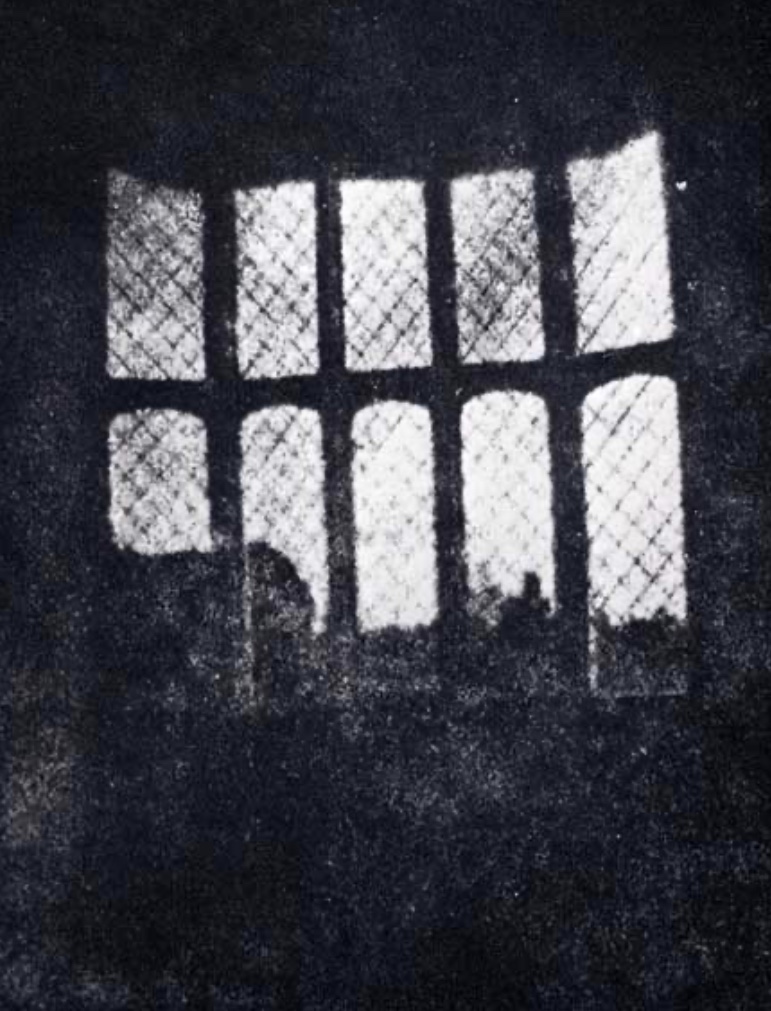
📸 A latticed window in Lacock Abbey, photographed by William Fox Talbot in 1835. This may be the oldest extant photographic negative made in a camera.
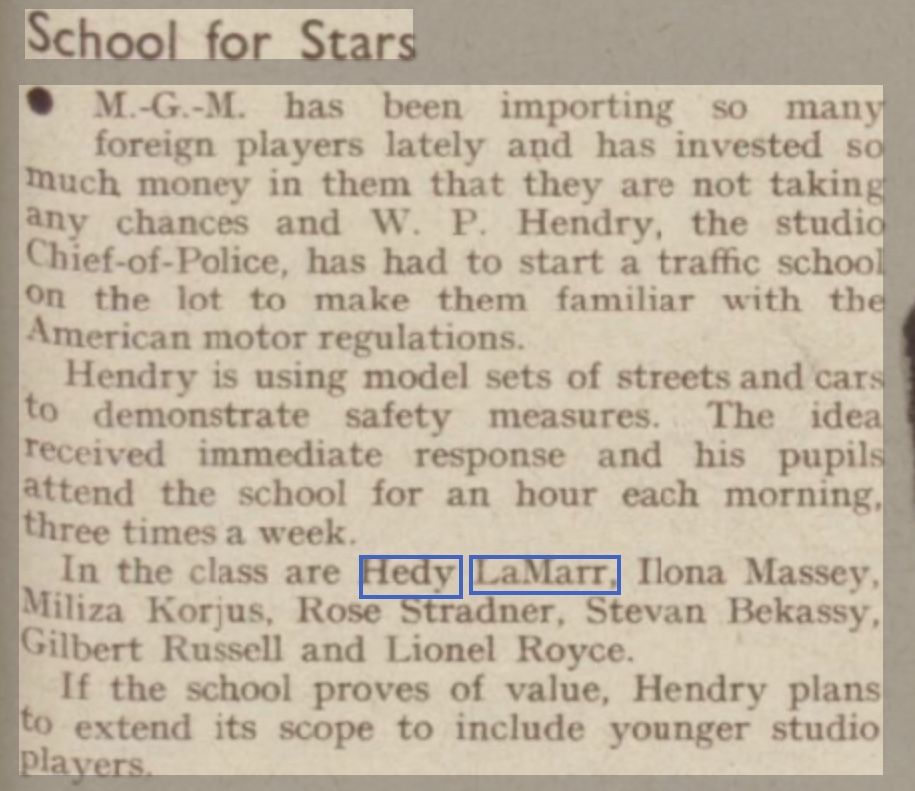
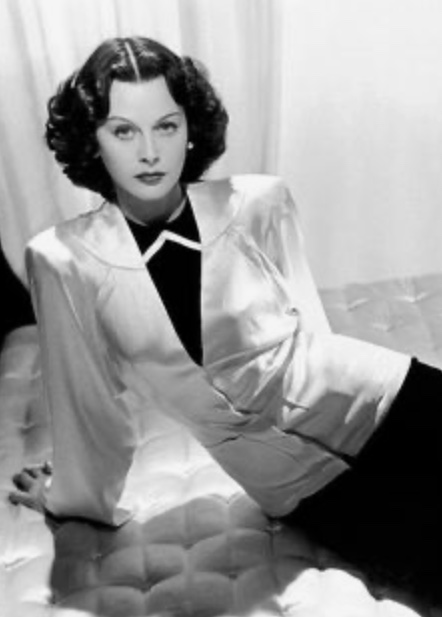
It’s December 1937 and Hedy Lamarr has arrived in Hollywood. One of her first tasks is to becoming familiar with the American way of driving by taking lessons at MGM’s driving school.
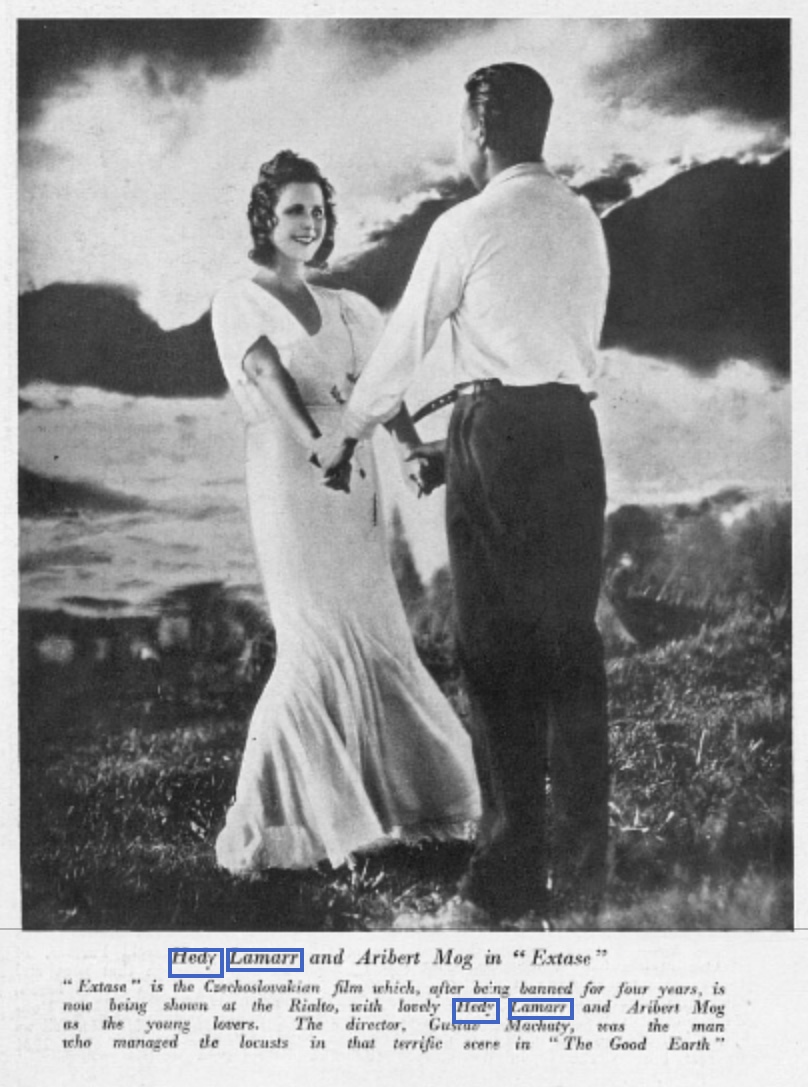
February 1938 and Hedy Lamarr is making her way in Hollywood. Meanwhile, five years after its release, the media focus is still on her controversial movie Ecstasy. However, many censors have decided to unban the film, so the media coverage of Hedy is, slowly, becoming more mainstream.
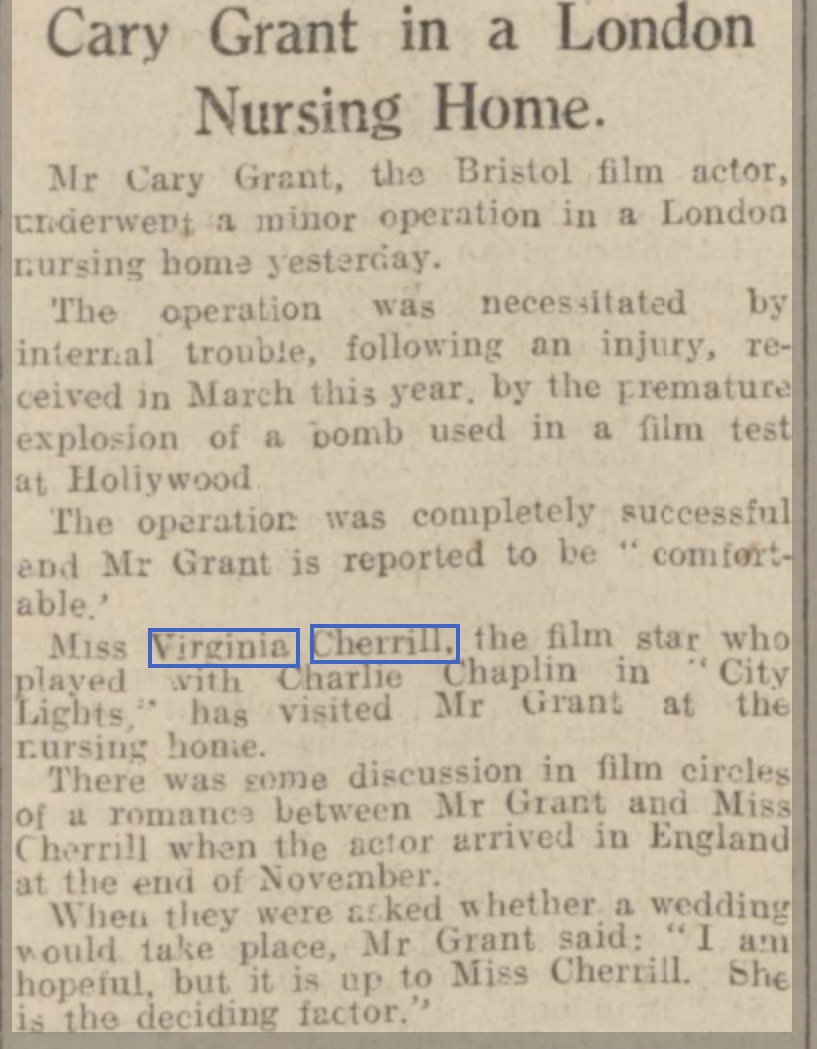
Mid-December 1933 and the newspapers were carrying reports that Cary Grant was in a nursing home. He’d travelled across the Atlantic in pursuit of Virginia Cherrill in an attempt to persuade her to marry him. She was very reluctant and kept pouring cold water over their romance. Randolph Scott, Grant’s housemate, had also arrived in London and the trio planned to spend Christmas together.
Early January, 1934. Cary Grant and Virginia Cherrill were to wed. Then their wedding was postponed. Grant was still in a nursing home. A rumour circulated that he was recovering from nervous exhaustion. Their on-off marriage was still on-off and mystery surrounding one of Hollywood’s most peculiar relationships continued.
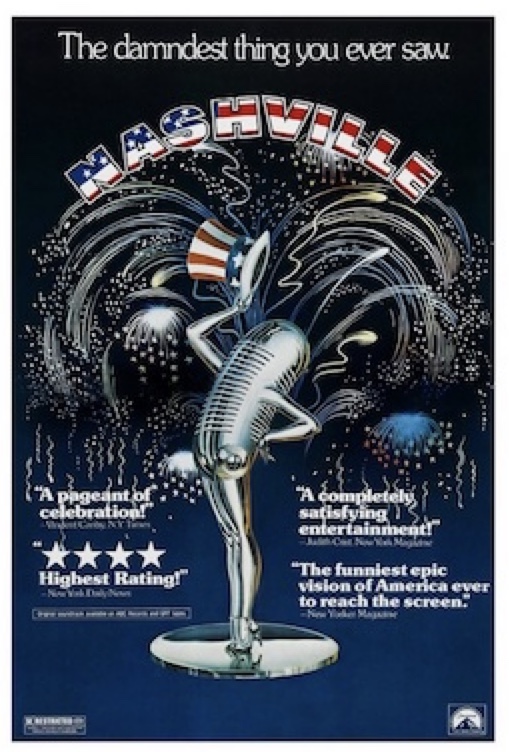
The Mastodon 1970s Mega Movie Poll Round One Continued
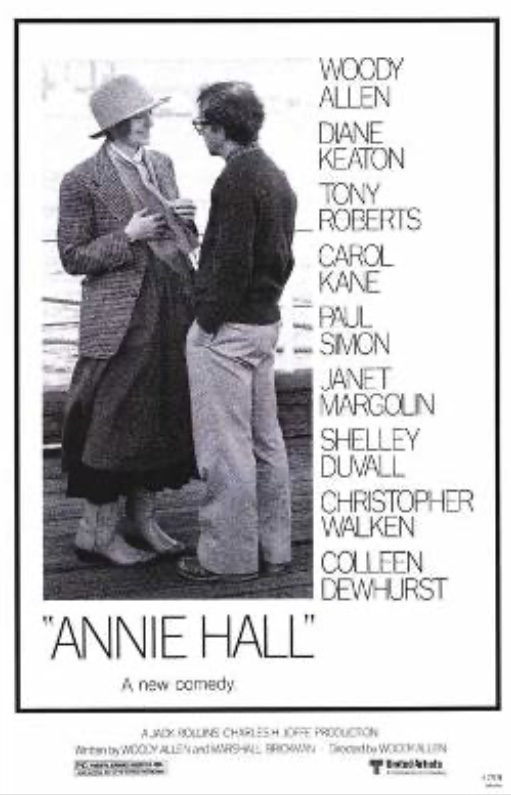
Annie Hall 22% v 78% Monty Python’s Life of Brian
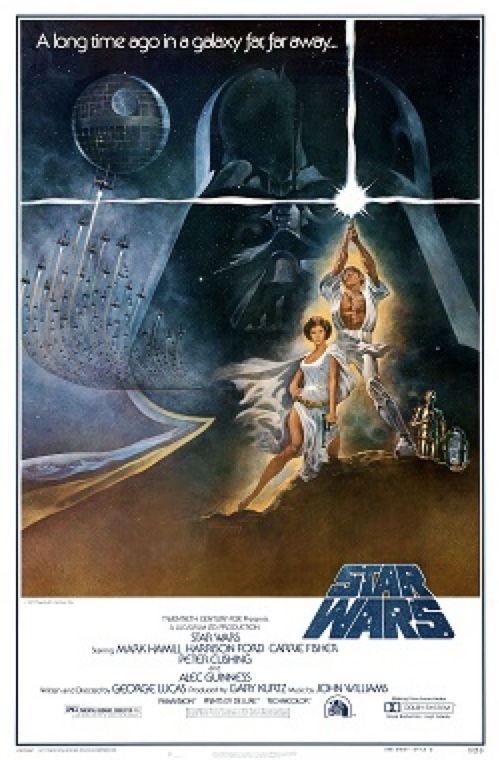
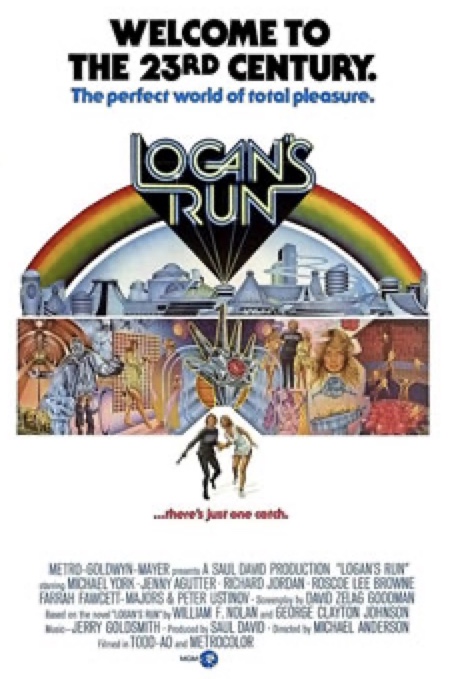
Star Wars 74% v 26% Logan’s Run
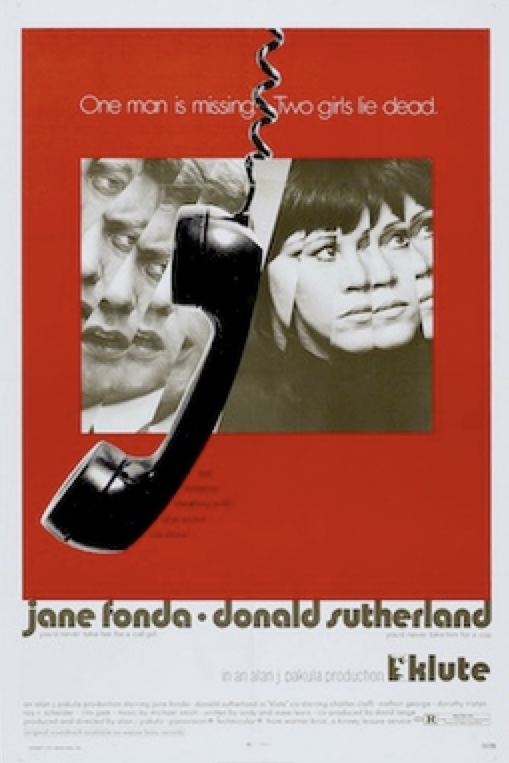
Dog Day Afternoon 72% v 28% Klute
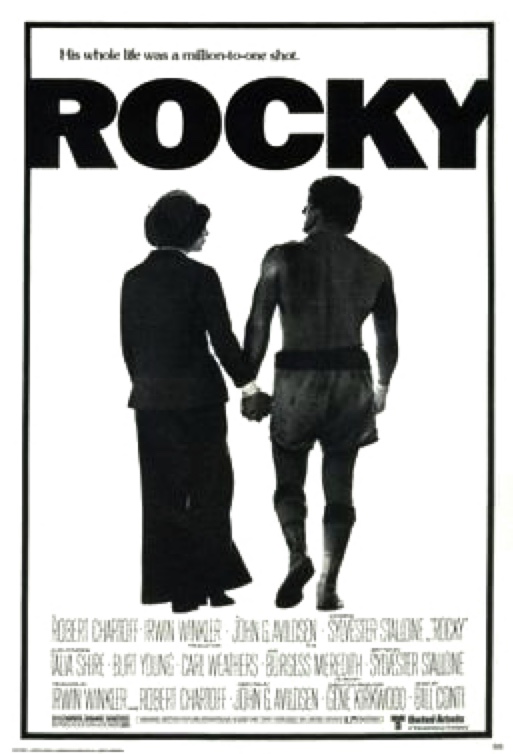
Rocky 42% v 58% Mad Max
Network 76% v 24% Airport ‘77
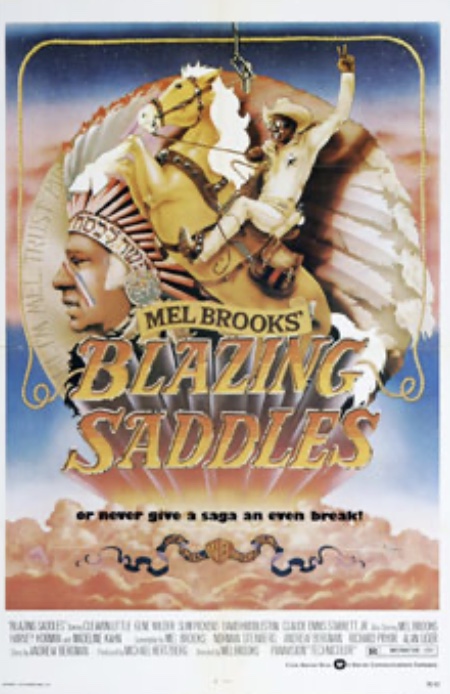
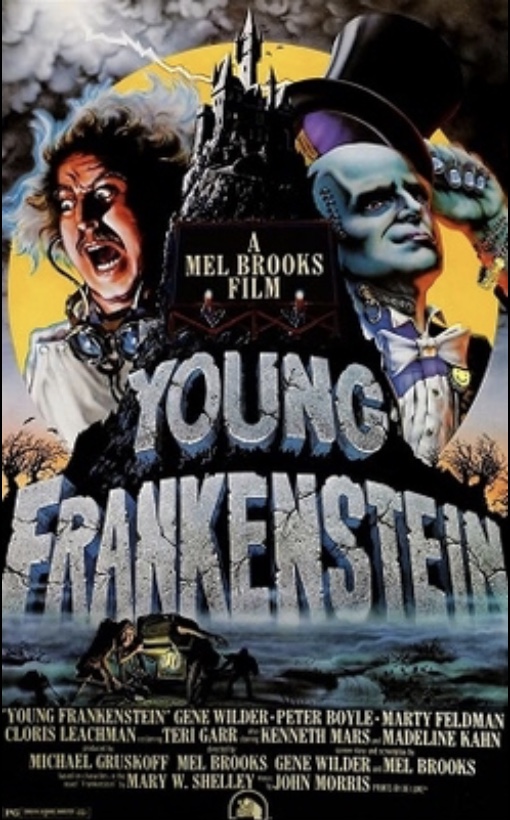
Blazing Saddles 49% v 51% Young Frankenstein
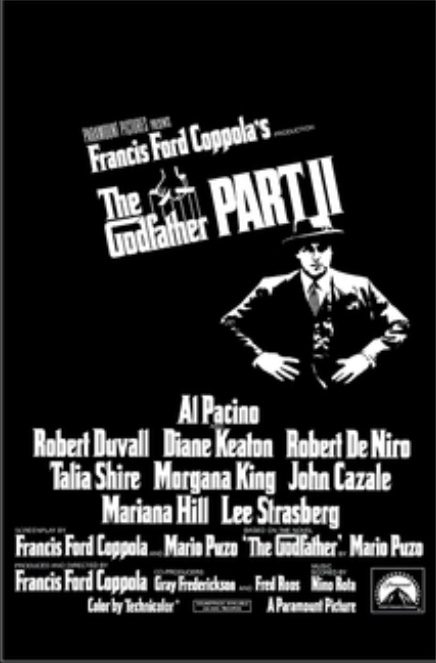
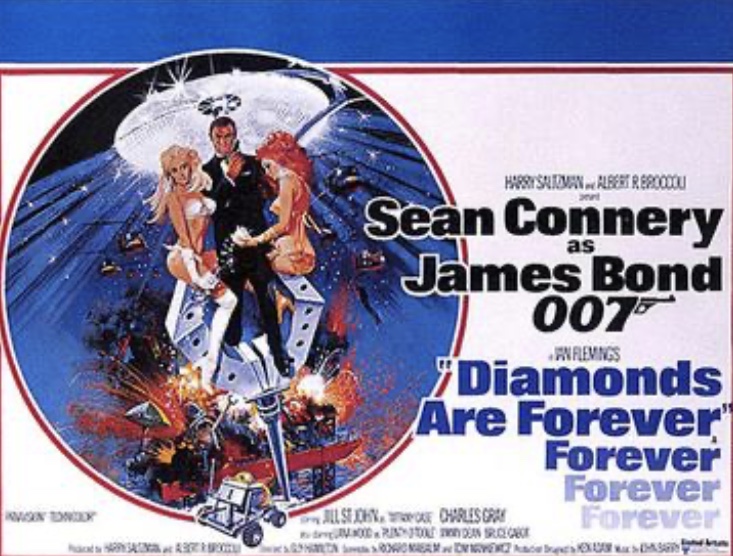
The Godfather Part II 59% v 41% Diamonds Are Forever
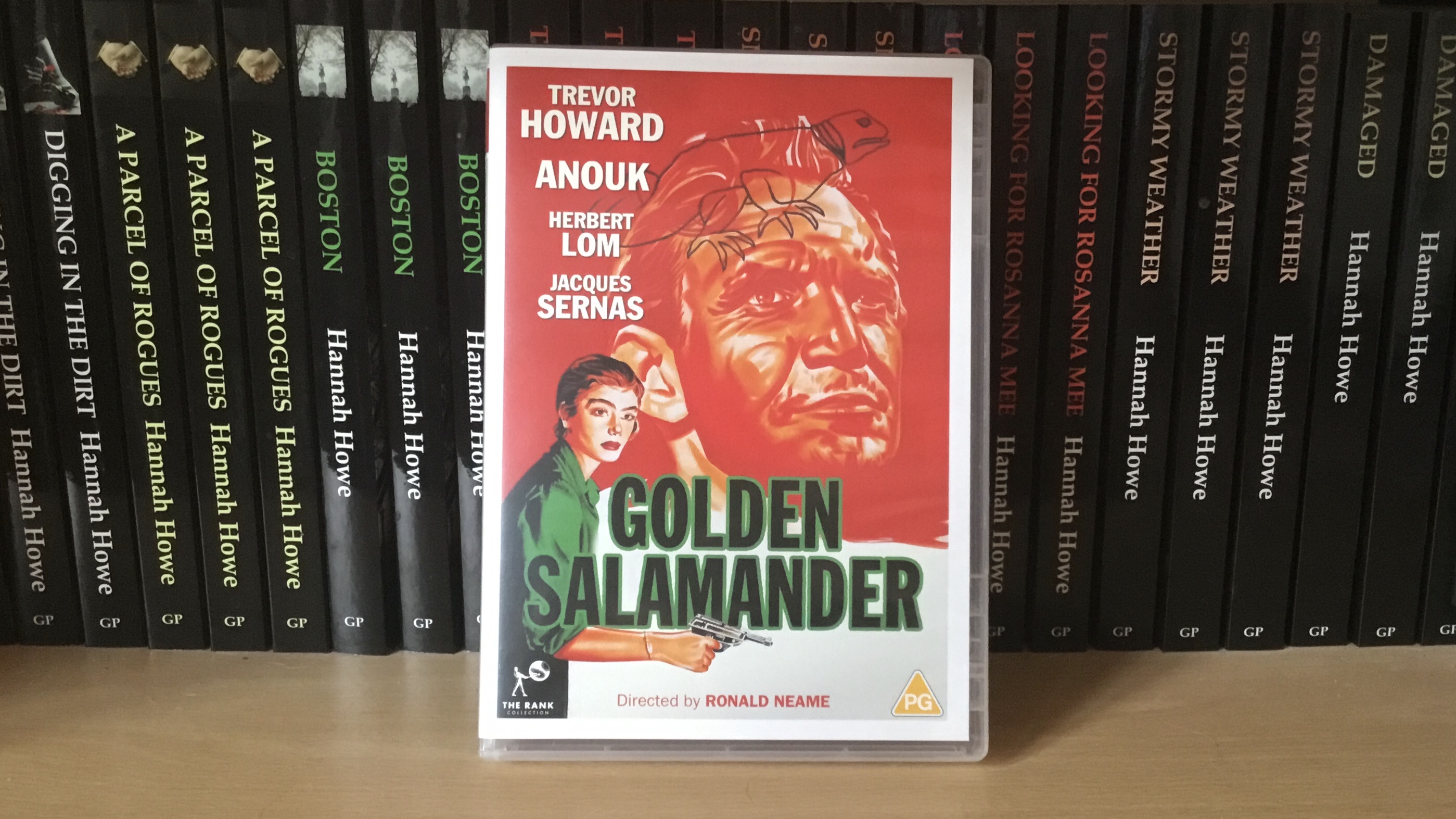
I watched this movie this week. Golden Salamander is a decent thriller with moments of genuine suspense. Trevor Howard, as an archeologist who stumbles upon gunrunning, is as solid as ever while Anouk Aimee in an early role is an attractive heroine. The location filming in Tunisia adds to the atmosphere. Wilfred Hyde-White features as a bar pianist (did every thriller c1950 feature a bar pianist?! 🤔). Capital entertainment, as they used to say.
































 Hannah Howe