Categories
1920s

The 1920s #5

Cricket

In 1920-21, England toured Australia and became the first team to lose every match in a five-match Test series. On the return during the English cricket season of 1921, Australia continued their dominance, winning the first three Test matches. However, England did manage to draw the final two.

Jack Gregory, fast bowling tormentor of England, 1920-21.

In October 1927, Clarice Cliff (pictured) began test marketing her ‘Bizarre’ pottery range in Britain. Initially, her pottery sold for 7 shillings and 6 pence (35 pence). In 2004, Christie’s sold a Clarice Cliff 18-inch ‘charger’ (wall plaque) for £39,500.

Aviation

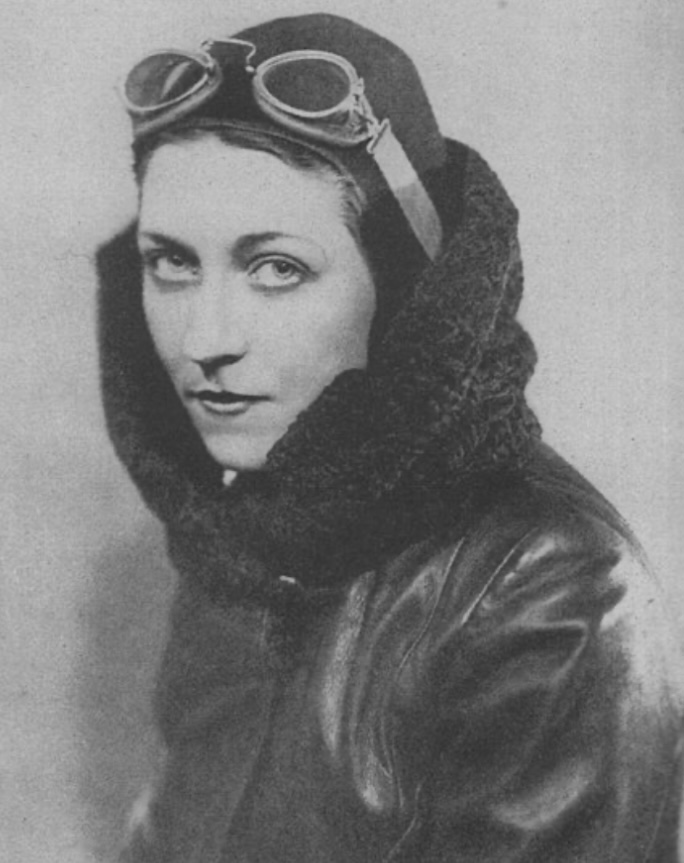
In 1929, Amy Johnson (pictured) obtained her pilot’s licence from the London Aeroplane Club. Later in the year she became the first British woman to obtain a ground engineer’s C Licence. In 1930, Amy was the first woman to fly solo from Britain to Australia.
Seaside Resorts

In the 1920s, a fortnight’s summer holiday by the seaside was a regular feature of working-class life. The practice started in the 1840s with the development of the railways. Entrepreneurs built accommodation in the form of hotels and bed and breakfast establishments. In places like Blackpool they also added fairground attractions, promenades and pleasure piers.

The cotton mills in the north of England would close during “wakes weeks” and people would flock to the seaside. Because beachwear was still considered immodest, proprietors provided bathing huts. During the 1920s, well over 100 British towns developed into seaside resorts.
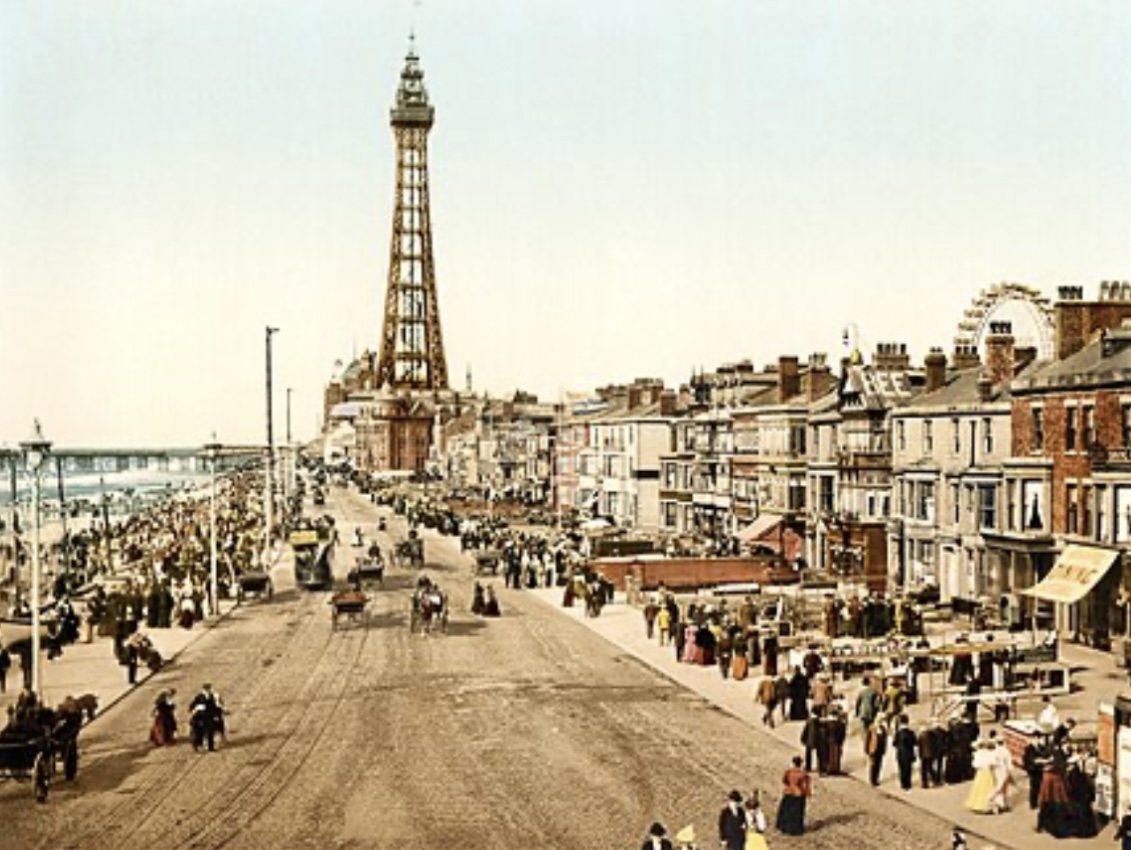
Blackpool Promenade

On 17 January 1921, P.T. Selbit became the first magician to publicly “saw a woman in half”. He performed this illusion at the Finsbury Park Empire, London. 

In 1913, Selbit, with the aid of an attractive woman, performed the illusion of “walking through a brick wall”, a year before Harry Houdini performed the same trick. The two men entered a dispute over who invented the illusion. Spoiler: the magician or his assistant used a trapdoor that went underneath the wall.

In front of an audience more interested in the camera than the potential gore unfolding, P.T. Selbit “saws a woman in half”. 

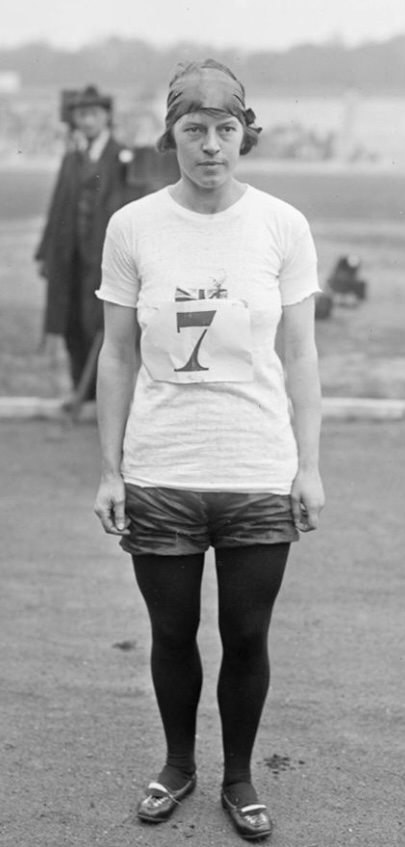
The 1923 WAAA Championship, the first British track and field championships for women, was held on 18 August at the Oxo Sport Grounds, in Bromley, London. The events: 100 yards, 220 yards, 440 yards, 880 yards, 660 yards relay, 120 yards hurdles, high jump, long jump, shot put, javelin, and track walk.

Mary Lines (pictured) won four events: 100 yards, 440 yards, 120 yards hurdles, and the long jump.
On 21 December 1927 aka “Slippery Wednesday” 1,600 people were hospitalised in the London area when they hurt themselves on icy streets.

The cold weather continued over Christmas with blizzards in south Wales, the Midlands and London.

The Train in the Snow – Claude Monet

For Authors

#1 for value with 565,000 readers, The Fussy Librarian has helped my books to reach #1 on 32 occasions.

A special offer from my publisher and the Fussy Librarian. https://authors.thefussylibrarian.com/?ref=goylake

Don’t forget to use the code goylake20 to claim your discount 🙂

Categories
The Golden Age of Hollywood

Maureen Adele Chase Dunlop de Popp

Research for my forthcoming novel, Sunshine, The Golden Age of Hollywood, Book Two.

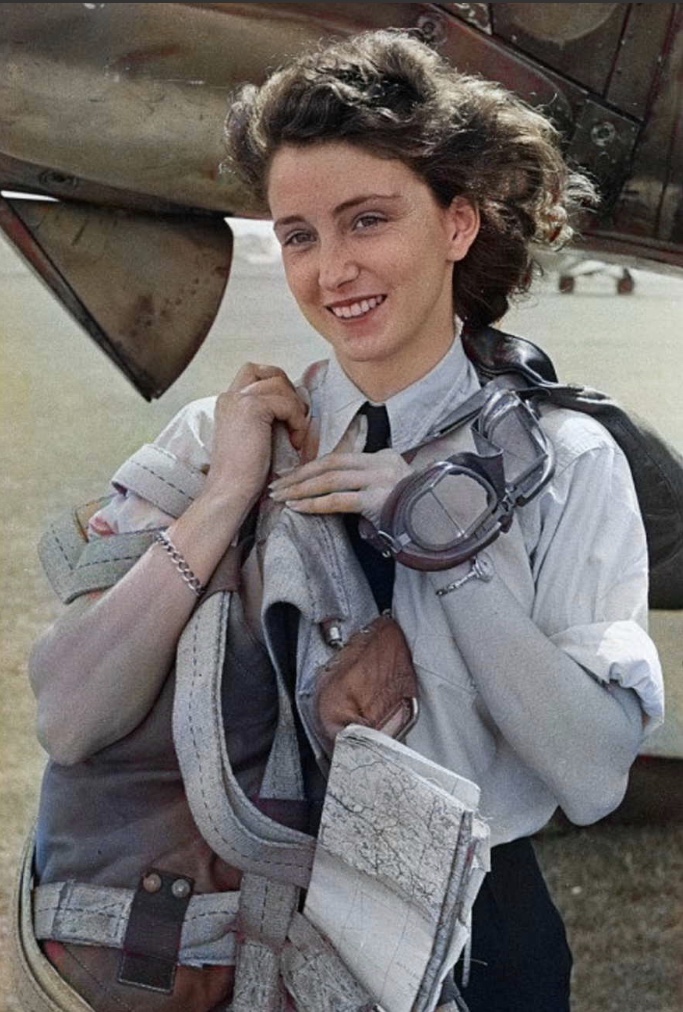
Thanks to her appearance on the cover of Picture Post, Maureen Adele Chase Dunlop de Popp (26 October 1920 – 29 May 2012) became the ‘cover girl’ of the Air Transport Auxiliary, a team of pilots who ferried Spitfires, Hurricanes, Mustangs and more between factories and airfields.

Maureen was born in Quilmes, near Buenos Aires. Her parents were Australian farm manager Eric Chase Dunlop, a World War One veteran and a sheep farmer in Patagonia, and his English wife, Jessimin May Williams.

Educated mainly by her governess, Maureen became an expert horse rider. She also developed a fascination for aeroplanes and during a holiday in Britain in 1936, she took flying lessons. Upon her return to Argentina, she backdated her birth certificate and continued flight training with the Aeroclub Argentino.

At the outbreak of World War Two, Maureen decided to support the war effort. However, to join the Air Transport Auxiliary, female pilots needed a minimum of 500 hours’ solo flying, twice that of a man.

Colourised version of Maureen walking away from her Fairey Barracuda

After increasing her flying hours, in April 1942 Maureen joined the ATA. She flew thirty-eight different types of aircraft, logging 800 hours of flight time. She flew Spitfires, Hurricanes, Mustangs, Typhoons and Wellingtons. Her favourite aircraft to fly was the de Havilland Mosquito. 

Maureen flew from the all-female ferry pool at Hamble, Southampton, which specialised in delivering Spitfires from Supermarine’s factory at RAF Southampton.

On at least two occasions, Maureen was forced to make emergency landings, once when the cockpit canopy of her Spitfire blew off after takeoff and secondly when the engine of her Fairchild Argus failed in the air.

Maureen Dunlop

After the war, Maureen served as a flying instructor at RAF Luton. She returned to Argentina where she instructed pilots for the Argentine Air Force and became a commercial pilot, retiring in 1969.

In 1955, Maureen married retired Romanian diplomat Serban Victor Popp. The couple met at a British Embassy function in Buenos Aires. They had a son and two daughters, and raised them on their farm Milla Lauquen Stud, in Norfolk, where they also bred pure-blood Arabian horses. 

Serban died in 2000. Maureen passed away at her home in Norfolk on 29 May 2012, aged ninety-one.

Categories
Dear Reader

Dear Reader #191

Dear Reader,

For my forthcoming novel, Sunshine, I’m researching the Air Transport Auxiliary. The ATA was a British civilian organisation set up at the start of the Second World War to ferry aircraft between factories and active service squadrons. 

Ten percent, 168, of its pilots were women. They ferried all types of planes, from Lancasters to Spitfires, sometimes as many as six different types of planes a day, familiarising themselves with the controls on the spot.

The ATA’s call sign, after D-Day, was “Ferdinand the Bull”, while their unofficial motto was “Anything to Anywhere”.

📸 First Officer Maureen Dunlop on the cover of Picture Post

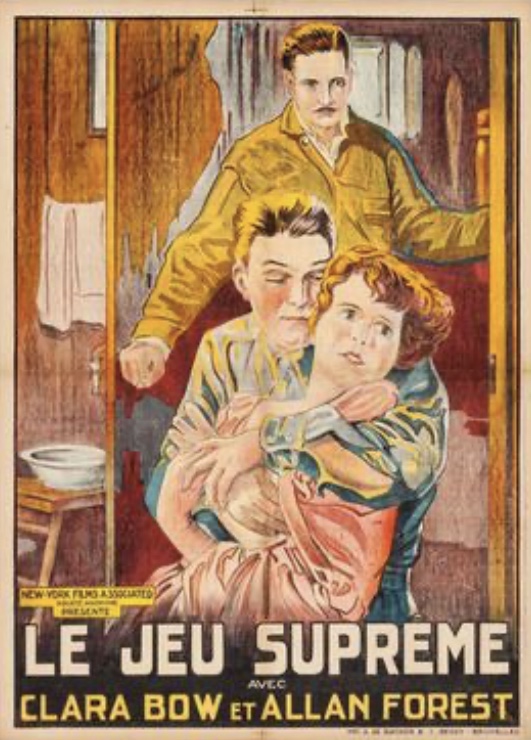
Clara Bow’s thirtieth movie was Two Can Play, another low-budget affair that was beneath Clara’s talent. The movie was released on February 21, 1926, disappeared on the daily-change circuit and is now presumed lost.

After thirty movies, Clara had certainly served her apprenticeship. All she needed was the right script, and the right lifestyle guidance, to propel her to superstardom. The script arrived with her thirty-first movie, Dancing Mothers. Whether the lifestyle guidance ever arrived is a matter for debate.

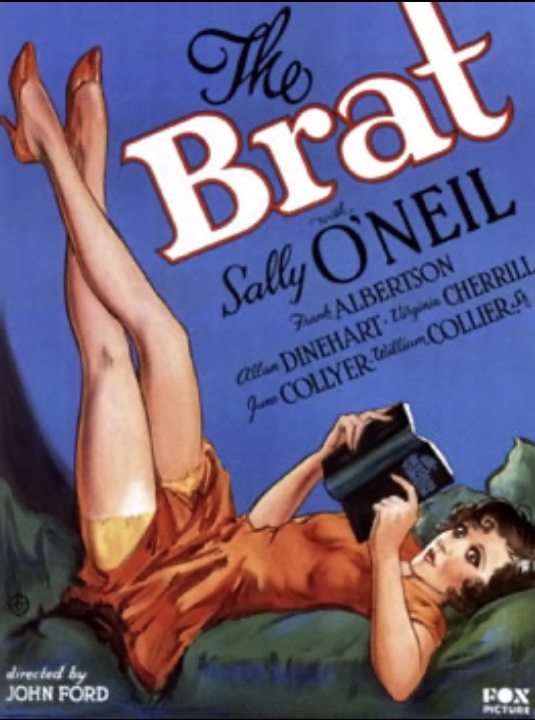
After the bright lights of Charlie Chaplin’s City Lights and the critical disaster of Girls Demand Excitement, Virginia Cherrill made two more movies in 1931, The Brat and Delicious.

In The Brat, a comedy directed by John Ford and starring Sally O’Neil, Virginia played Angela, a support character. She also had a supporting role in Delicious, a musical romantic comedy starring Janet Gaynor and Charles Farrell. 

Career-wise, Virginia was slotting into support roles. However, her profile remained high in Hollywood, and she was a regular at parties hosted by William Randolph Hearst and his mistress, Marion Davies. 

Engagements to eligible bachelors were announced in the press, but they amounted to nothing. After the distressing experience of a brief first marriage and divorce, Virginia was understandably cautious.

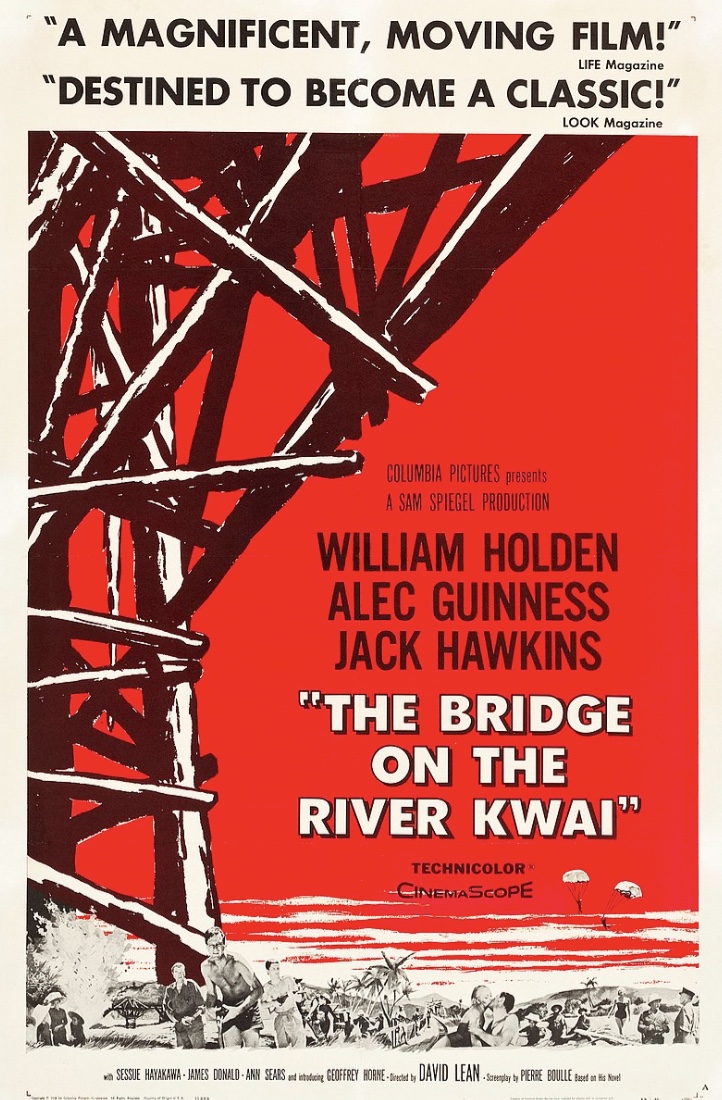
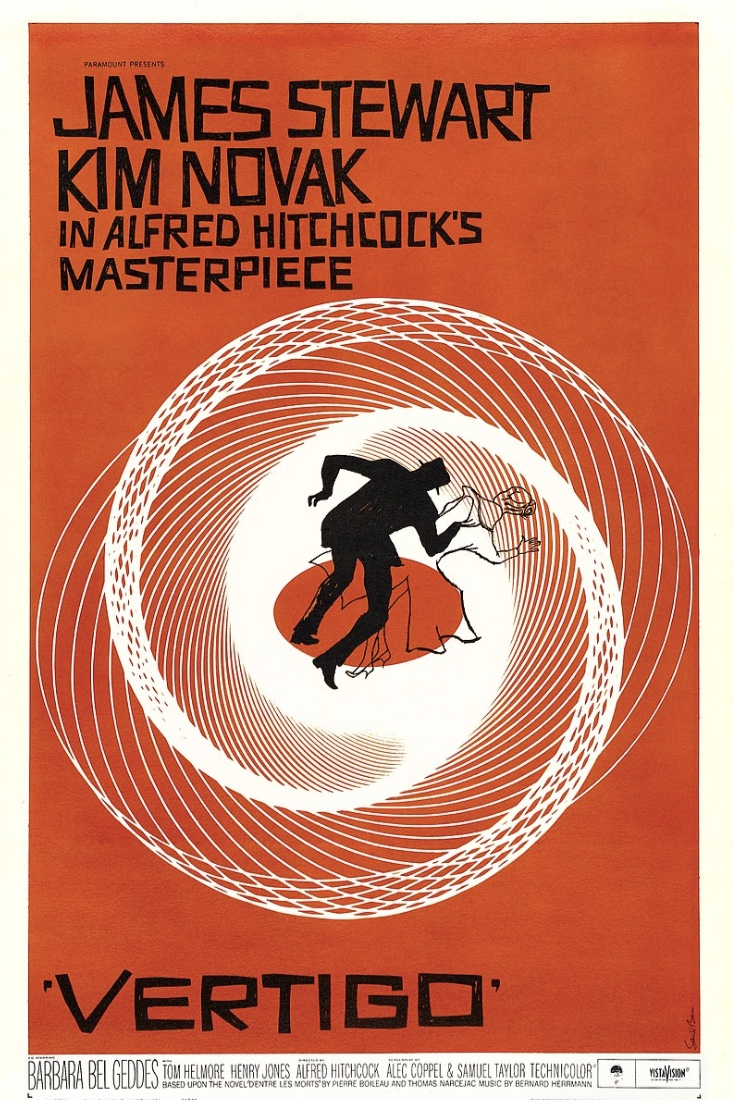
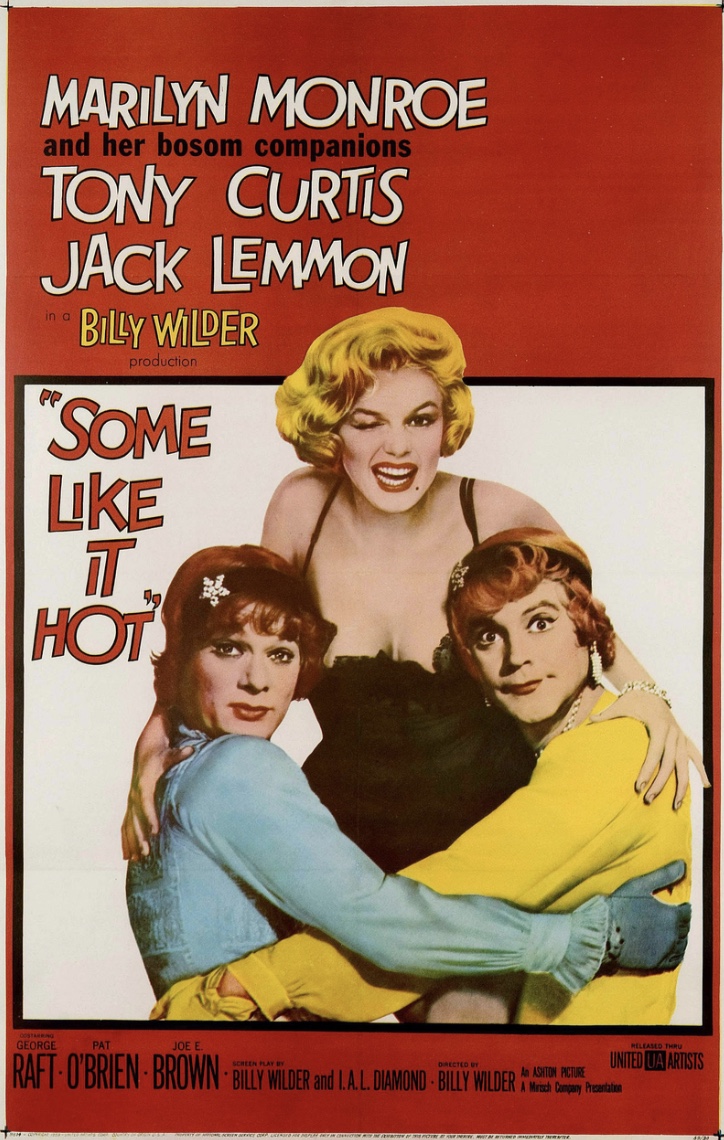
Latest results in our Mastodon Mega Movie Poll, Round Three

The Wizard of Oz 59% v 41% The Bridge on the River Kwai

Vertigo 76% v 24% Spartacus

Singin’ in the Rain 67% v 33% Modern Times

It’s a Wonderful Life 47% v 53% Some Like it Hot

On the Waterfront 47% v 53% The Grapes of Wrath

The General 39% v 61% To Kill a Mockingbird

The Manchurian Candidate 47% v 53% His Girl Friday

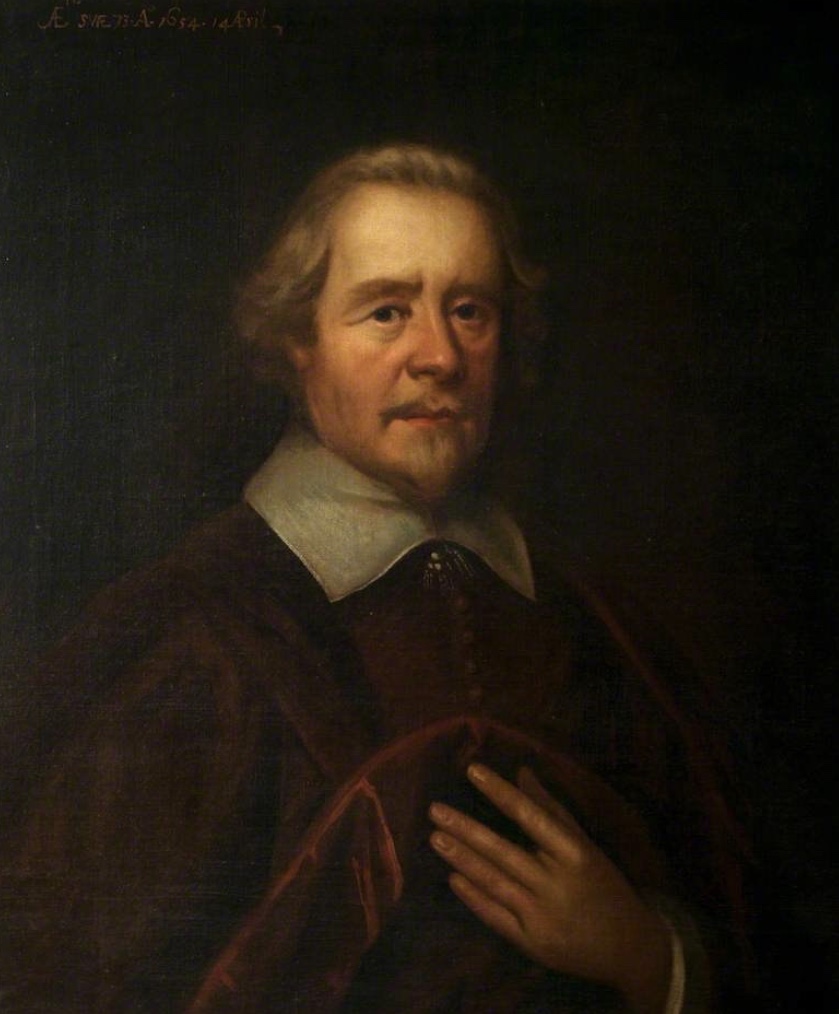
I’ve discovered this portrait, by an unknown artist, of my ancestor David Papillon (1581-1659). An oil on canvas, it depicts David at the age of 73.

David was an architect and military engineer. Born in Paris, he arrived in Britain in 1588 as a refugee. His mother died when their ship was wrecked. David and his two sisters were saved.

As ever, thank you for your interest and support.

Hannah xxx

For Authors

#1 for value with 565,000 readers, The Fussy Librarian has helped my books to reach #1 on 36 occasions.

A special offer from my publisher and the Fussy Librarian. https://authors.thefussylibrarian.com/?ref=goylake

Don’t forget to use the code goylake20 to claim your discount 🙂