
Continuing the story of the Howe family, the occupants of Lilac Cottage, 1939-45.
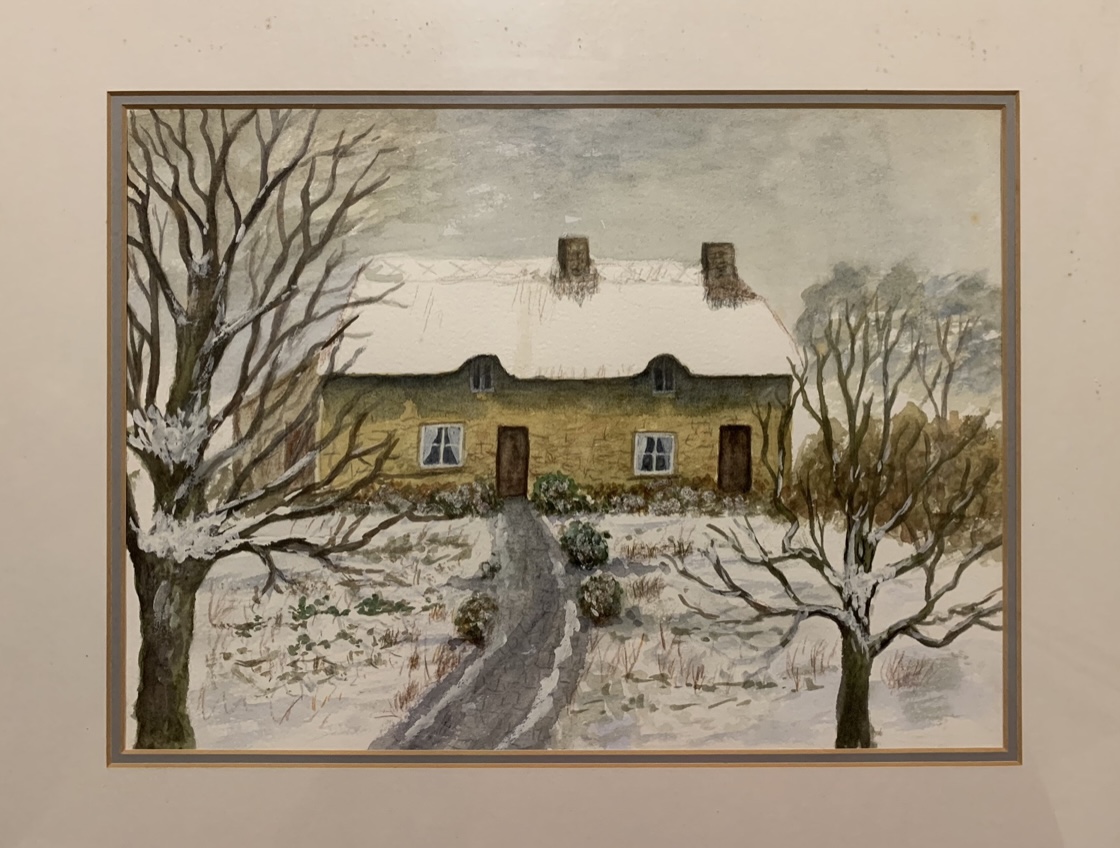
Born on 4 July 1885 to my 2 x great grandparents William Howe and Ann Jones, Evan Howe lived in one half of Lilac Cottage with his sister Mary Ann Howe. Like so many of the male members of the family, Evan worked in the local limestone quarry.
Working in the dusty quarry, Evan liked a drink in the evening. Indeed, on one occasion he featured in the local newspapers for drinking “shandy gaff” after hours.
Evan never married. A boxer in his youth, he was prominent in local social circles. In 1918 he was a member of a committee that presented an honour to a returning First World War soldier. Aged 54 in 1939, Evan knew that he was unlikely to be called up, and therefore would have to serve his country on the home front.
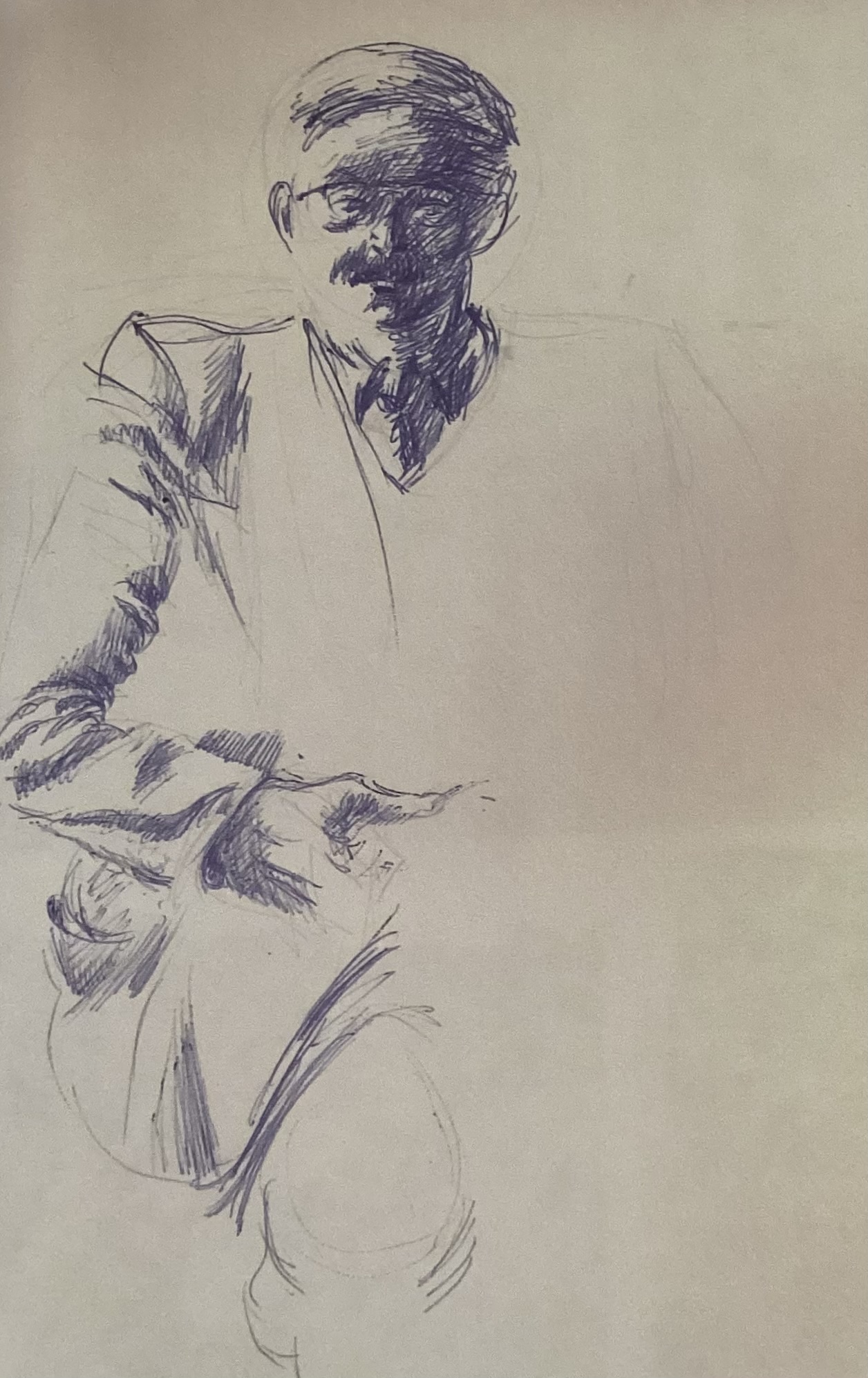
Mary Ann Howe sister of Evan Howe was born on 2 September 1879 in South Cornelly. She was sixty when war broke out on 3 September 1939 and helped with the domestic duties at Lilac Cottage. A dressmaker in her youth, she remained unmarried throughout her life.
A possible reason for Mary Ann’s spinster status was that she lost a leg during her childhood. Family legend states that she injured her leg falling from a tree, and the surgeon amputated it on the kitchen table. This legend stems from contemporaries of Mary Ann, her brothers and sisters, so it may well contain the essence of the truth.
Mary Ann was partial to snuff and refused to touch coins. Maybe she believed that coins transmitted disease. Whatever, she insisted on paying for her goods with paper money.
In the spring of 1937, Priscilla Doreen Howe – granddaughter of my 2 x great grandfather William Howe – married Handel Edwards and the couple lived adjacent to Lilac Cottage in South Cornelly. Priscilla was a talented artist and painted the picture of Lilac Cottage featured on this page.
Priscilla was named after her aunt Priscilla, a teenager who sadly died in 1913 during an operation.
Priscilla’s husband, Handel Edwards, was a lorry driver at the local quarry. His parents ran the New House, a popular public house in the village.

Living in Wood View, my 2 x great grandfather William Howe’s old house, and next door to Priscilla and Handel Edwards, were Christiana Howe – sister of Evan and Mary Ann Howe – her husband David T David, and their two children, Hopkin and Enid.
Born on 27 August 1881, Christiana married David T David in the autumn of 1899. She was heavily pregnant at the time, and gave birth to her first child, of nine, Thomas David on 10 February 1900.
When David T David, a strict no-nonsense man, married Christiana, he was a plate layer on the railways. Later, he became a coal hewer. By the time war broke out, David T David had improved his working status considerably – he was the foreman at a sand and gravel company that extracted sand from nearby Morfa Beach.
Christiana was noted for her kind and placid manner, and for her prefect skin, which reminded flawless even into old age.

On 4 September 1939, the day after war had been declared against Hitler’s Germany, in the local newspapers the first wedding mentioned was a Howe wedding – Hilda Maud Howe married Philip Phillips in the local chapel. Hilda was descended from my 4 x great grandparents John Howe and Christiana John.

The newspapers also featured items related to the announcement that Britain was at war with Germany – a furniture store asked its customers to call in during daylight hours, because it would close at dusk; the Bedwellty Dog and Agricultural Show was cancelled; and recruits were urgently needed for the Women’s Land Army. People went about their daily routines, but even in the first week of September 1939 those routines were changing.
For Authors
#1 for value with 565,000 readers, The Fussy Librarian has helped my books to reach #1 on 36 occasions.
A special offer from my publisher and the Fussy Librarian. https://authors.thefussylibrarian.com/?ref=goylake
Don’t forget to use the code goylake20 to claim your discount 🙂


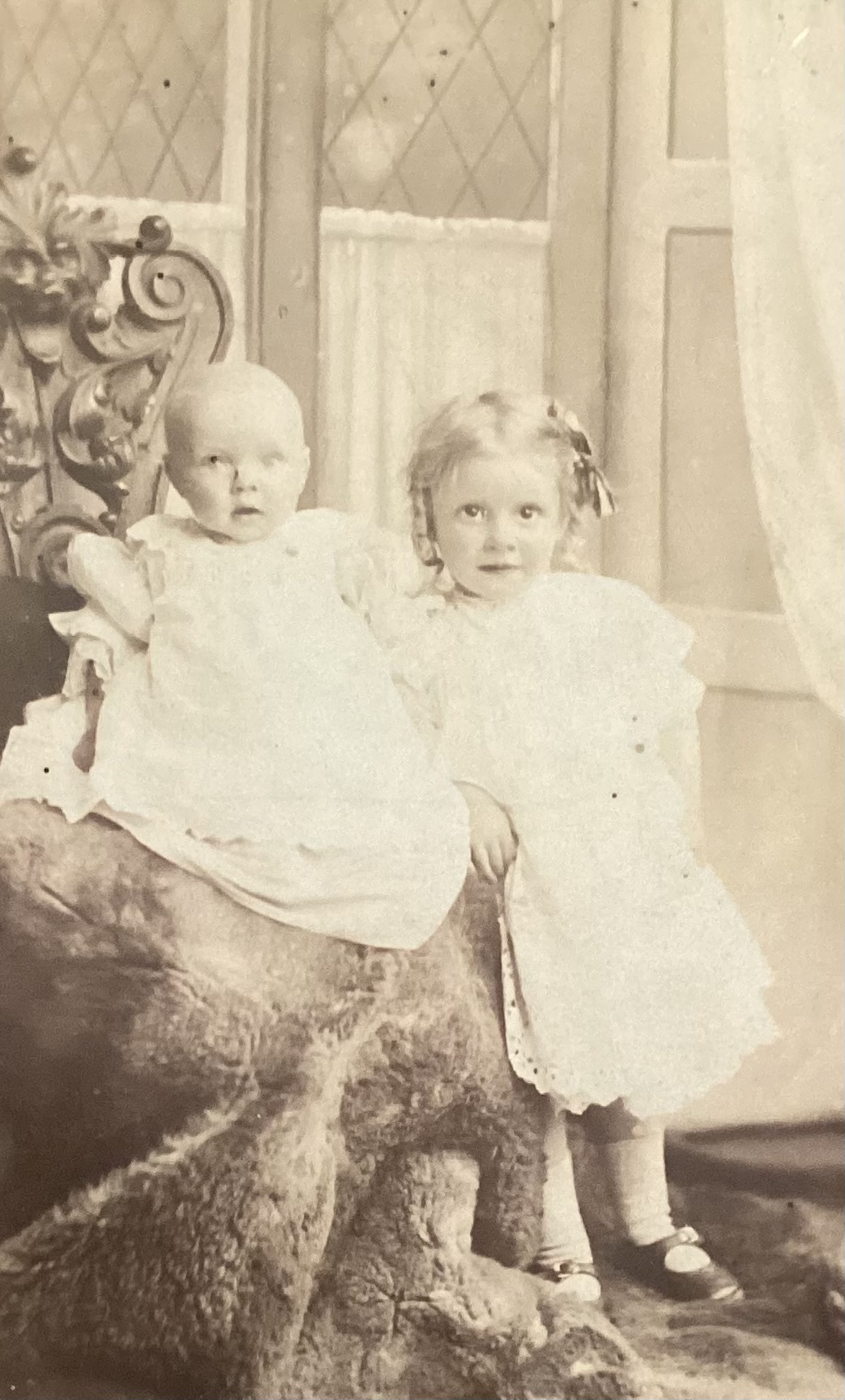

 Hannah Howe