Clara Bow’s thirty-ninth movie was Children of Divorce, a silent romantic drama produced between November 26, 1926 and January 15, 1927, and released on April 2, 1927. Clara played Kitty Flanders, a young flapper. The movie co-starred one of Clara’s lovers, Gary Cooper, who she met a few months earlier during the filming of Wings.
Gary Cooper was very nervous on the set (one scene required twenty-three straight takes; he was fired, but Clara made sure that he was rehired). He was especially nervous during the love scenes with co-star Esther Ralston. This was ironic because he developed a reputation as one of Hollywood’s great lovers.
Clara’s character died in this movie. Director Victor Fleming said, “Clara Bow’s death scene in Children of Divorce is the greatest ever done on the screen.”
At times, Clara Bow was ‘wild’ and ‘crazy’. She was also a great actress.
The Mastodon 1970s Mega Movie Poll, Second Round
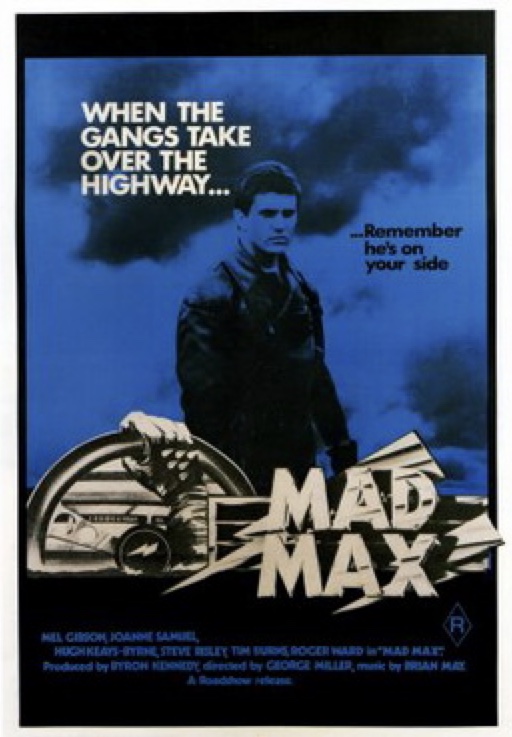
Mad Max 51% v 49% The French Connection
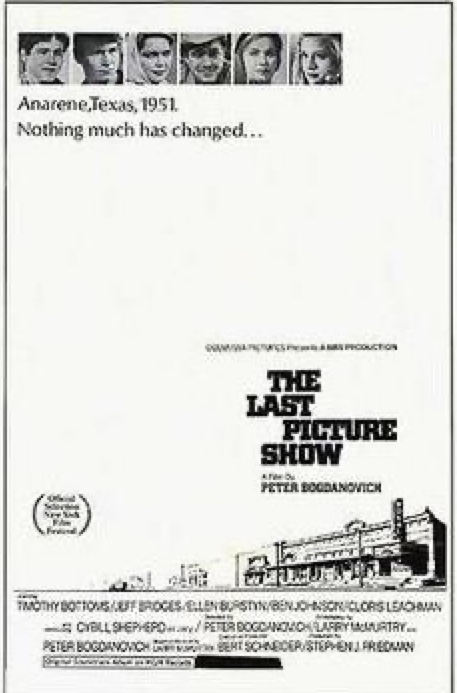
Jaws 71% v 29% The Last Picture Show
The Deer Hunter 68% v 32% Slaughterhouse-Five
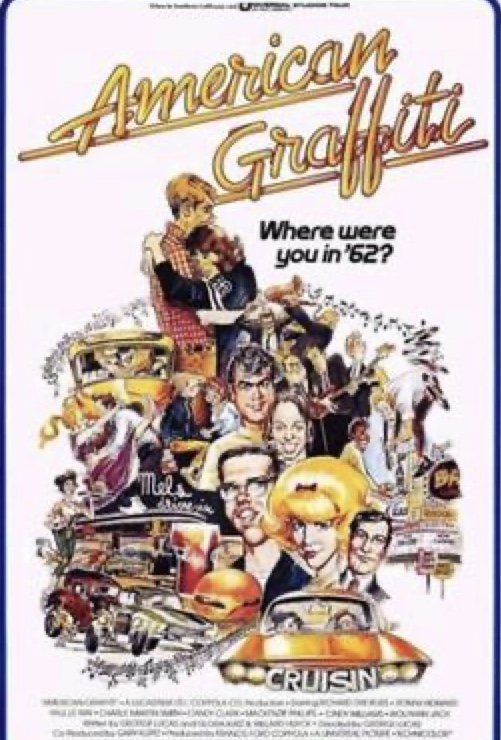
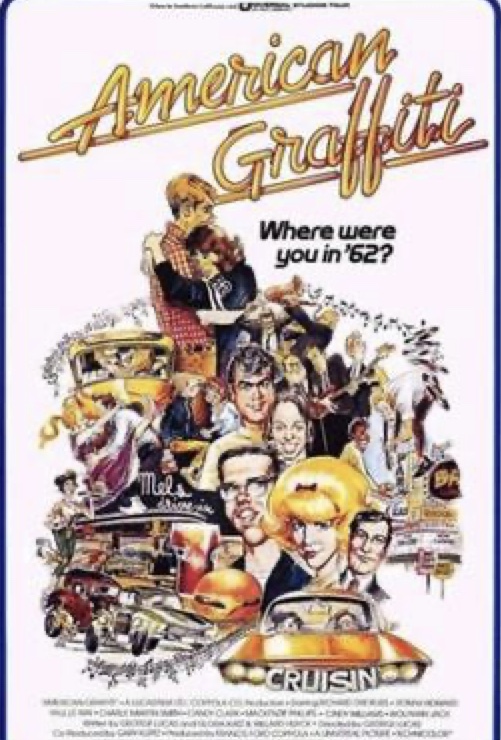
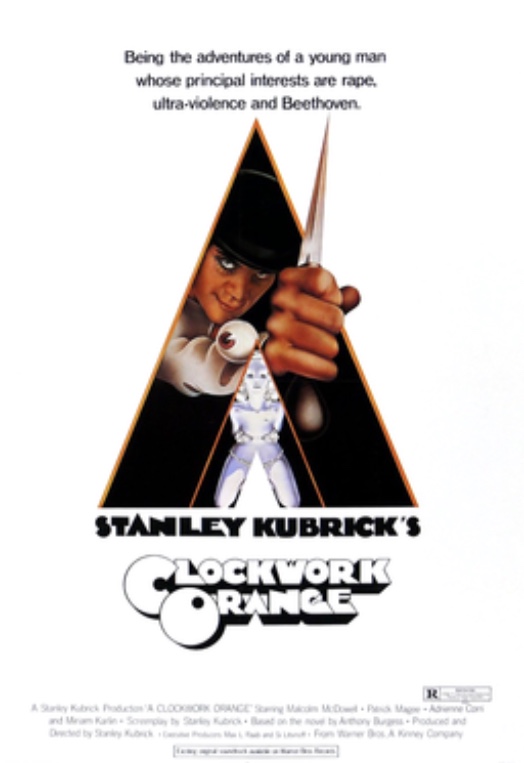
American Graffiti 32% v 68% A Clockwork Orange
Chinatown 65% v 35% The Taking of Pelham 123
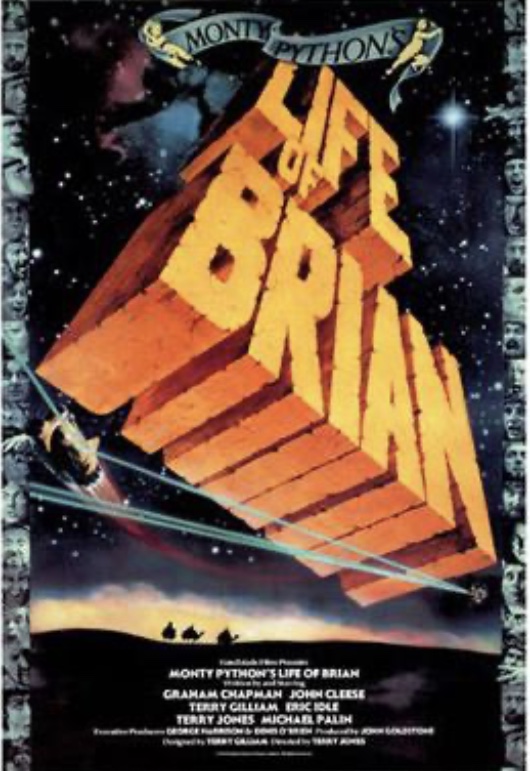
Monty Python’s Life of Brian 71% v 29% The Sting
Willy Wonka and the Chocolate Factory 53% v 47% Dog Day Afternoon
My latest movie article for the Seaside News can be found on page 40 of the magazine.
Clara Bow’s thirty-eighth movie was It, her career-defining film. Produced between October 7 and November 6, 1926, It was released on February 19, 1927. Clara played shopgirl, Betty Lou Spence.
Co-star Priscilla Bonner said of Clara: “Clara always ‘gave’ to me in a scene. She worked with the other actor, and she worked hard. Always on time, very businesslike, and absolutely no ‘star temperament.’”
Variety said: “This Bow girl certainly has that certain ‘It’ for which the picture is named, and she just runs away with the film.”
It broke box office records across America and made Clara Bow the icon of her generation.
From the backstreets of Brooklyn to the number one actress in Hollywood, Clara had been on quite a journey. Where could she go from here?
The Mastodon 1970s Mega Movie Poll, First Round
Taxi Driver 69% v 31% Don’t Look Now
Twilight’s Last Gleaming 74% v 26% Go Tell the Spartans
Round Two
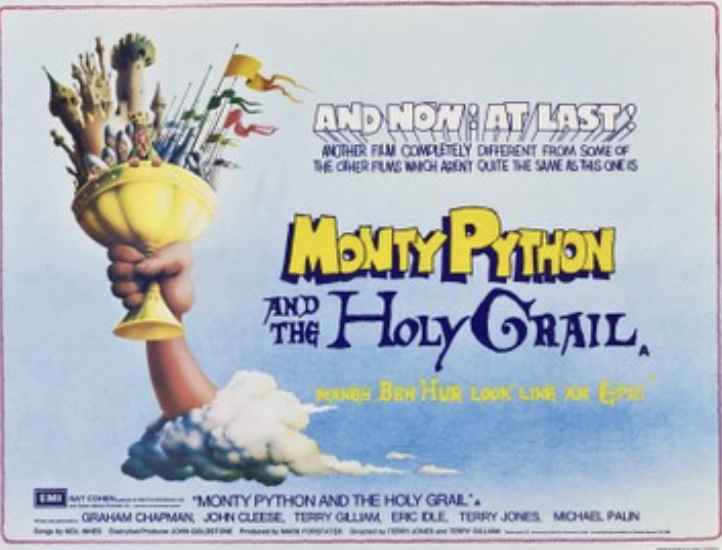
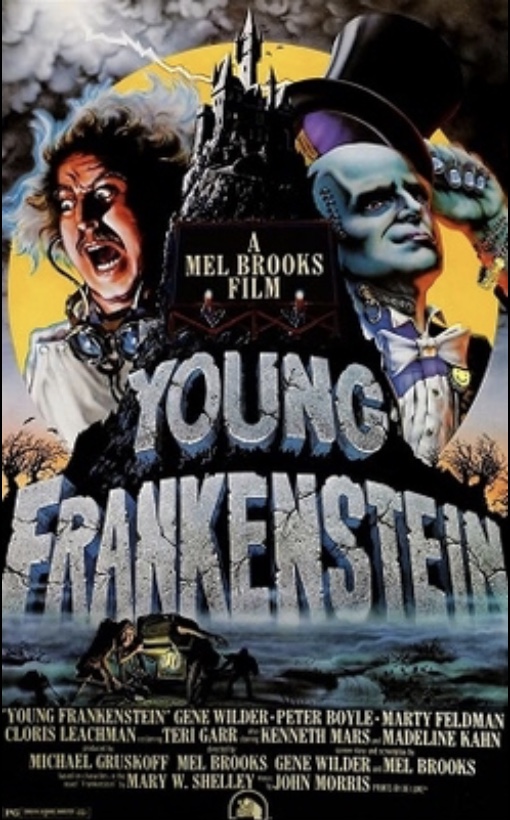
Monty Python and the Holy Grail 62% v 38% Young Frankenstein
I’m outlining a novel set in 1918 and the Hero was proving elusive. So, I asked my youngest son, who has a deep knowledge of WW1, how could a soldier leave the war, alive, before its conclusion? There are several answers, of course, but he said “desertion” and the Hero, and the conclusion of the book, came to life. The working title is The Ninety-Three (the initial idea arrived when I thought, what if you turn everything about The Thirty-Nine Steps around?)
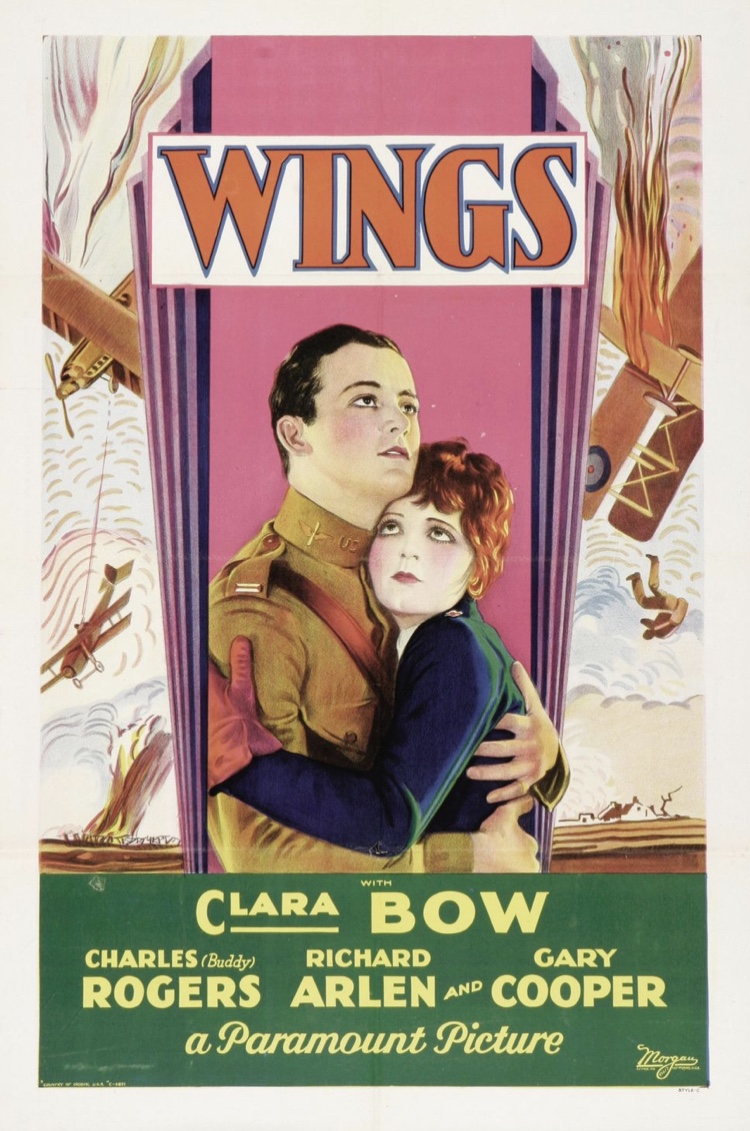
In terms of production, Clara Bow’s thirty-seventh movie was Wings, September 7, 1926 – April 7, 1927. General release, January 5, 1929. Clara played Mary Preston.
Wings was a homage to First World War fighter pilots. As Clara rightly observed, it was a buddy movie and she was only added to the cast because she was red hot at the box office. Clara’s appearance guaranteed that the movie would be a success. Furthermore, the quality of the film, and the amazing stunt flying, ensured that Wings won the first ever Academy Award for Best Picture.
Born Mary Ann Howe on 2 September 1879, but known in the family as Auntie Ann, my great grandaunt lost a leg as a child. Apparently, she fell out of a tree. Family legend states that the surgeon removed her leg, which presumably had become infected, on the kitchen table. This legend stems from Auntie Ann’s sister, Edith who, being present, is obviously a good source.
Auntie Ann kept house for her brother, Evan, a limestone quarryman. She had a penchant for snuff and used to take a pinch whenever she visited Edith. She lived in Lilac Cottage, pictured, a building that did not have indoor running water. She would gather her water from a pump in the garden.
A dressmaker, and due to the family allotment largely self-sufficient, Auntie Ann made her own lemonade. One day, her still exploded, showering her kitchen with lemonade. She had a number of idiosyncrasies including a refusal to handle copper coins. Consequently, she insisted on paying tradesmen in ten shilling or pound notes. Maybe she told them to keep the change?
With her crutch under her arm, Auntie Ann remained mobile well into her eighties. She died on 3 April 1966 aged eighty-six with her sister Edith and brother Evan at her side.
***
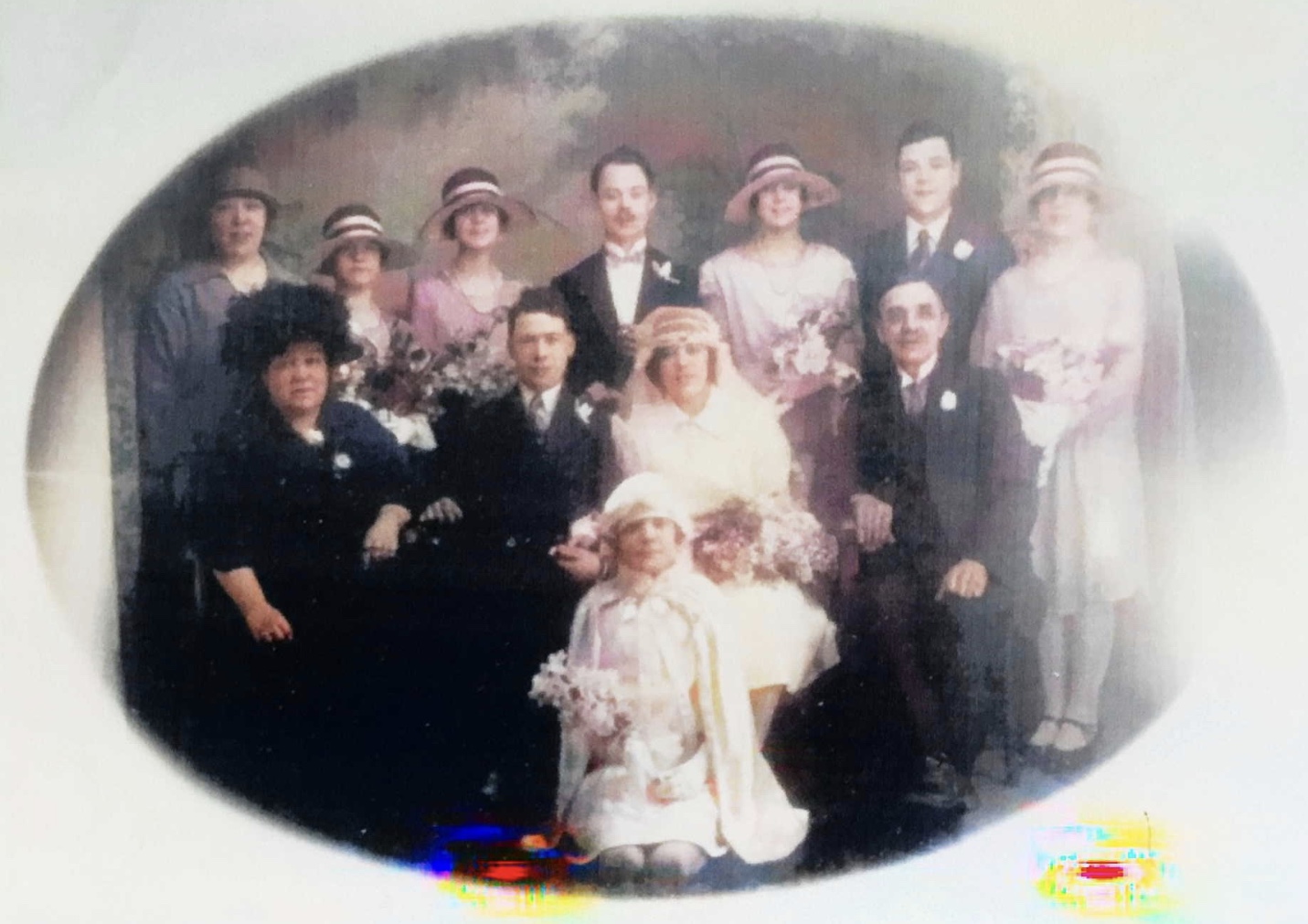
A wedding in London, 20 February 1927. My 2 x great grandmother Jane Dent is seated on the left and her husband, my 2 x great grandfather William Stokes, is seated on the right. The bride is their daughter Louisa Elizabeth Stokes. William was a master carpenter while Jane was a teenager in Whitechapel during the terror of Jack the Ripper.
Colourised, hence the flashes on the bottom.
The Mastodon 1970s Mega Movie Poll Round One Continued
Apocalypse Now 67% v 33% Silent Running
The Last Picture Show 73% v 27% A Woman Under the Influence
Some exciting news. Nelmari Marais, who has already done an excellent job translating a number of my books, will translate Tula into Afrikaans. More translations will follow, but I’m especially pleased that Nelmari will translate the Afrikaans version of the book.
One of the highlights of my writing career to date, the Bulgarian version of The Hermit of Hisarya, Sam Smith Mystery Series, Book Five. In 2021, The Hermit of Hisarya was included in academic lectures in Bulgaria, discussing cultural studies and world literature, and the interrelation between cultural identity and the imagination.
Clara Bow’s thirty-sixth movie was Kid Boots a silent comedy produced between June 14 and July 26, 1926, and released on October 4, 1926. Clara played Clara McCoy. Eddie Cantor co-starred in his first film.
Clara was a very generous actress who assisted her fellow players. An example of her generosity can be found in Kid Boots. In one scene, Clara’s character was supposed to quarrel with Eddie Cantor’s character. They played that (silent) scene as a quarrel, but in reality, while conveying anger to the camera, Clara was offering Cantor words of encouragement.
Cantor offered this insight: “She told me, ‘be yourself’. She is. She is never camera conscious and acts on the set as she would in her home. While the camera ground away and caught all her pretty frowns, she was saying, ‘Eddie, ya doin’ fine! Just flash them banjo eyes and there ain’t nothin’ to it!’”
When Kid Boots opened in Manhattan, police were needed to control the crowds. Clara Bow, superstar, had well and truly arrived.
Through my 9 x great grandmother, Barbara Aubrey, I’m connected to the nobility. Meet my noble ancestors: Anne Dennis, the daughter of Sir William Dennis of Dyrham, Gloucestershire, and his wife Anne Berkeley, daughter of Sir Maurice, 4th Lord Berkeley. Anne married Sir John Ragland of Carnllwyd. They had at least two sons and three daughters, including Alice, my ancestor.
In 1555, with her second husband, Sir Edward Carne, Anne moved to Rome. The couple lived there until 1561, when Sir Edward died.
🖼️ Rome 1575
Meet my noble ancestors: Sir William Dennis
William Dennis was born c1470 in Gloucestershire, England. In 1494 he married Anne Berkeley, daughter of Sir Maurice Berkeley. The couple had six sons, two of whom were knighted, and seven daughters. Four of the daughters married knights, one married an esquire while the seventh became a nun at Lacock Abbey.
Sir William died on 22 June 1533, probably in Dyrham, Gloucestershire.
📸 A latticed window in Lacock Abbey, photographed by William Fox Talbot in 1835. This may be the oldest extant photographic negative made in a camera.
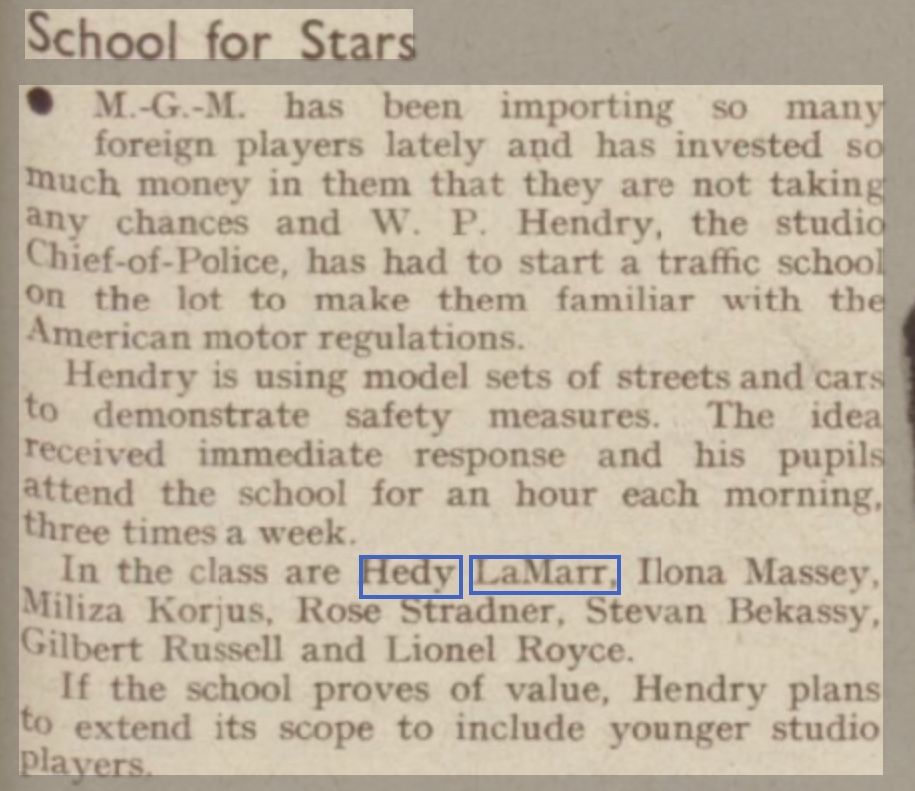
It’s December 1937 and Hedy Lamarr has arrived in Hollywood. One of her first tasks is to becoming familiar with the American way of driving by taking lessons at MGM’s driving school.
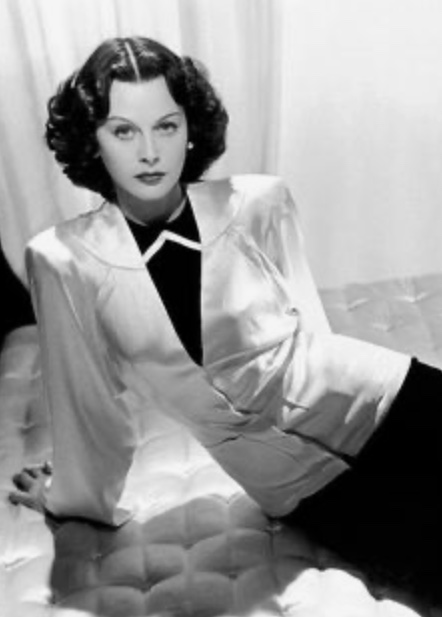
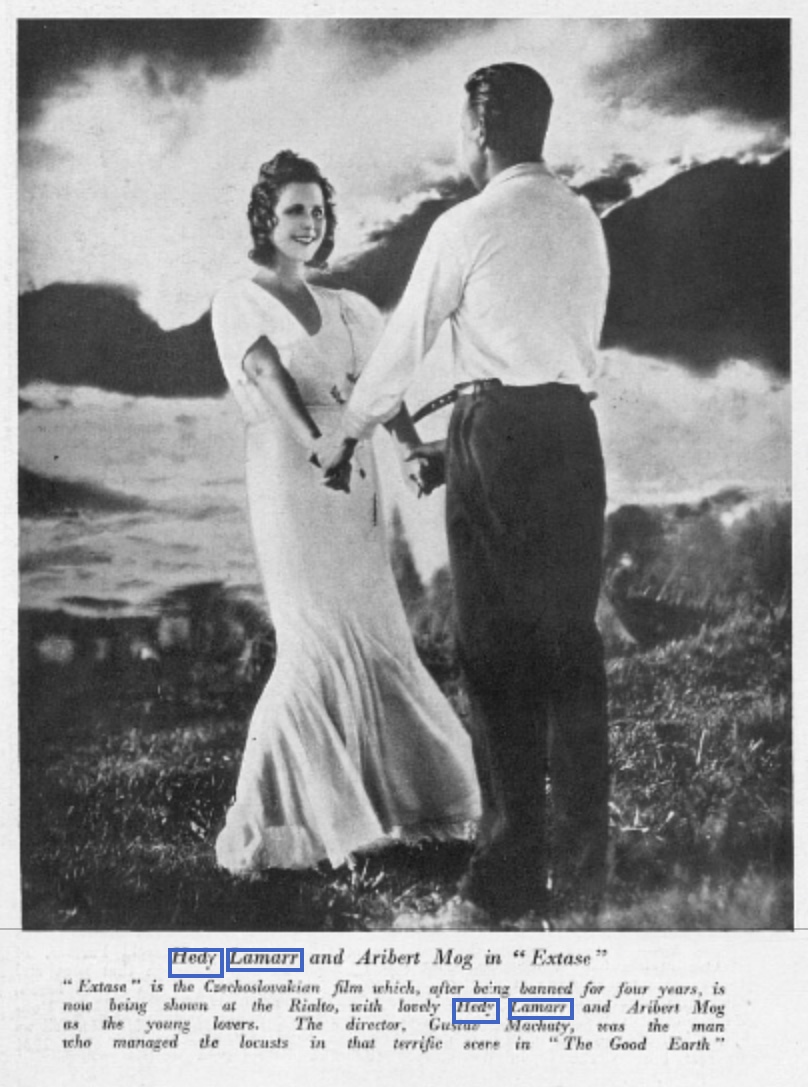
February 1938 and Hedy Lamarr is making her way in Hollywood. Meanwhile, five years after its release, the media focus is still on her controversial movie Ecstasy. However, many censors have decided to unban the film, so the media coverage of Hedy is, slowly, becoming more mainstream.
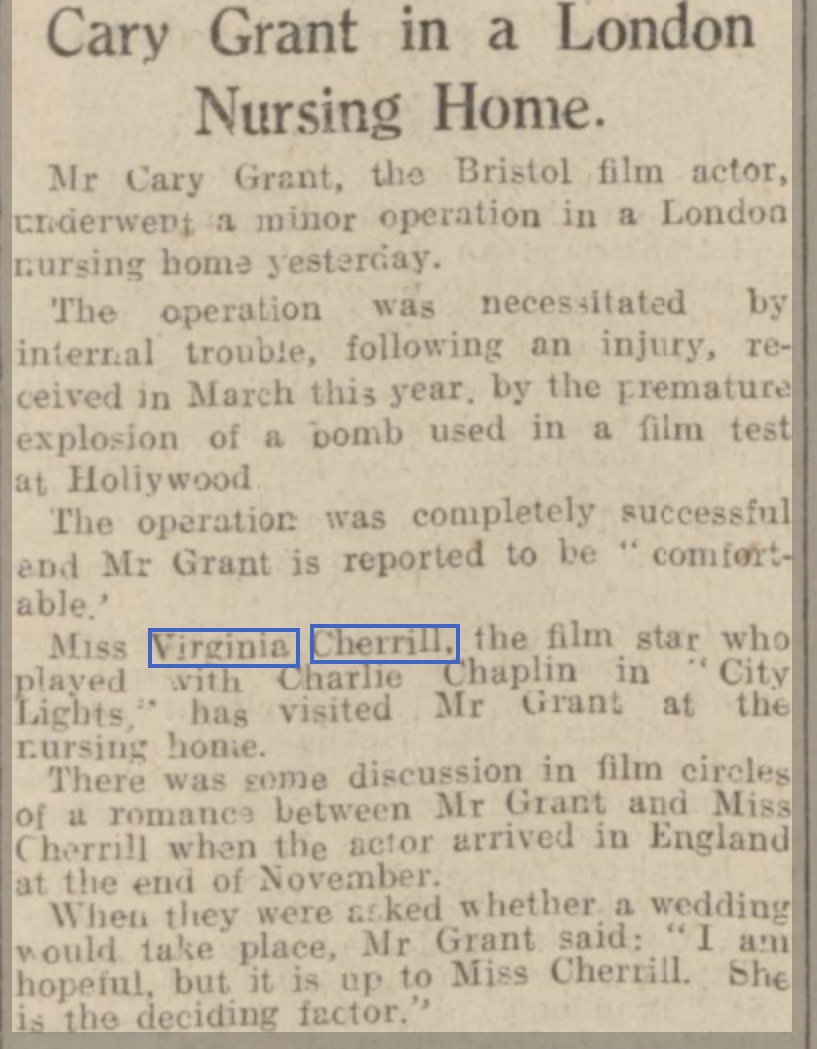
Mid-December 1933 and the newspapers were carrying reports that Cary Grant was in a nursing home. He’d travelled across the Atlantic in pursuit of Virginia Cherrill in an attempt to persuade her to marry him. She was very reluctant and kept pouring cold water over their romance. Randolph Scott, Grant’s housemate, had also arrived in London and the trio planned to spend Christmas together.
Early January, 1934. Cary Grant and Virginia Cherrill were to wed. Then their wedding was postponed. Grant was still in a nursing home. A rumour circulated that he was recovering from nervous exhaustion. Their on-off marriage was still on-off and mystery surrounding one of Hollywood’s most peculiar relationships continued.
The Mastodon 1970s Mega Movie Poll Round One Continued
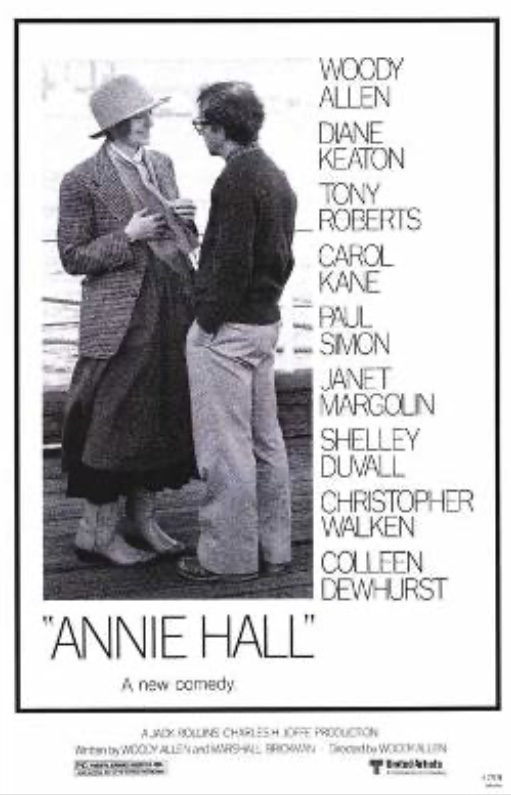
Annie Hall 22% v 78% Monty Python’s Life of Brian
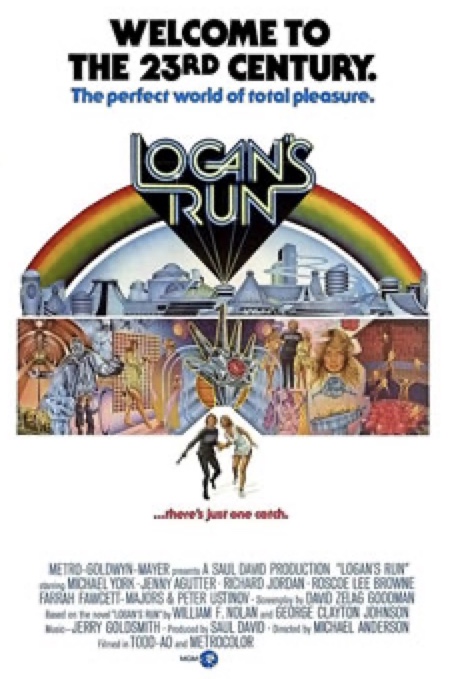
Star Wars 74% v 26% Logan’s Run
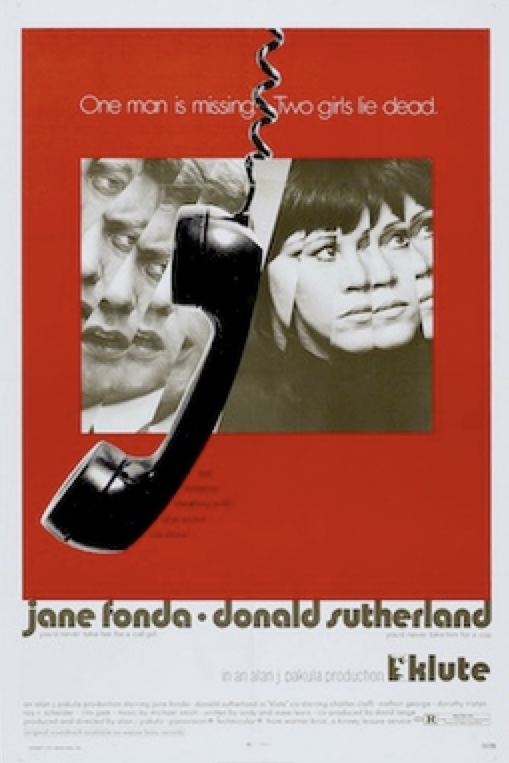
Dog Day Afternoon 72% v 28% Klute
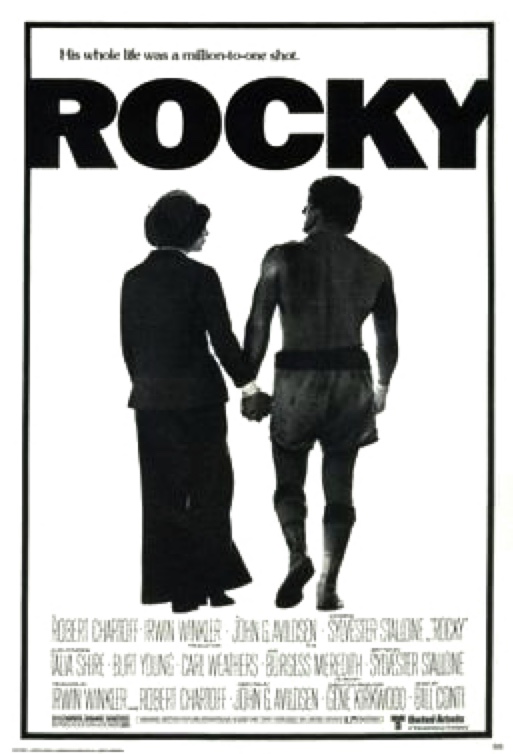
Rocky 42% v 58% Mad Max
Network 76% v 24% Airport ‘77
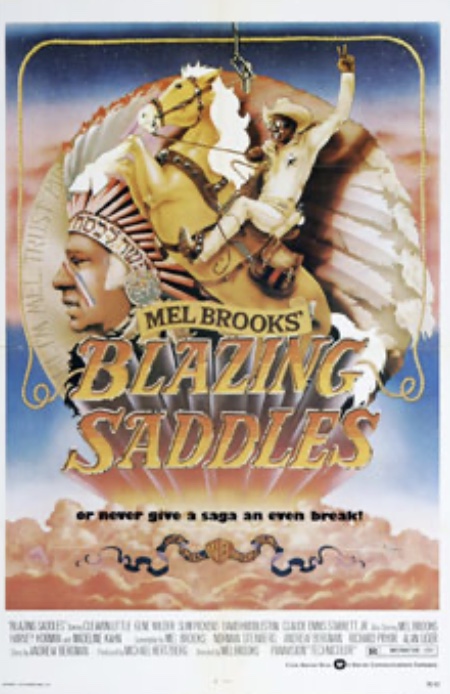
Blazing Saddles 49% v 51% Young Frankenstein
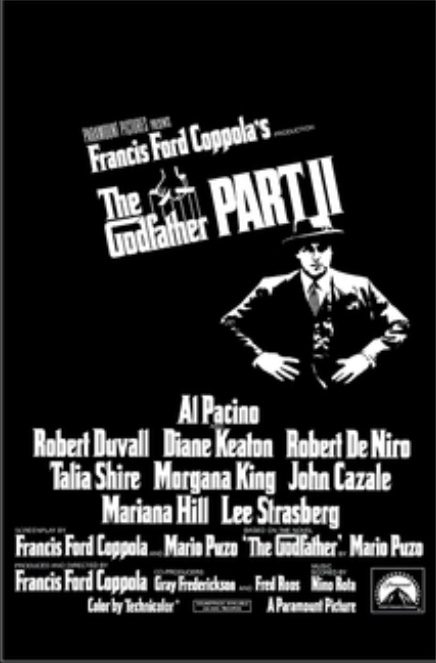
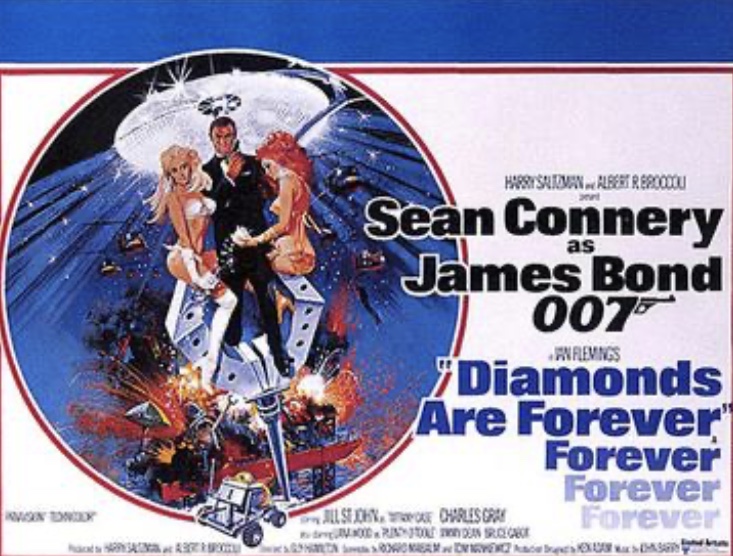
The Godfather Part II 59% v 41% Diamonds Are Forever
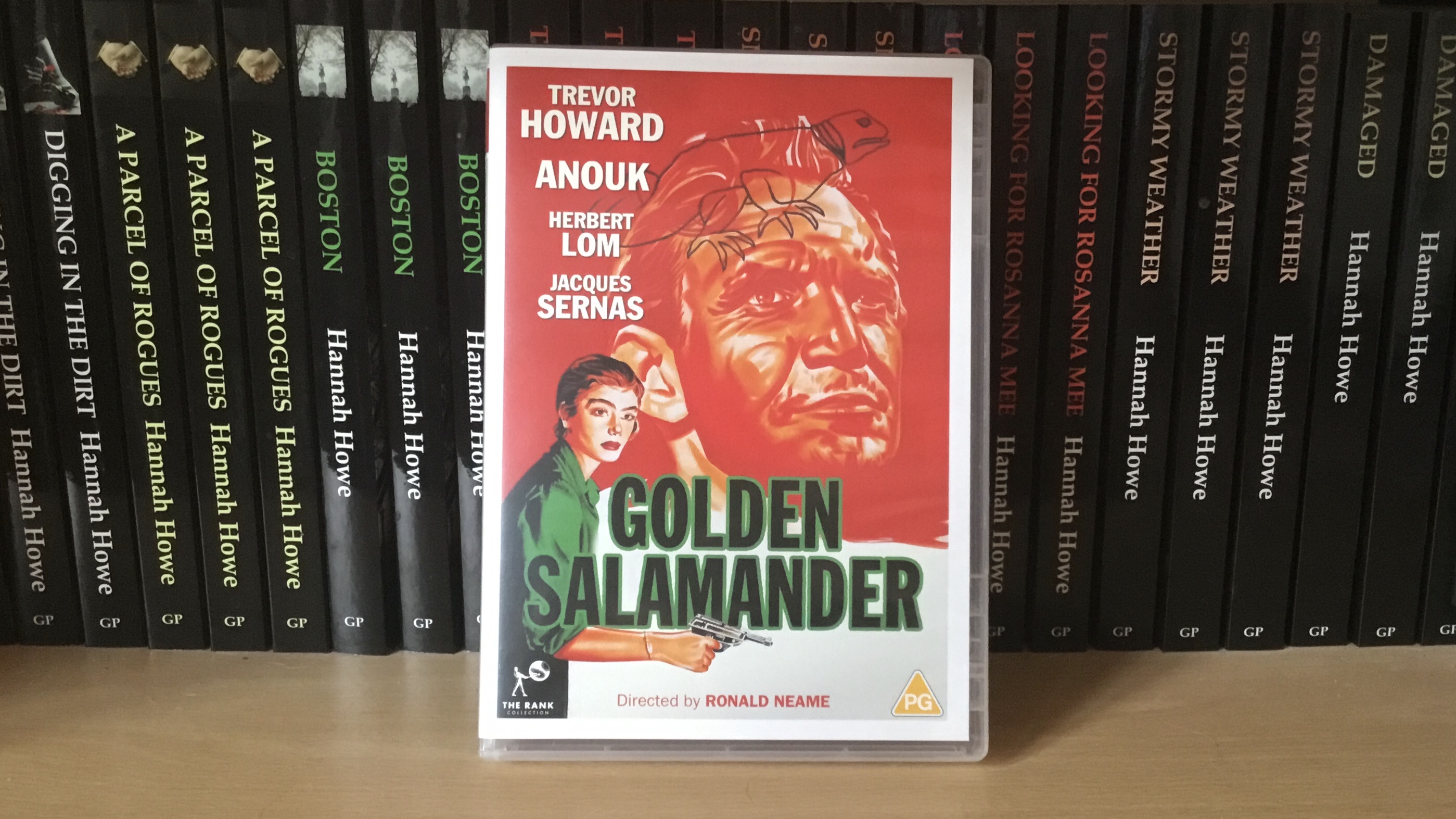
I watched this movie this week. Golden Salamander is a decent thriller with moments of genuine suspense. Trevor Howard, as an archeologist who stumbles upon gunrunning, is as solid as ever while Anouk Aimee in an early role is an attractive heroine. The location filming in Tunisia adds to the atmosphere. Wilfred Hyde-White features as a bar pianist (did every thriller c1950 feature a bar pianist?! 🤔). Capital entertainment, as they used to say.
From a number of high-quality auditions, we have selected our narrator for Tula, my novel set in the Golden Age of Hollywood. Amelia Mendez is a voice actor with over fifteen years experience in storytelling, acting, and producing. She has a lovely voice and we think she is ideally suited to narrate Tula’s story. We anticipate that it will take around two months to produce the audiobook. I’m very excited about this project and can’t wait to get started 🙂
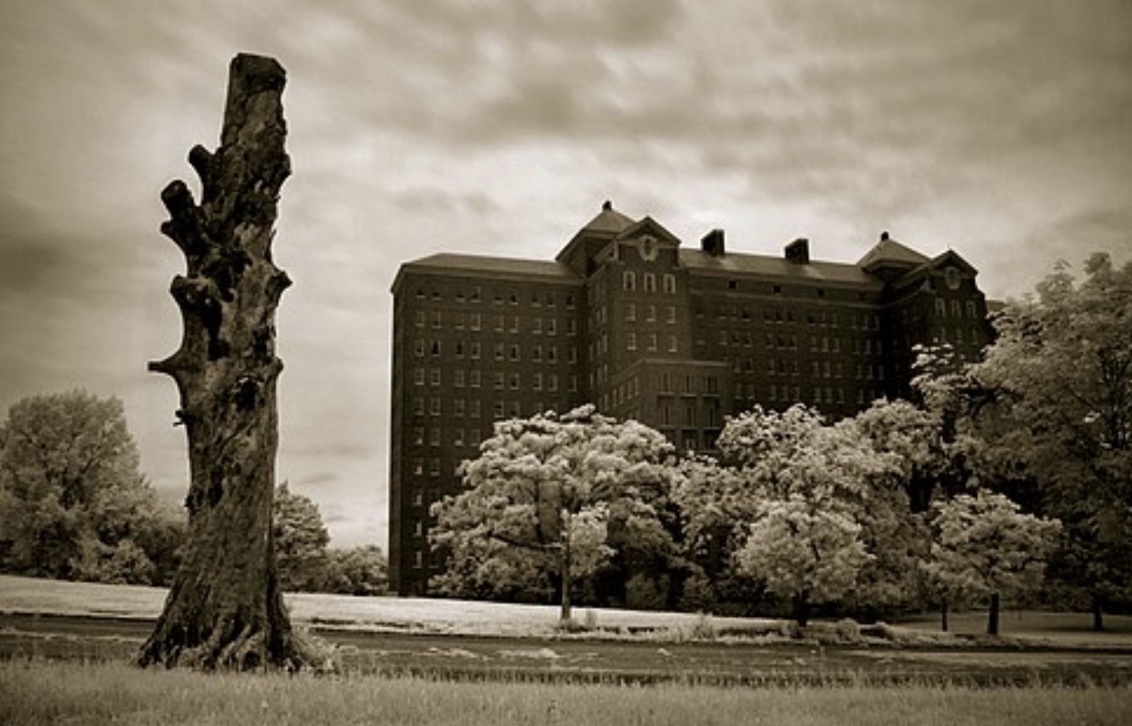
The opening chapter of my Golden Age of Hollywood novel, Tula, takes place in Kings County Asylum, Brooklyn, where Tula introduces her story. The asylum looks bleak, and it was. The building was smaller when Tula was there; additional storeys were added in the 1930s.
Research for Sunshine, book two in my Golden Age of Hollywood series.
Marie Meyer (January 17, 1899 – May 24, 1956) was a barnstorming pilot, a wing-walker and a parachutist. In the 1920s, she created the Marie Meyer Flying Circus. Her pilots included the man who made the first transatlantic solo flight, Charles Lindbergh.
📸 Marie on the top wing, 1924.
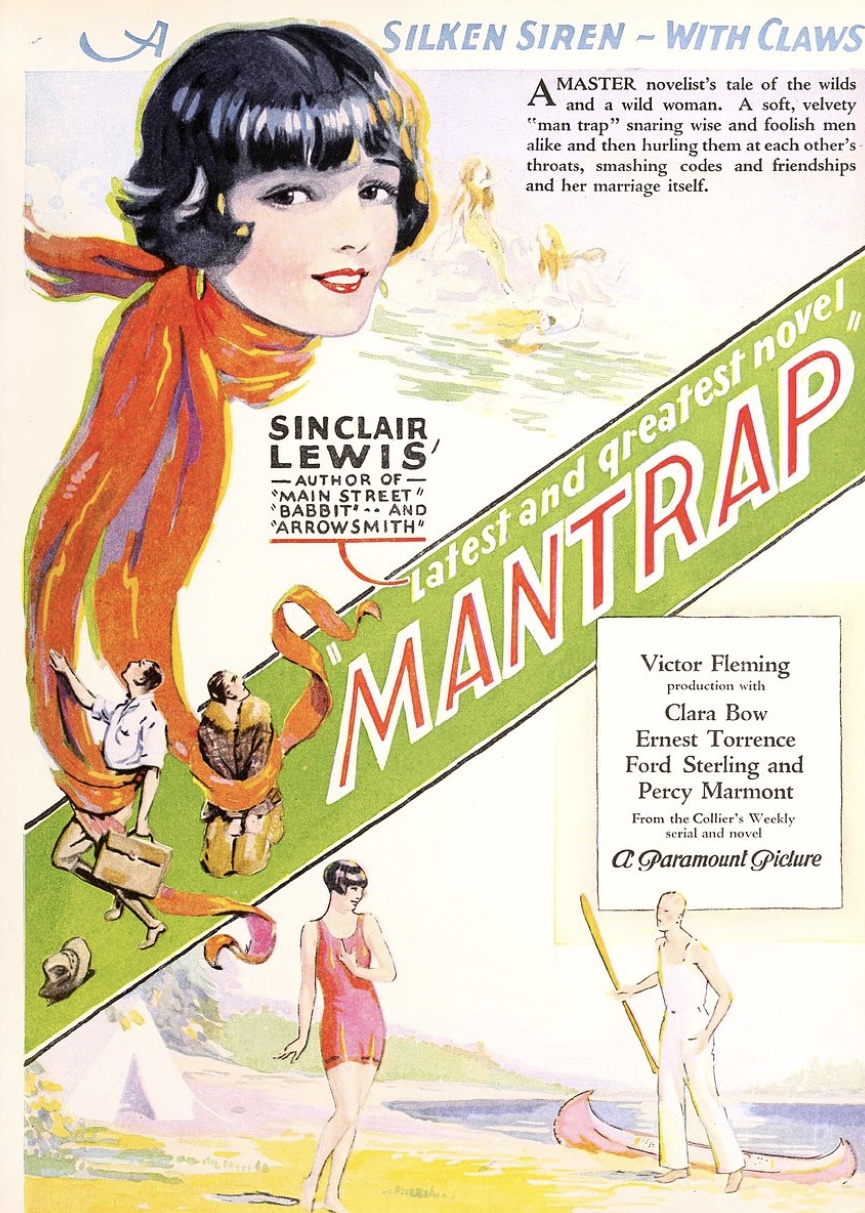
Clara Bow’s thirty-fifth movie was Mantrap a silent comedy directed by Victor Fleming. Fleming also directed The Wizard of Oz, Gone with the Wind, and many others.
Mantrap was produced between April 7 – May 12, 1926 with location shooting at Lake Arrowhead, California, and released on July 24, 1926. Clara played Alverna, a flirtatious manicurist.
Clara and Fleming had an affair, at the same time that Clara was conducting a relationship with actor Gilbert Roland. Indeed, affairs were commonplace during this phase of her life.
In the silent era, through no fault of her own, Clara Bow was the most undereducated star to make the grade. Furthermore, she was the only star at Paramount without a morals clause in her contract. Ironically, she was the star in greatest needed of one.
Clara needed guidance and Fleming, a much older man, offered that to some extent. But for Clara the person to thrive, someone at Paramount should have devoted time to her wellbeing. Instead, the studio’s focus was on the millions of dollars Clara was making for the company.
My ancestor Thomas Brereton was buried on 25 July 1817. His death seems to have triggered a series of tragic events.
Thomas’ son, Francis, was born on 24 January 1796. On 18 February 1818, Francis found himself at the Old Bailey, indicted for stealing, on the 13 November 1817, 60 printed bound books, value £10, the goods of Thomas Davies, Esq. A full transcript of the trial can be read here https://www.oldbaileyonline.org/browse.jsp?div=t18180218-18
Aged 22, Francis was found guilty and transported to Australia for seven years. On 23 March 1818, he was placed on the prison ship Retribution, moored at Woolwich. In July 1818, he set sail on the Morley, destination Sydney. He arrived on 7 November 1818.
A clerk, Francis had a florid complexion, brown hair and hazel eyes. He obtained a certificate of freedom on 10 March 1825. I have found no record to suggest that he returned to Britain.
Old Bailey c1800
Madeleine Carroll’s second British film was What Money Can Buy (1928) a story about a man who makes a bet that he can seduce a woman, a tale about “a woman’s soul.”
At this stage of her career, every newspaper report of Madeleine’s movies included a mention of her B.A. from Birmingham University. The column writers promoted her as an example of “the modern intelligent woman who seeks to combine a career with a family.” However, this was a challenge that lay ahead for Madeleine.
Charlie Chaplin and Virginia Cherrill did not get on during the making of City Lights. He was a perfectionist, she was casual about acting; he fancied her, she didn’t fancy him. Nevertheless, in this article dated December 1933 Virginia was full of praise for Chaplin describing him as a ‘genius’, ‘unorthodox’ and a ‘colossal worker’ who understood what audiences wanted.
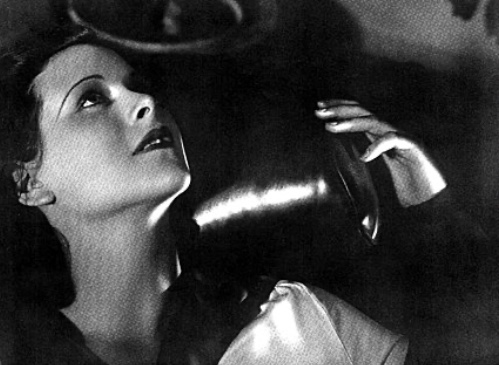
In 1933, Hedy Lamarr featured in Ecstasy, a movie that would shape her life and career. Banned in America and Germany, the film won awards in Europe where it was regarded as a work of art.
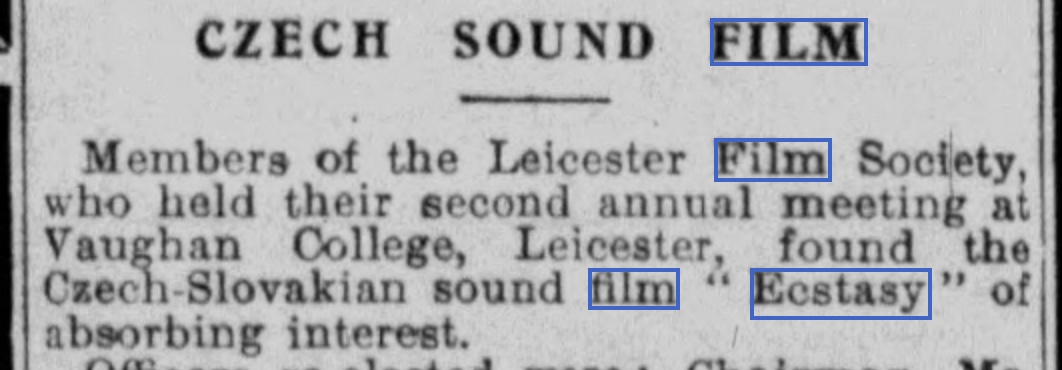
Ecstasy received its first mention in the British press on 22 May 1933. The reaction? Members of the Leicester Film Society found the film “of absorbing interest”. However, Hedy’s, and Ecstasy’s, story had only just begun…
May 1933, and a good concise report on Hedy Lamarr’s film career and personal plans. Given Hedy’s anti-Nazi stance during World War II, the last paragraph is particularly fascinating.
November 1933
Arms manufacturer Fritz Mandl’s (futile) attempts to suppress Hedy Lamarr’s controversial movie, Ecstasy. He married her after she’d made the film, then objected to it. Mandl also insisted that Hedy should retire from screen and stage acting, and refuse to have her picture taken. Needless to say, the marriage did not last.
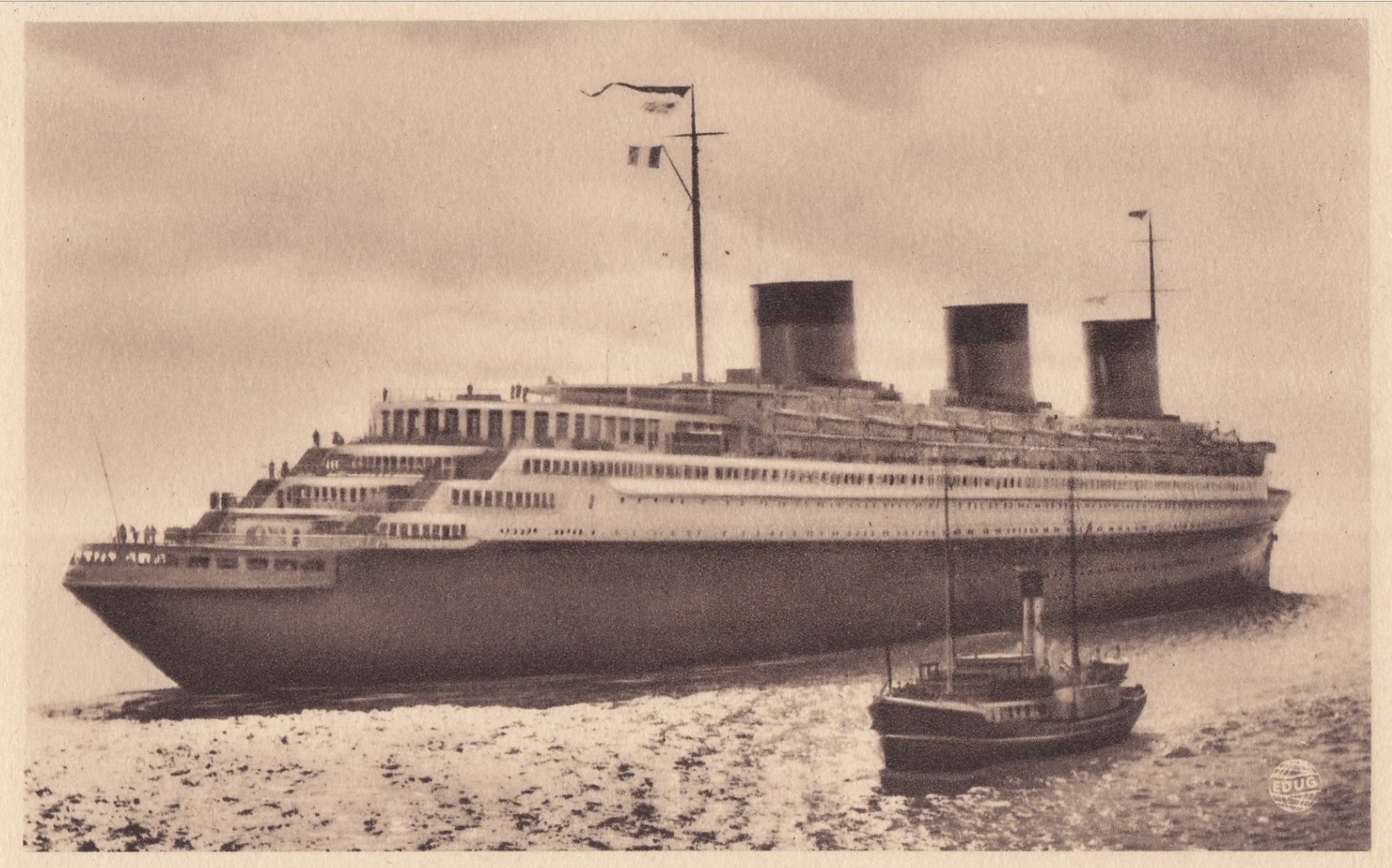
In the spring of 1937, Hedwig Kiesler, disguised as her maid, made her escape from her first husband, Fritz Mandl. She made her way to London, then on to Southampton. On September 25, 1937, she boarded the Normandie, (pictured) and set sail for New York.
On her travel documents, Hedwig described herself as 5’ 7” tall, fair complexion, brown eyes, brown hair. She claimed that she had no intention of seeking citizenship in America.
Hedwig boarded the Normandie with actress Sonja Henie. Earlier that day, in Le Havre, movie producer Louis B. Mayer also boarded the ship. Over the following five days Hedwig and Mayer became well acquainted to the extent that when Hedwig stepped off the Normandie in New York she was ready to embrace a new name, Hedy Lamarr, and a career in Hollywood.
Mastodon 1970s Mega Movie Poll
First Round
Capricorn One 40% v 60% The China Syndrome
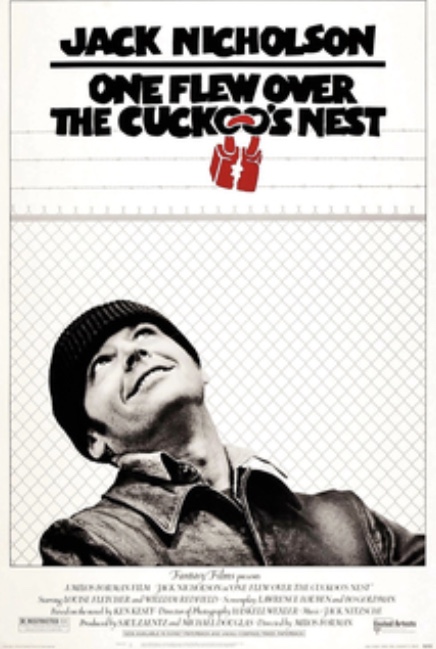
One Flew Over the Cuckoo’s Nest 25% v 75% Monty Python and the Holy Grail
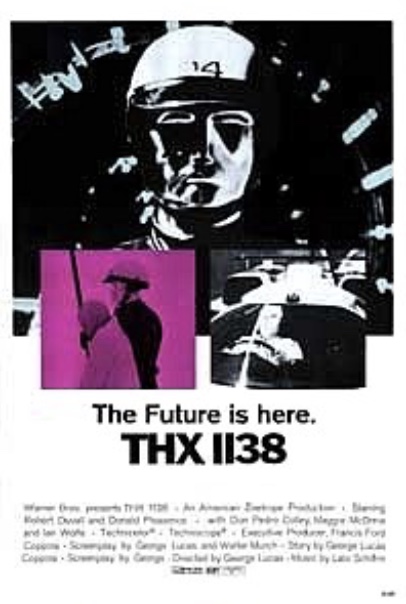
A Clockwork Orange 80% v 20% THX 1138
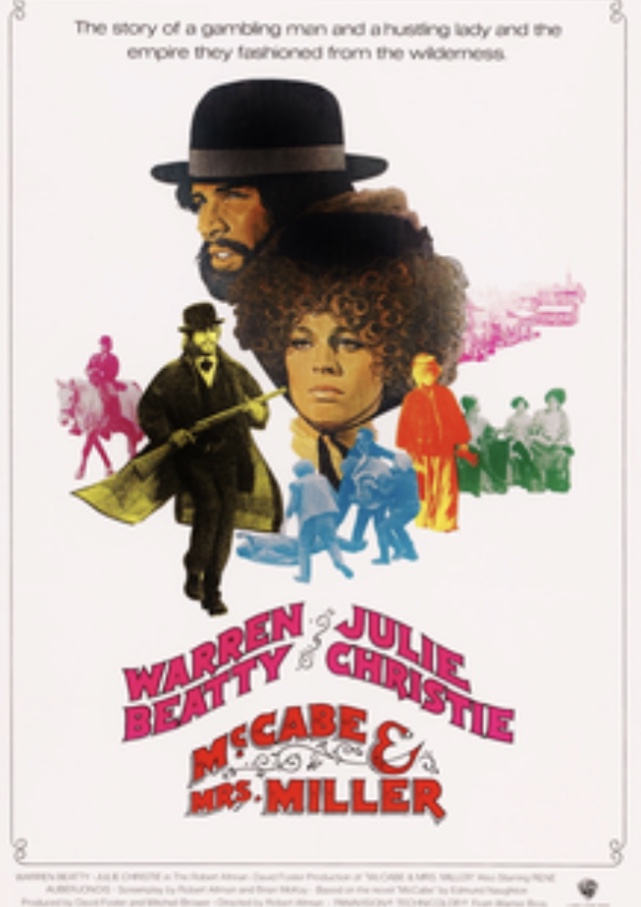
The Sting 78% v 22% McCabe and Mrs Miller
Slaughterhouse-Five 56% v 44% Time After Time
The Godfather 82% v 18% Marathon Man
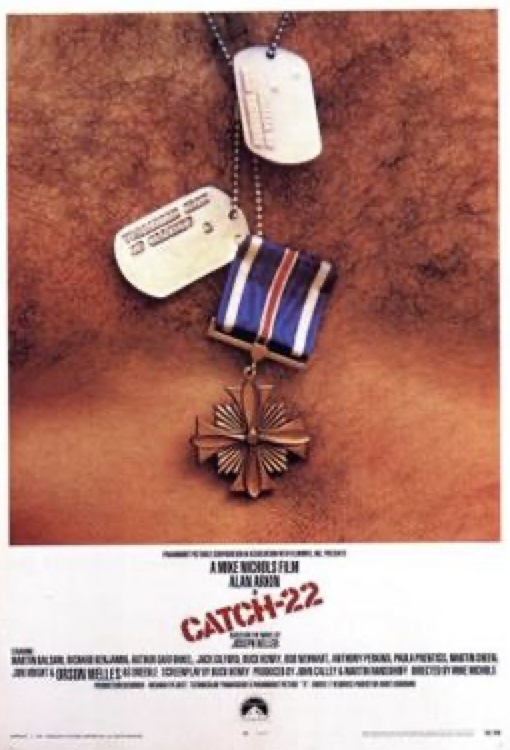
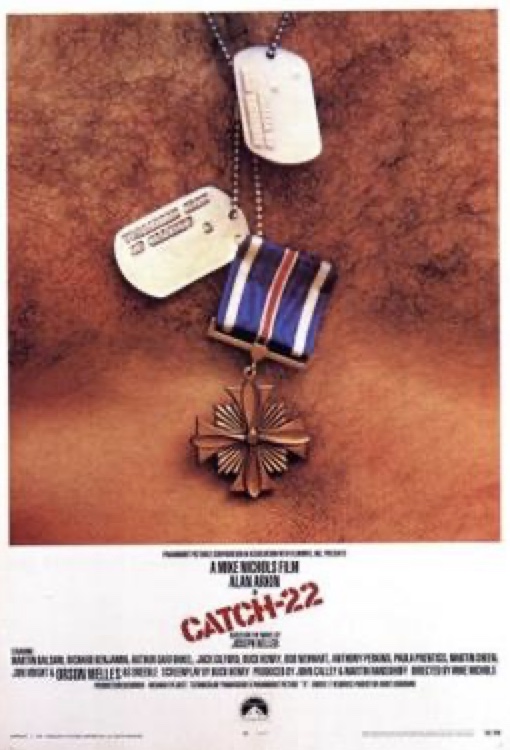
Catch 22 57% v 43% Kelly’s Heroes
My latest article for the Seaside News, about Charlie Chaplin’s City Lights, appears on page 40 of the magazine.





































 Hannah Howe