Categories
1920s

The 1920s #7

The first Tarzan comic strip began on 7 January 1929. However, his first appearance in print occurred in the October 1912 issue of The All-Story.

The Buck Rogers comic strip also began on 7 January 1929.

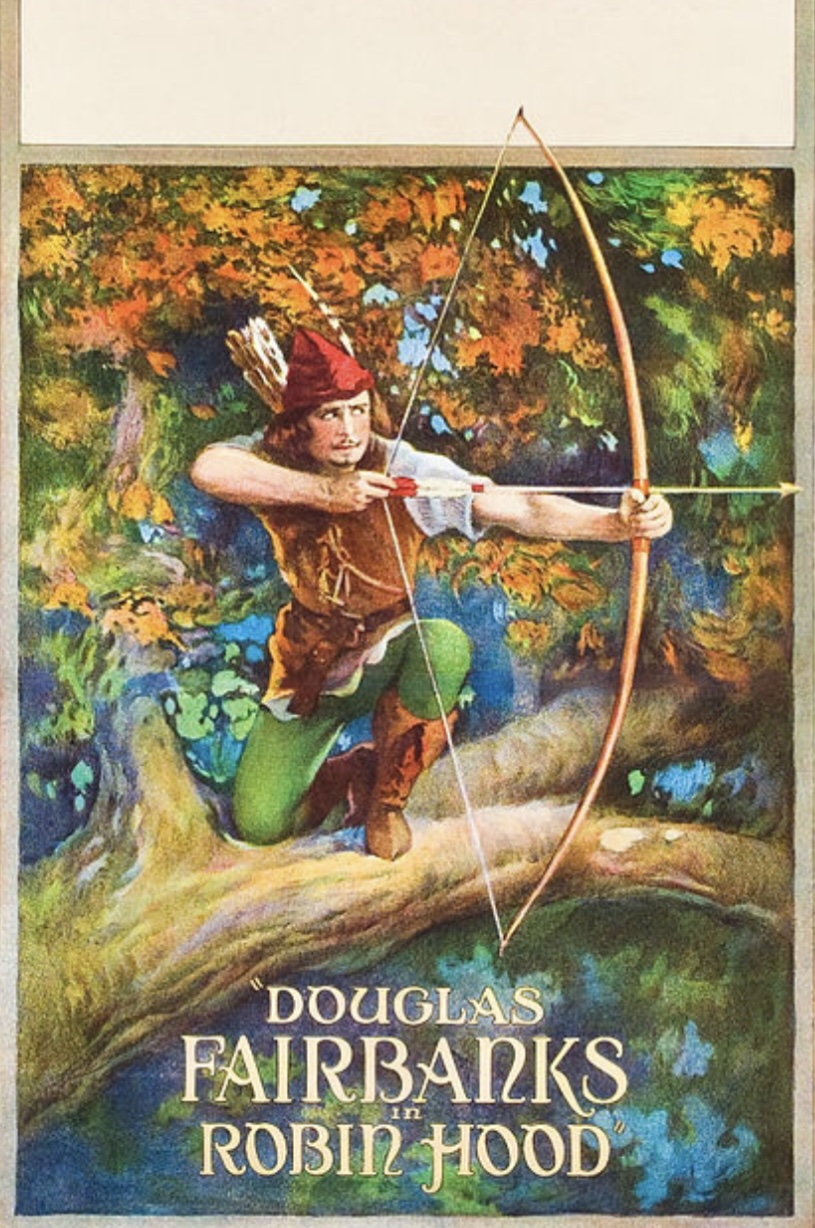
Douglas Fairbanks in Robin Hood (to give the movie its full title) was released on 18 October 1922. The film was the first ever to have a Hollywood premiere, held at Grauman’s Egyptian Theatre. With a budget of one million dollars (the equivalent of $18.2 million today) Douglas Fairbanks in Robin Hood was the most expensive number one ranked film of the decade.
On 13 October 1922, the 3-D silent movie Mars Calling was screened at New York’s Selwyn Theatre. The film ran for 95 minutes and demonstrated the Teleview process, which used alternate frame sequencing viewable through motorised stereopticons.

In the 1928-29 football season, The Wednesday won the first division league title for the third time, creating a new record. Formed in 1867 as an off-shoot of The Wednesday Cricket Club, The Wednesday changed their name to Sheffield Wednesday in 1929. The club holds the distinction of being the second-oldest professional association football club in England.

Graphic: Wikipedia

On 3 December 1926 mystery author Agatha Christie (pictured) disappeared from her home in Surrey. Eleven days later, journalist Ritchie Calder found her in a Harrogate hotel using the surname of her husband’s mistress.

Confession: I’ve never read an Agatha Christie book or seen a movie adaptation.

On 5 February 1924 a radio time signal was broadcast for the first time, from the Royal Greenwich Observatory, signalling Greenwich Mean Time. 

Greenwich Mean Time was first adopted in Britain in 1847 by the Railway Clearing House, and by most railway companies the following year. Gradually, GMT became the standard in other aspects of life.

A reminder that in Britain our clocks go back an hour this weekend.

The Shepherd Gate Clock at the gates of the Royal Observatory, Greenwich is permanently kept on Greenwich Mean Time (Wikipedia).

For Authors

#1 for value with 565,000 readers, The Fussy Librarian has helped my books to reach #1 on 32 occasions.

A special offer from my publisher and the Fussy Librarian. https://authors.thefussylibrarian.com/?ref=goylake

Don’t forget to use the code goylake20 to claim your discount 🙂

Categories
1920s

1920s #6

The first 24 Hours of Le Mans race took place on 26 and 27 May 1923, on public roads around Le Mans. Originally the race was planned as a three-year event, with first prize awarded to the car that travelled the furthest distance over three consecutive 24-hour races. This idea was abandoned in 1928.

French, British and Italian drivers and cars dominated the early events, with Bugatti, Bentley and Alfa Romeo featuring prominently.

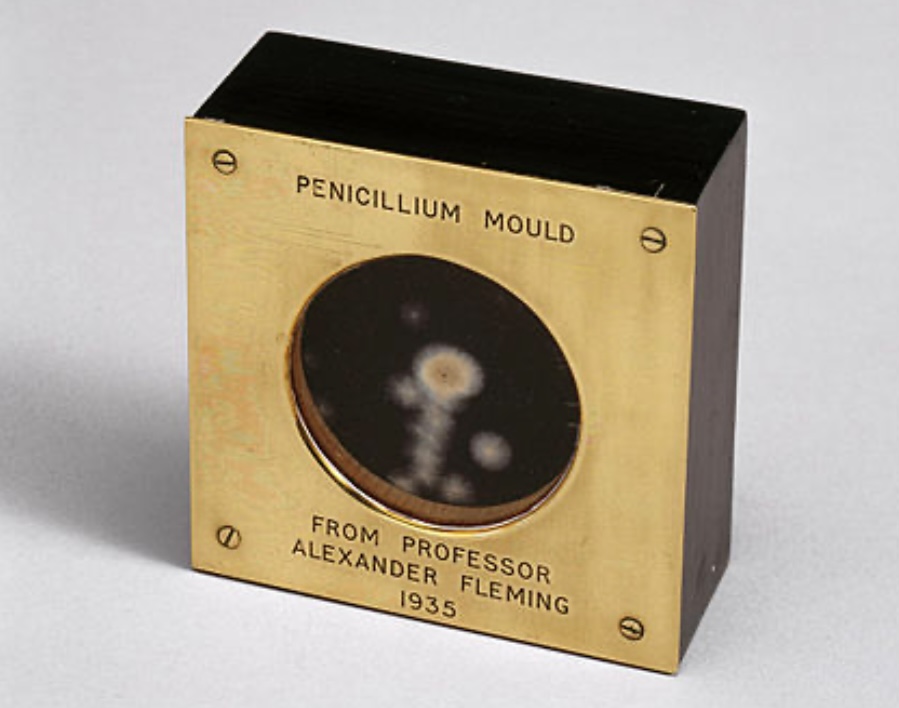
On 3 September 1928 Alexander Fleming observed by chance that fungal contamination of a bacterial culture appeared to kill the bacteria. He confirmed his observation with a new experiment on 28 September at St Mary’s Hospital, London. When Fleming published his experiment in 1929, he called the antibacterial substance (the fungal extract) penicillin.

Fun Fact: I’m allergic to penicillin. When prescribed a course as a teenager, I swelled up and turned bright green.

📸 Wikipedia

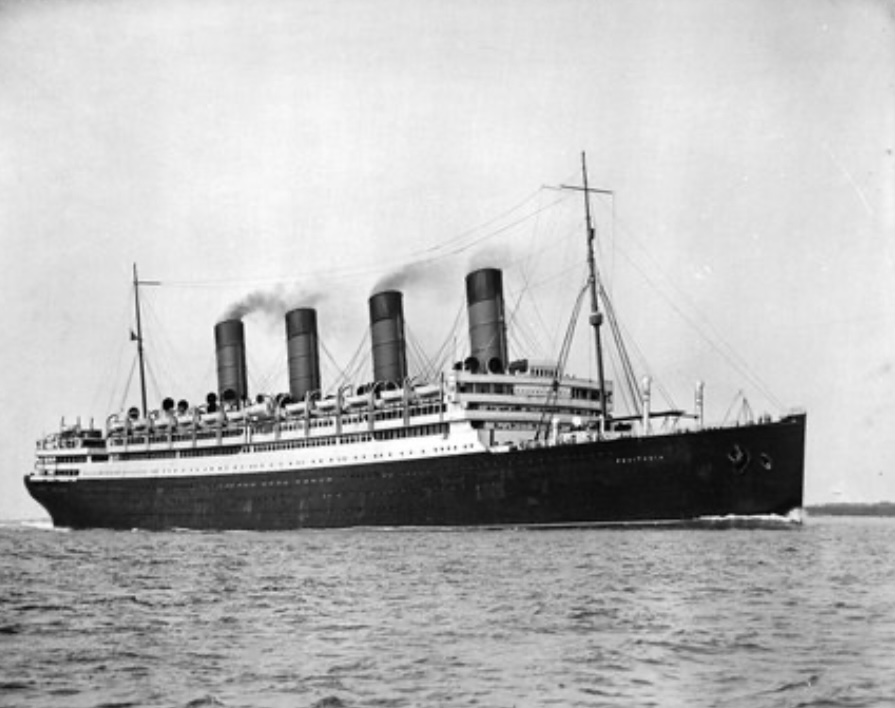
Before the 1920s, shipping companies made their money transporting immigrants to various countries, especially the United States. However, when the USA brought in stricter regulations for immigration many shipping companies turned to cruises to sustain their income. Instead of a means of transport only, the ships became floating hotels.

The Aquitana

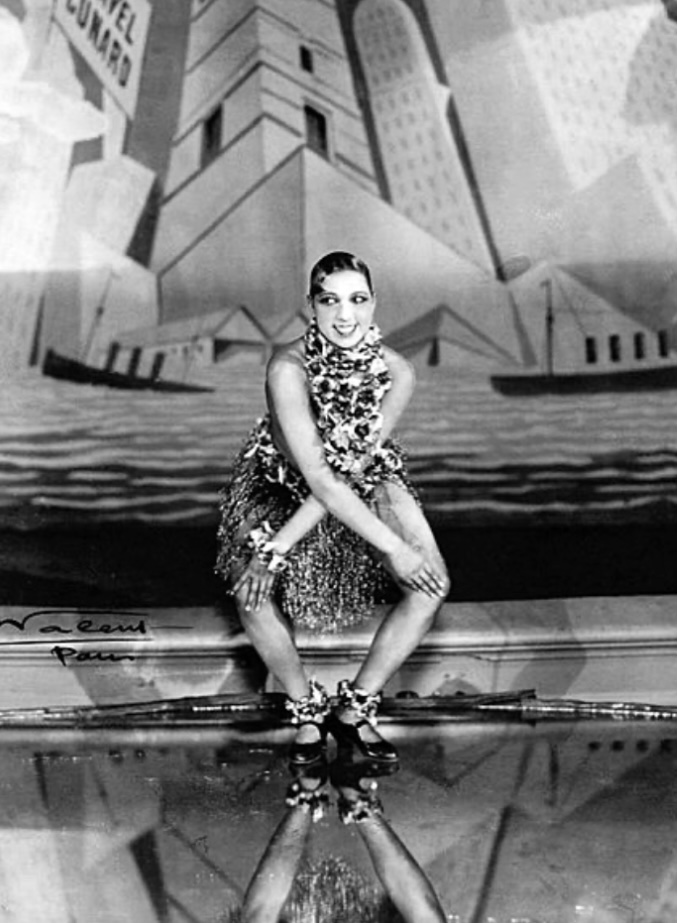
Joséphine BakerJune 3, 1906 – April 12, 1975), was an American-born French dancer, singer, and actress. Joséphine established her career in France where she appeared in movies and danced at the Folies Bergère in Paris. Her performances were a sensation and she became an icon of the Jazz Age.

During the Second World War, Joséphine Baker aided the French Resistance. After the war, she was awarded the Resistance Medal and the Croix de Guerre, and was named a Chevalier of the Legion of Honour.

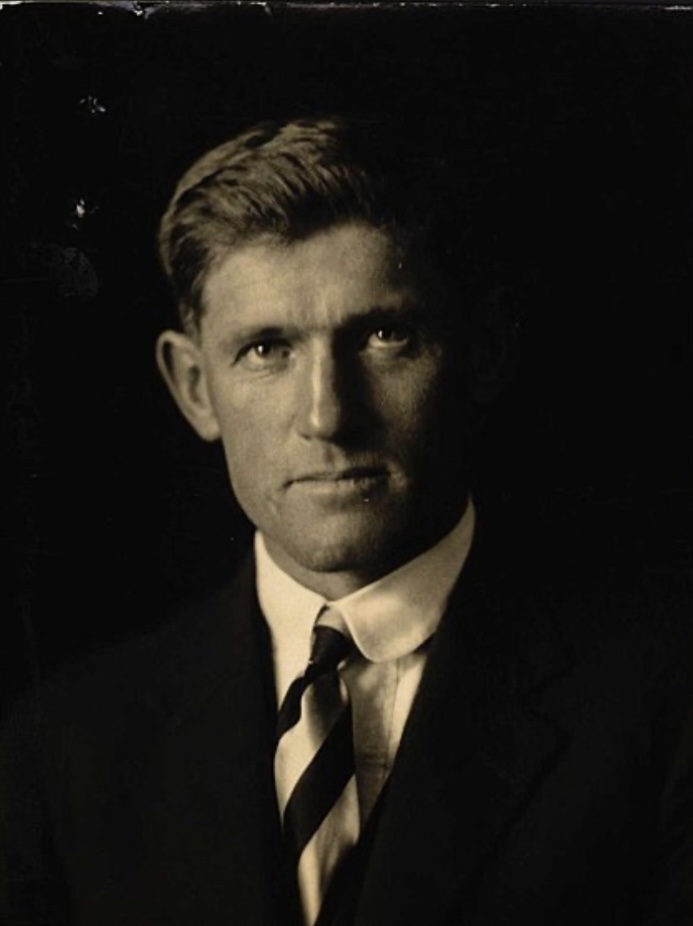
On Saturday, 3 January 1925 Cyril Brownlie of New Zealand (pictured) was sent off for foul play during a Test match against England, the first time anyone had been dismissed from the field of play in an international rugby union match. 

New Zealand won a bruising encounter, 17 – 11.

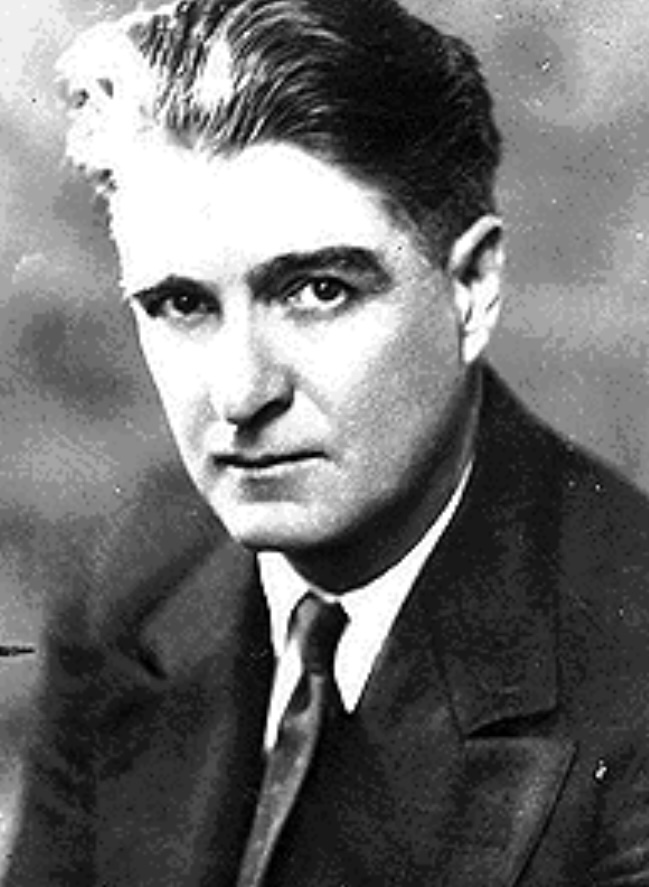
The first electric razor was patented in 1928 by the American manufacturer Col. Jacob Schick (pictured). A military officer, inventor, and entrepreneur, Schick founded Schick Dry Shaver Inc. 

Schick’s company did well and he moved most of his wealth to a series of holding companies in the Bahamas. This did not please the Joint Congressional Committee on Tax Evasion & Avoidance, so to avoid an investigation Schick became a Canadian citizen in 1935.

On March 28, 1920 “America’s Sweetheart” Mary Pickford and “Everybody’s Hero” Douglas Fairbanks married, thus becoming Hollywood’s first supercouple. 

They created a home, “Pickfair” (pictured), a mock-Tudor-designed six-bedroom house, which contained a screening room, glassed-in sun porch, bowling alley and billiard room. Unfortunately, as with many Hollywood unions, the marriage drifted towards divorce.

For Authors

#1 for value with 565,000 readers, The Fussy Librarian has helped my books to reach #1 on 32 occasions.

A special offer from my publisher and the Fussy Librarian. https://authors.thefussylibrarian.com/?ref=goylake

Don’t forget to use the code goylake20 to claim your discount 🙂

Categories
1920s

The 1920s #5

Cricket

In 1920-21, England toured Australia and became the first team to lose every match in a five-match Test series. On the return during the English cricket season of 1921, Australia continued their dominance, winning the first three Test matches. However, England did manage to draw the final two.

Jack Gregory, fast bowling tormentor of England, 1920-21.

In October 1927, Clarice Cliff (pictured) began test marketing her ‘Bizarre’ pottery range in Britain. Initially, her pottery sold for 7 shillings and 6 pence (35 pence). In 2004, Christie’s sold a Clarice Cliff 18-inch ‘charger’ (wall plaque) for £39,500.

Aviation

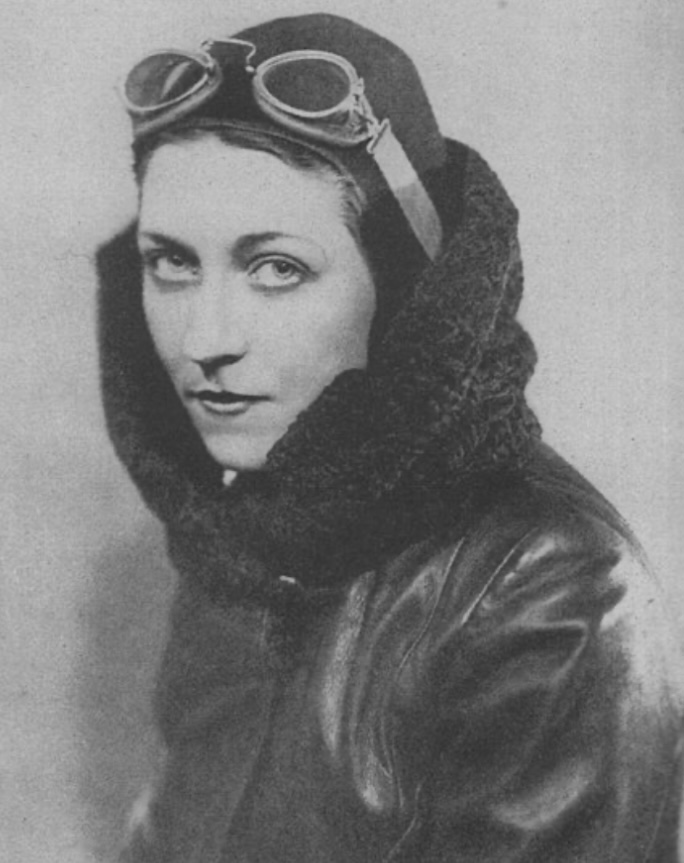
In 1929, Amy Johnson (pictured) obtained her pilot’s licence from the London Aeroplane Club. Later in the year she became the first British woman to obtain a ground engineer’s C Licence. In 1930, Amy was the first woman to fly solo from Britain to Australia.

Seaside Resorts

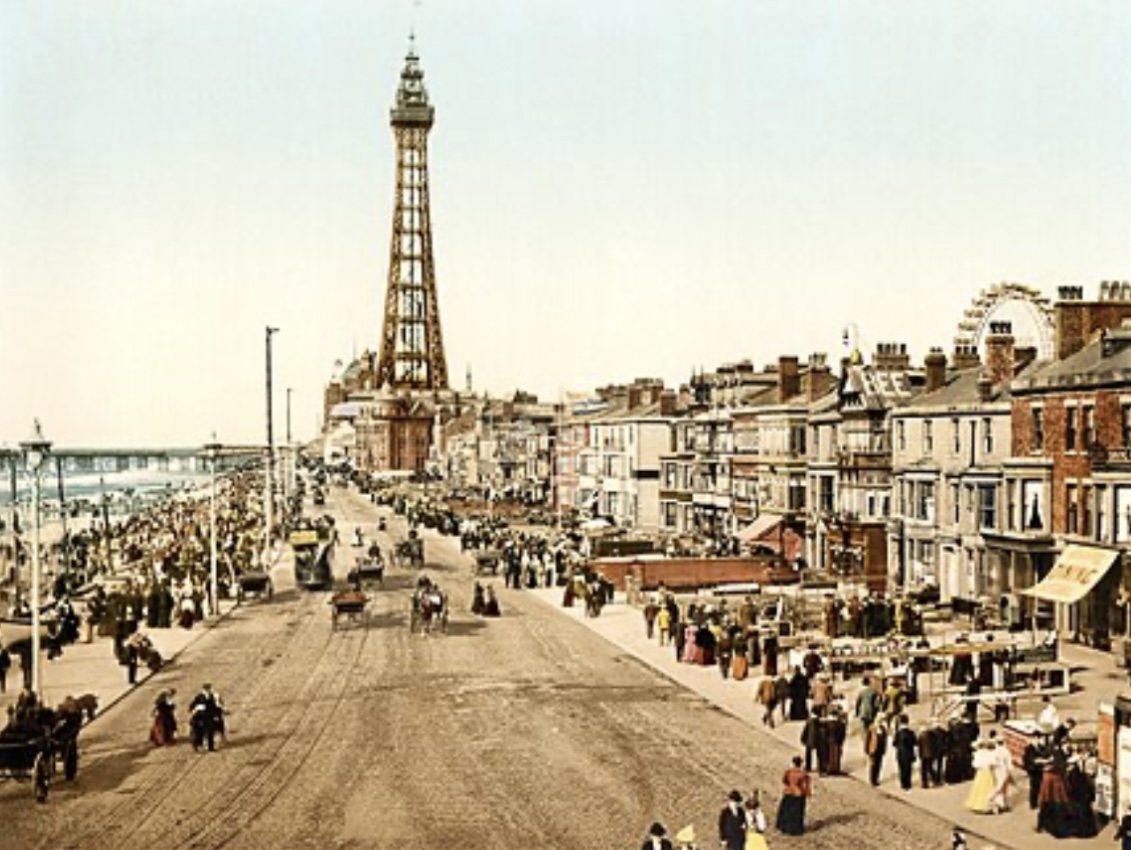
In the 1920s, a fortnight’s summer holiday by the seaside was a regular feature of working-class life. The practice started in the 1840s with the development of the railways. Entrepreneurs built accommodation in the form of hotels and bed and breakfast establishments. In places like Blackpool they also added fairground attractions, promenades and pleasure piers.

The cotton mills in the north of England would close during “wakes weeks” and people would flock to the seaside. Because beachwear was still considered immodest, proprietors provided bathing huts. During the 1920s, well over 100 British towns developed into seaside resorts.

Blackpool Promenade

On 17 January 1921, P.T. Selbit became the first magician to publicly “saw a woman in half”. He performed this illusion at the Finsbury Park Empire, London. 

In 1913, Selbit, with the aid of an attractive woman, performed the illusion of “walking through a brick wall”, a year before Harry Houdini performed the same trick. The two men entered a dispute over who invented the illusion. Spoiler: the magician or his assistant used a trapdoor that went underneath the wall.

In front of an audience more interested in the camera than the potential gore unfolding, P.T. Selbit “saws a woman in half”. 

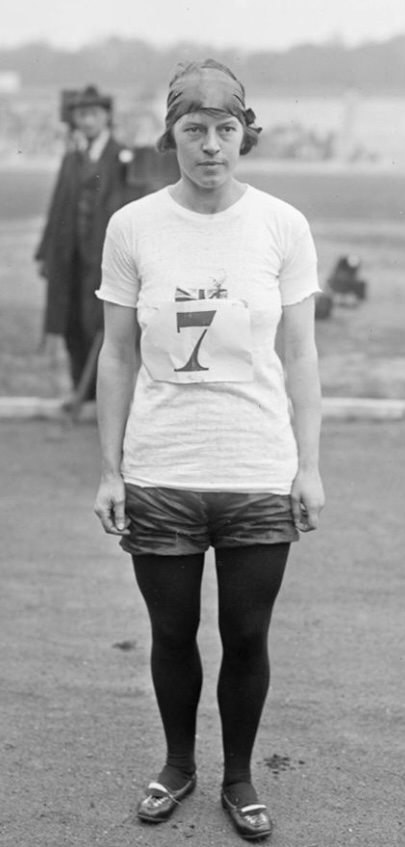
The 1923 WAAA Championship, the first British track and field championships for women, was held on 18 August at the Oxo Sport Grounds, in Bromley, London. The events: 100 yards, 220 yards, 440 yards, 880 yards, 660 yards relay, 120 yards hurdles, high jump, long jump, shot put, javelin, and track walk.

Mary Lines (pictured) won four events: 100 yards, 440 yards, 120 yards hurdles, and the long jump.

On 21 December 1927 aka “Slippery Wednesday” 1,600 people were hospitalised in the London area when they hurt themselves on icy streets.

The cold weather continued over Christmas with blizzards in south Wales, the Midlands and London.

The Train in the Snow – Claude Monet

For Authors

#1 for value with 565,000 readers, The Fussy Librarian has helped my books to reach #1 on 32 occasions.

A special offer from my publisher and the Fussy Librarian. https://authors.thefussylibrarian.com/?ref=goylake

Don’t forget to use the code goylake20 to claim your discount 🙂
Categories
1920s

1920s #4

In September 1920, the first Bentley cars were delivered to customers. Pictured, a Bentley EXP2 (Experimental nr. 2), the oldest surviving Bentley (📸 Wikipedia).

The 1921-22 season was the 30th for the Football League. Liverpool were champions while Bradford City and Manchester United were relegated. Nottingham Forest and Stoke took their place.

For this season the Third Division was divided into North and South sections increasing the number of clubs in the league from 66 to 86.

Graphic: Wikipedia

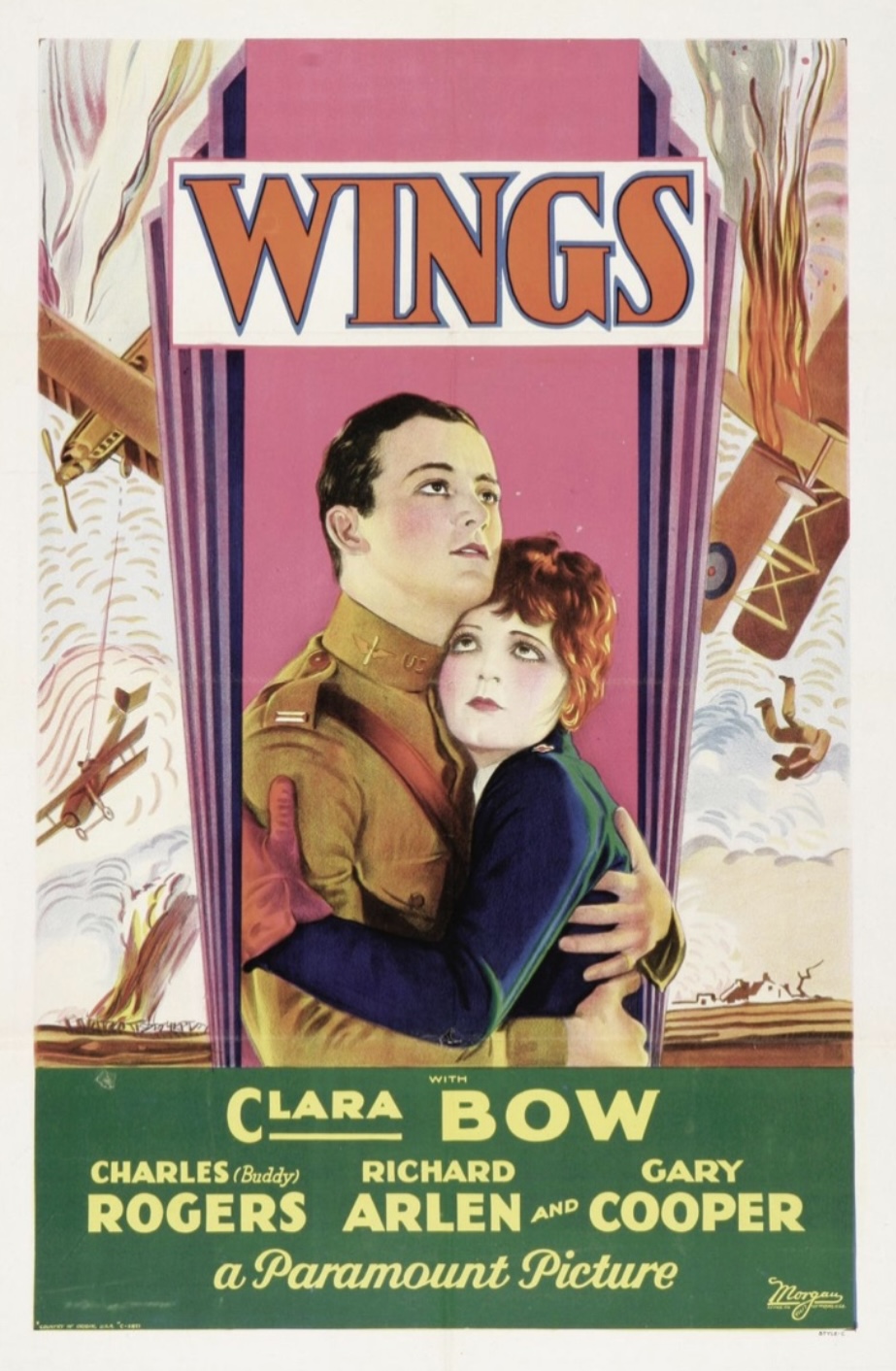
Wings, a First World War drama that dominated the movie world in 1927, opened at the Criterion Theater in New York City on August 12, 1927. Tickets cost $2, an unheard-of admission price. The standard rate was $0.25 a ticket.

Wings was a homage to First World War fighter pilots. As its star Clara Bow rightly observed, it was a buddy movie and she was only added to the cast because she was red hot at the box office. Clara’s appearance guaranteed that the movie would be a success. Furthermore, the quality of the film, and the amazing stunt flying, ensured that Wings won the first ever Academy Award for Best Picture.

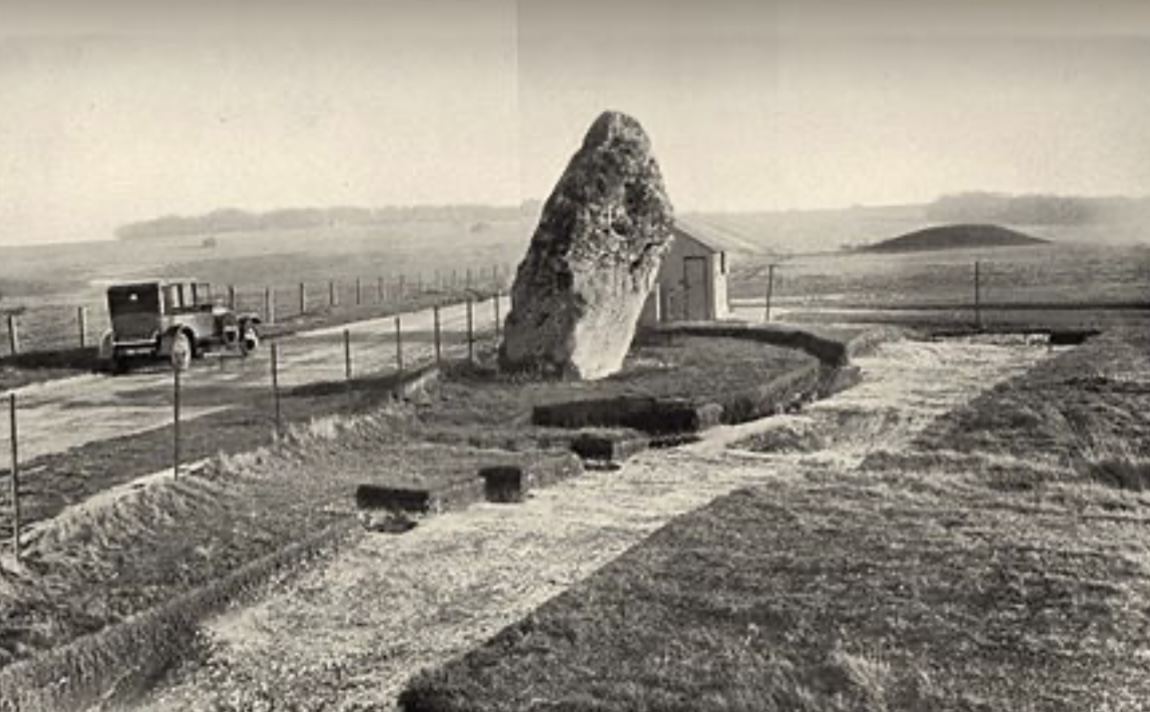
Between 1919 and 1926, Lieutenant-Colonel William Hawley (1851–1941) conducted pioneering excavations at Stonehenge. One of Hawley’s main achievements was to identify the Aubrey Holes (named after one of my ancestors, John Aubrey). Hawley also found cremated and uncremated human remains, which first indicated a funerary role for Stonehenge. His multiphase interpretation of the site was dismissed at the time, but in the 1950s the idea was revived. However, his idea that Stonehenge was a fortified settlement is still not accepted.

Excavations near the Heelstone (The Antiquaries Journal, 1925)

Motoring. Compulsory hand signals for all drivers were introduced on 10 October 1920.

Hand signals would remain a crucial part of motoring life until the 1970s, when the increased use of indicators on vehicles rendered them superfluous.

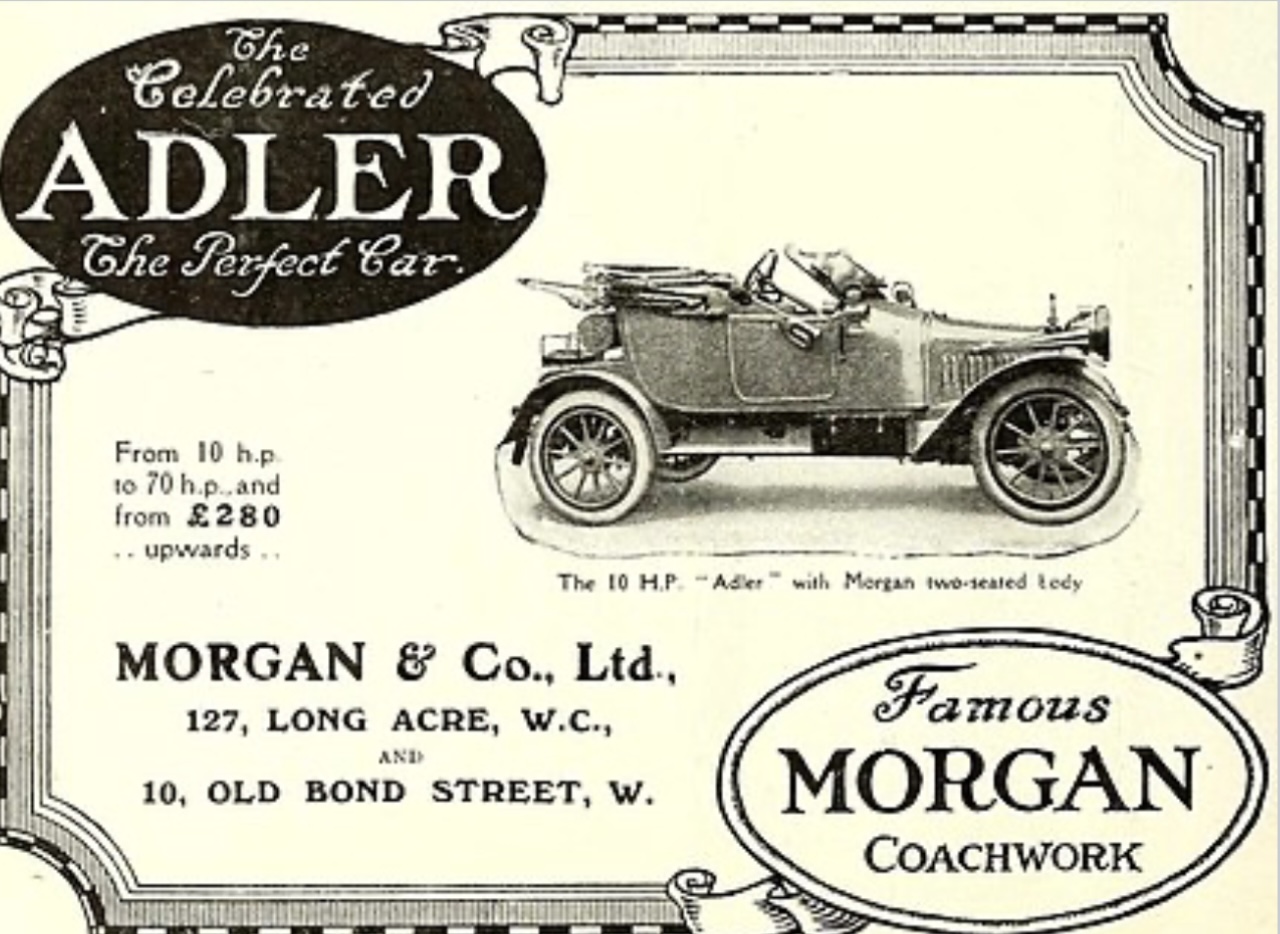
An advertisement for the Morgan Adler, “The Perfect Car”

In 1921, Swiss psychoanalyst Hermann Rorschach published Psychodiagnostik in which he proposed the inkblot test. 

In the Rorschach test, a subject’s perception of inkblots is recorded and analysed using psychological interpretation and complex algorithms. The test can shed light on a subject’s personality and emotional functioning, and is particularly helpful when subjects are reluctant to articulate their thoughts.

The first Rorschach card (I reckon this is Scooby Doo with his back to a mirror 😉)

More flapper slang from the 1920s

Sharpshooter – a good dancer and big spender

Spoon – kissing

Strike breaker – a woman who dates her friend’s boyfriend 

Tomato – a woman lacking intelligence

Umbrella – a man that any woman can borrow for an evening

Whangdoodle – jazz music

For Authors

#1 for value with 565,000 readers, The Fussy Librarian has helped my books to reach #1 on 32 occasions.

A special offer from my publisher and the Fussy Librarian. https://authors.thefussylibrarian.com/?ref=goylake

Don’t forget to use the code goylake20 to claim your discount 🙂
Categories
1920s

The 1920s #3

Introduced in 1922, the Austin Seven, the “Car for the Feminine Touch”.

Fashion

For women, the flapper look dominated. Clothes that restricted were cast aside in favour of short skirts and trousers, attire that offered greater comfort. Men too abandoned formal daily attire in favour of casual and athletic clothing. Indeed, the suits of today are still based on the basic designs of the late 1920s.

In fashion, the Roaring Twenties really kicked off in 1925. Jazz, and dances like the Charleston, influenced designs of female outerwear, and underwear. For the first time in centuries, women’s legs were seen in public with hemlines rising to the knee. 

Headbands were popular, until 1925, and jewellery remained in vogue throughout the decade, although the emphasis was not so much on dazzling expense, but more on design and style.

Actress Louise Brooks

Football

The 1923 FA Cup final was played between Bolton Wanderers and West Ham United on 28 April at the original Wembley Stadium in London. It was the first football match to be played at the stadium.

The official capacity was 125,000. However, a crowd estimated at 300,000 gained admittance. Consequently, the terraces overflowed and people were forced on to the pitch.

Mounted policemen, including one on a white horse (pictured), entered the scene. They cleared the pitch and, after a delay of 45 minutes, the match commenced. 

Bolton emerged as winners, 2 – 0, but the defining image of the day was the policeman on his white horse, ensuring that the game would be forever known as the “White Horse Final”.

More flapper slang from the 1920s

Noodle juice – tea
Nutcracker – a policeman’s truncheon
Oil can – an imposter
Out on parole – recently divorced
Potato – lacking Intelligence
Rock of Ages – a woman over thirty

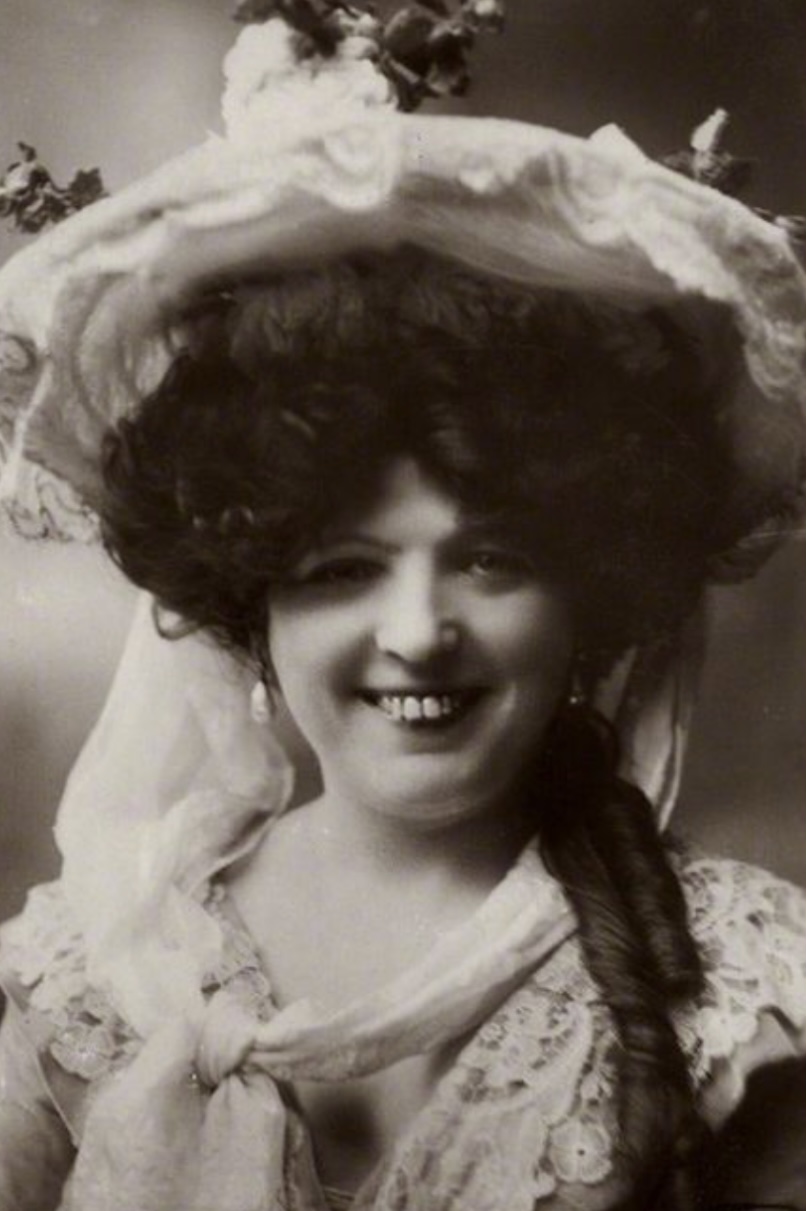
In April 1922, music hall star Marie Lloyd (pictured) collapsed in her dressing room after singing “The Cosmopolitan Girl” at the Gateshead Empire in Cardiff. Her doctor diagnosed exhaustion. After a period of rest, she returned to the stage in August, and reduced the running time of her act. 

On 12 August 1921, Marie Lloyd failed to show for an appearance at the London Palladium. Instead, she wrote her will. Marie Lloyd died two months later, on 7 October 1922. 

The Times wrote: “In her the public loses not only a vivid personality whose range and extremely broad humour as a character actress were extraordinary, but also one of the few remaining links with the old music-hall stage of the last century.”

In January 1920 the Marconi Company made occasional broadcasts, featuring music and speech, from Chelmsford, England. From 23 February to 6 March 1920 the company broadcast a series of thirty minute shows, repeated twice daily, from Chelmsford. These shows included live music performances.

A Marconi employee, 1906

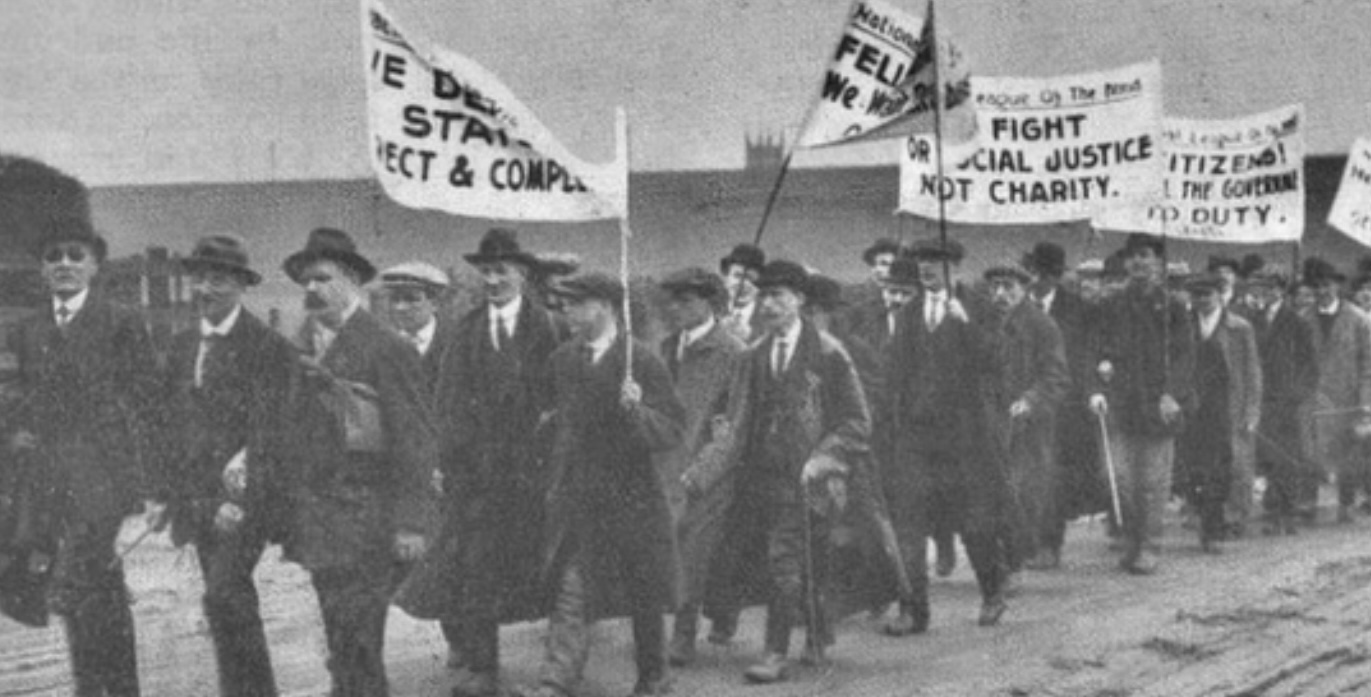
In 1920, 250 blind people marched from Newport, Manchester and Leeds to London. Organised by the National League of the Blind, the marchers assembled on 5 April 1920 and reached London on 25 April 1920, where a crowd of 10,000 supporters greeted them.

The NLB organised the march to protest against poor working conditions and poverty experienced by blind people. The leaders met Prime Minister David Lloyd George, who promised little, apart from to pay for the marchers’ rail tickets home.

However, a Blind Persons’ Act was introduced later in the year, the first disability-specific legislation in the world, which compelled local authorities to ensure the welfare of blind persons. 

The march of 1920 served as inspiration for the famous 1936 Jarrow March against unemployment, in which the NLB also participated.


Tula, my novel set in the 1920s

For Authors

#1 for value with 565,000 readers, The Fussy Librarian has helped my books to reach #1 on 32 occasions.

A special offer from my publisher and the Fussy Librarian. https://authors.thefussylibrarian.com/?ref=goylake

Don’t forget to use the code goylake20 to claim your discount 🙂