
The winter of 1962-63, aka the Big Freeze of 1963, was one of the coldest British winters on record. Temperatures plummeted. Lakes, rivers, and the sea at Herne Bay, Kent froze over.
Dating back to 1659, only the winters of 1683-84 and 1739-40 were colder than 1962-63. The winter of 1962–63 remains the coldest since at least 1895 in all meteorological districts of Britain.
The cold weather continued until 6 March, the first morning of the year without frost in Britain.

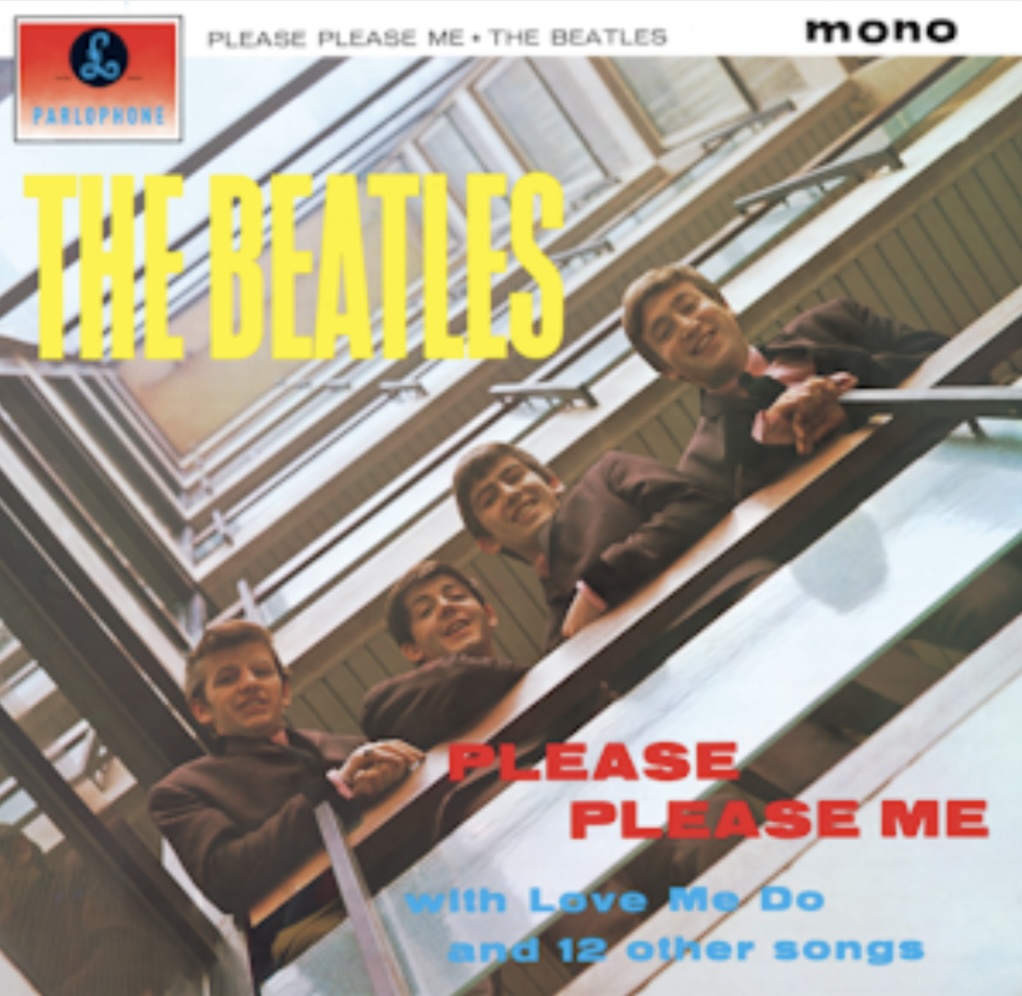
On 11 February 1963 the Beatles recorded their debut album Please Please Me in a single day at Abbey Road Studios, London. They released the album on 22 March. It reached number one on 11 May and remained in the top ten for over a year.
In 1963, Edward Craven-Walker produced the lava lamp (📸 Wikipedia). A reconnaissance pilot during the Second World War, Craven-Walker saw an egg timer in a pub. The device used two immiscible fluids, and he noted the potential for future development. In a shed, Craven-Walker experimented and adapted the original idea. One of his experiments involved a squash bottle and its shape defined the lava lamp.

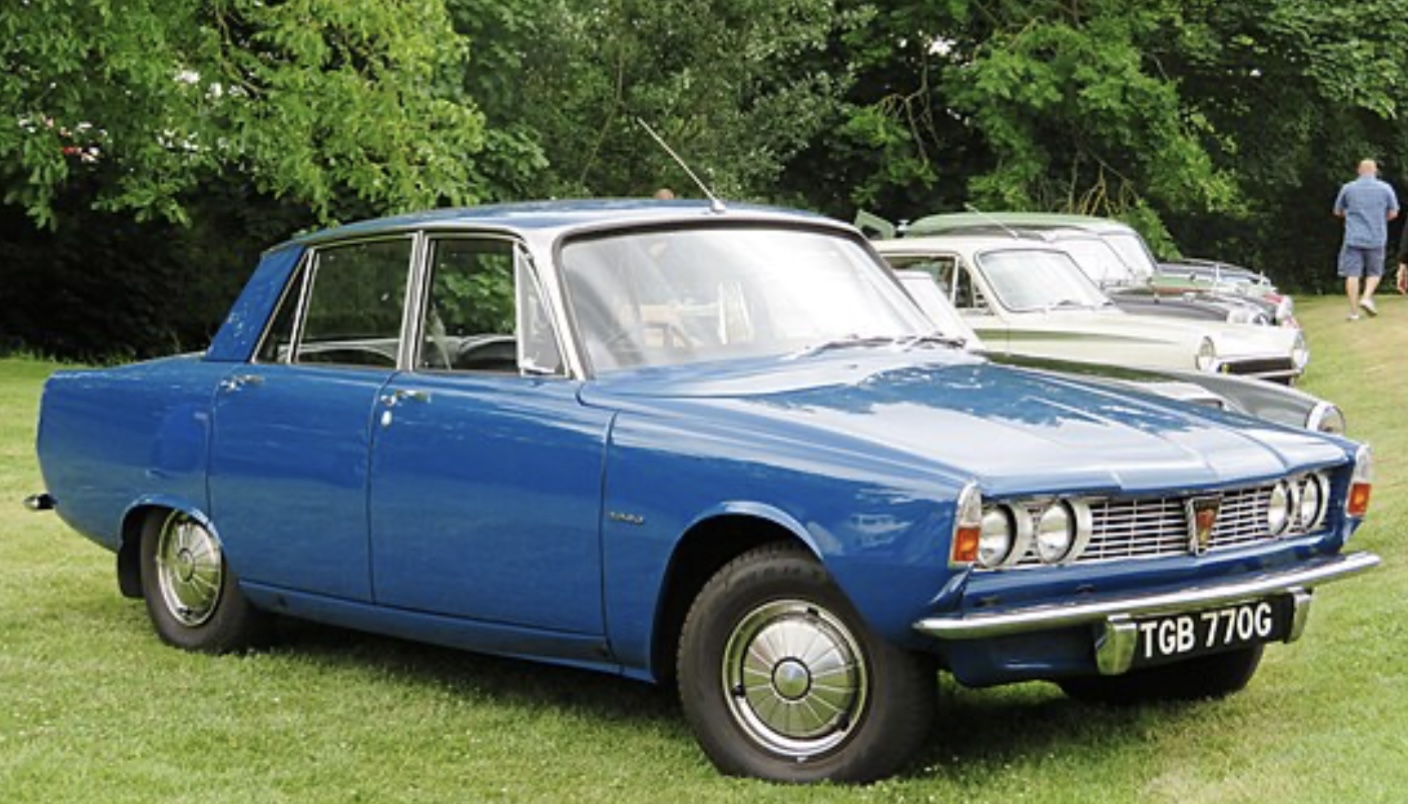
In 1963, the Rover P6 (📸 Wikipedia) became the first winner of the European Car of the Year award. Meanwhile, the motorway network in Britain continued to develop with the opening of the first section of the M4 in Berkshire, the M6 in Lancashire, and the M2 in Kent.
In 1963, Ice Station Zebra by Alistair MacLean was published. The novel became a film starring Rock Hudson, Patrick McGoohan and Ernest Borgnine.
Although MacLean did not write the screenplay for Ice Station Zebra, he did write screenplays in the 1960s and 1970s, often adapting those screenplays into novels. If you study the structure of these stories, the transition of MacLean’s style is obvious.

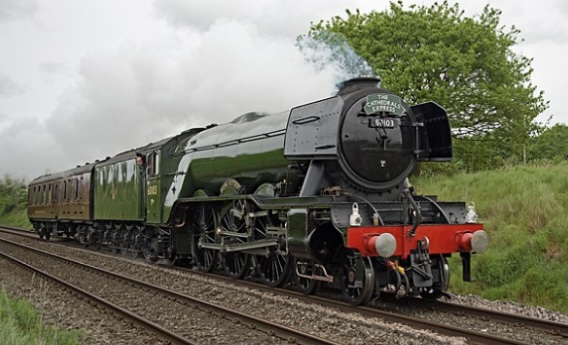
After covering 2.08 million miles, the Flying Scotsman, “the world’s most famous steam locomotive” retired from British Railways in 1963.
Built in 1923 for the London and North Eastern Railway (LNER), the Flying Scotsman was employed on long-distance express passenger trains on the East Coast Mainline. It became the flagship locomotive for the LNER, representing the company twice at the British Empire Exhibition.
On 30 November 1934 the locomotive became the first to reach the officially authenticated speed of 100 miles per hour and, on 8 August 1989 while on tour in Australia, it set the longest non-stop run of a steam locomotive, covering 422 miles.
Coming soon, my novel set in 1963

For Authors
#1 for value with 565,000 readers, The Fussy Librarian has helped my books to reach #1 on 32 occasions.
A special offer from my publisher and the Fussy Librarian. https://authors.thefussylibrarian.com/?ref=goylake
Don’t forget to use the code goylake20 to claim your discount 🙂

 Hannah Howe