
Introduced in 1922, the Austin Seven, the “Car for the Feminine Touch”.

Fashion
For women, the flapper look dominated. Clothes that restricted were cast aside in favour of short skirts and trousers, attire that offered greater comfort. Men too abandoned formal daily attire in favour of casual and athletic clothing. Indeed, the suits of today are still based on the basic designs of the late 1920s.
In fashion, the Roaring Twenties really kicked off in 1925. Jazz, and dances like the Charleston, influenced designs of female outerwear, and underwear. For the first time in centuries, women’s legs were seen in public with hemlines rising to the knee.
Headbands were popular, until 1925, and jewellery remained in vogue throughout the decade, although the emphasis was not so much on dazzling expense, but more on design and style.

Football
The 1923 FA Cup final was played between Bolton Wanderers and West Ham United on 28 April at the original Wembley Stadium in London. It was the first football match to be played at the stadium.
The official capacity was 125,000. However, a crowd estimated at 300,000 gained admittance. Consequently, the terraces overflowed and people were forced on to the pitch.
Mounted policemen, including one on a white horse (pictured), entered the scene. They cleared the pitch and, after a delay of 45 minutes, the match commenced.
Bolton emerged as winners, 2 – 0, but the defining image of the day was the policeman on his white horse, ensuring that the game would be forever known as the “White Horse Final”.

More flapper slang from the 1920s
Noodle juice – tea
Nutcracker – a policeman’s truncheon
Oil can – an imposter
Out on parole – recently divorced
Potato – lacking Intelligence
Rock of Ages – a woman over thirty

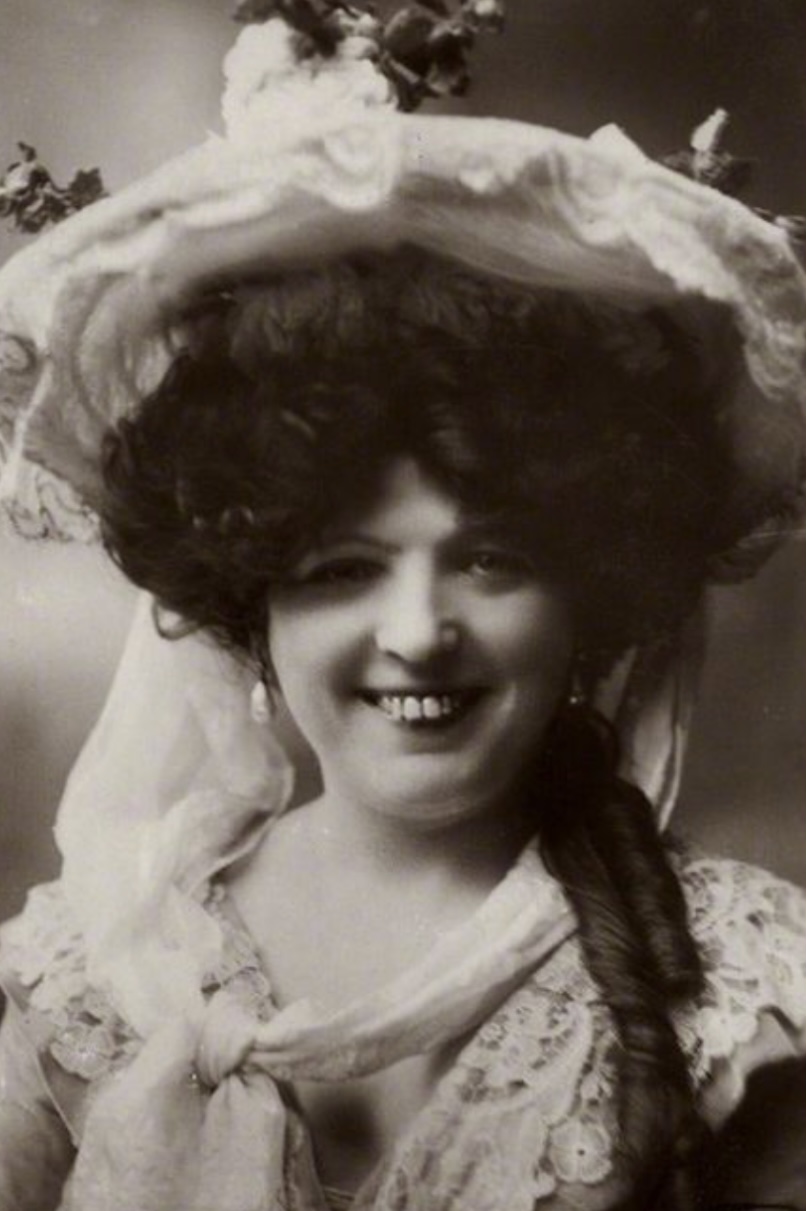
In April 1922, music hall star Marie Lloyd (pictured) collapsed in her dressing room after singing “The Cosmopolitan Girl” at the Gateshead Empire in Cardiff. Her doctor diagnosed exhaustion. After a period of rest, she returned to the stage in August, and reduced the running time of her act.
On 12 August 1921, Marie Lloyd failed to show for an appearance at the London Palladium. Instead, she wrote her will. Marie Lloyd died two months later, on 7 October 1922.
The Times wrote: “In her the public loses not only a vivid personality whose range and extremely broad humour as a character actress were extraordinary, but also one of the few remaining links with the old music-hall stage of the last century.”
In January 1920 the Marconi Company made occasional broadcasts, featuring music and speech, from Chelmsford, England. From 23 February to 6 March 1920 the company broadcast a series of thirty minute shows, repeated twice daily, from Chelmsford. These shows included live music performances.

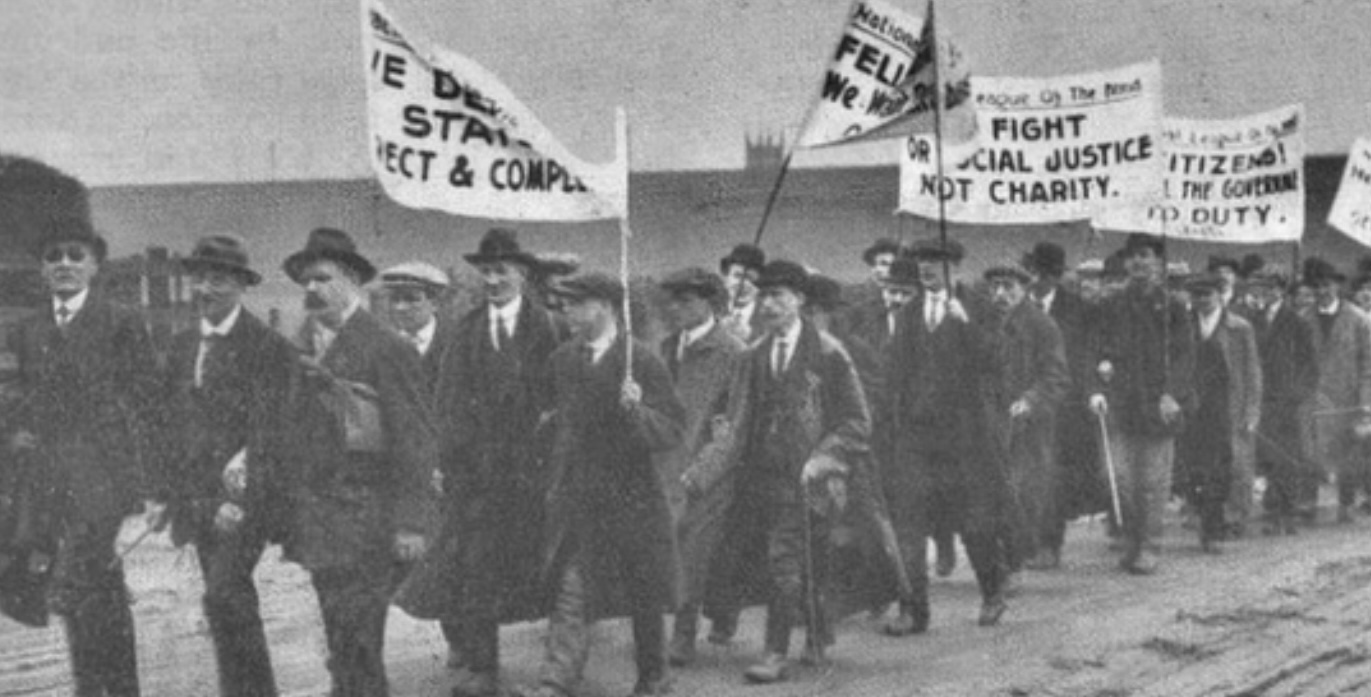
In 1920, 250 blind people marched from Newport, Manchester and Leeds to London. Organised by the National League of the Blind, the marchers assembled on 5 April 1920 and reached London on 25 April 1920, where a crowd of 10,000 supporters greeted them.
The NLB organised the march to protest against poor working conditions and poverty experienced by blind people. The leaders met Prime Minister David Lloyd George, who promised little, apart from to pay for the marchers’ rail tickets home.
However, a Blind Persons’ Act was introduced later in the year, the first disability-specific legislation in the world, which compelled local authorities to ensure the welfare of blind persons.
The march of 1920 served as inspiration for the famous 1936 Jarrow March against unemployment, in which the NLB also participated.
Tula, my novel set in the 1920s
For Authors
#1 for value with 565,000 readers, The Fussy Librarian has helped my books to reach #1 on 32 occasions.
A special offer from my publisher and the Fussy Librarian. https://authors.thefussylibrarian.com/?ref=goylake
Don’t forget to use the code goylake20 to claim your discount 🙂

 Hannah Howe